






Xanax earns its controlled substance status because it carries measurable risks of abuse, dependence, and withdrawal that federal regulators determined require strict legal oversight. The DEA classifies alprazolam as a Schedule IV substance under the Controlled Substances Act, balancing its FDA-approved therapeutic value for anxiety and panic disorders against documented misuse patterns. You’ll need a valid prescription from a DEA-registered provider to legally obtain it, and the legal and medical details go considerably deeper than most people realize.
What Makes Xanax a Controlled Substance?

Xanax earns its controlled substance classification through a combination of high abuse potential, rapid dependence development, and significant public health risks. When you understand the xanax drug classification, it becomes clear why regulators act cautiously. The Controlled Substances Act places alprazolam under Schedule IV, reflecting both its legitimate medical value and its documented misuse patterns. Over 16 million annual prescriptions highlight how widespread, and vulnerable, its distribution is. Is xanax a controlled drug? Absolutely, because it produces physical dependence quickly, builds tolerance rapidly, and carries withdrawal risks including seizures. Why is xanax a controlled substance? Because its CNS depressant properties, combined with a short half-life and fast onset, create conditions that accelerate addiction. Regulatory oversight directly addresses these measurable risks. The FDA has sanctioned Xanax specifically for short-term treatment of generalized anxiety and panic disorder, confirming that its medical applications are intentionally limited in scope to reduce overexposure.
How the Federal Government Officially Classifies Xanax
When you look at how the federal government classifies Xanax, you’ll find it listed as a Schedule IV controlled substance under the Controlled Substances Act (CSA) of 1970. The DEA enforces this classification, which places alprazolam alongside other benzodiazepines like Valium and Ativan based on its accepted medical use, moderate dependence risk, and lower abuse potential relative to Schedules I through III. The CSA framework organizes controlled substances into five schedules, and Xanax’s Schedule IV placement reflects a regulatory balance between its legitimate therapeutic value and its documented risks of physical and psychological dependence. The FDA requires a black box warning on all benzodiazepines, including Xanax, to alert patients and providers to these serious risks.
Schedule IV Federal Classification
Under the Controlled Substances Act (21 U.S.C. § 812), the DEA classifies Xanax (alprazolam) as a Schedule IV substance, meaning it has a low potential for abuse relative to Schedule III drugs and an accepted medical use under supervision. This placement positions it above Schedule V but below Schedule III, reflecting a moderate regulatory tier among controlled medications.
As a Schedule IV drug, alprazolam carries prescription restrictions: validity doesn’t exceed six months, and you can’t receive more than five refills. The DEA’s Orange Book formally lists it as a Schedule IV N substance, while FDA labeling confirms this status.
Although Schedule IV denotes lower abuse potential, misuse remains possible, particularly when combined with opioids, which drastically increases overdose risk. Benefits outweigh risks only under proper physician supervision.
DEA Regulatory Oversight Role
Three federal agencies shape how Xanax reaches patients, but the Drug Enforcement Administration holds the most direct regulatory authority. The DEA evaluates three core factors when scheduling substances: accepted medical uses, abuse likelihood, and dependence risk. Alprazolam’s Schedule IV classification reflects its recognized therapeutic value alongside its lower abuse potential compared to Schedules I through III.
The DEA’s authority extends across your entire treatment experience. It controls alprazolam production, governs possession limits, and regulates distribution channels nationwide. Every prescription you receive must come from a DEA-registered provider who documents a legitimate medical purpose. Federal guidelines typically restrict prescription quantities to six-month supplies, though regulations do permit multiple prescriptions covering up to 90-day supplies under conditions established in December 2007. These controls establish the legal framework your pharmacist and prescriber must follow.
Controlled Substances Act Framework
The Controlled Substances Act (CSA), enacted by Congress in 1970, establishes the federal framework that officially classifies Xanax as a regulated medication. It consolidates federal drug regulations into five schedules based on medical value, abuse potential, and dependence risk.
| Schedule | Abuse Potential | Medical Use |
|---|---|---|
| I | Highest | None |
| II | High | Yes |
| III | Moderate | Yes |
| IV | Low | Yes |
| V | Lowest | Yes |
Xanax (alprazolam) falls under Schedule IV, indicating accepted medical use with lower dependence risk compared to higher schedules. You’ll find other benzodiazepines like Valium and Ativan sharing this classification. Despite its lower schedule, the CSA still mandates strict prescribing guidelines, limiting prescriptions to six months with five allowable refills.
Why Alprazolam Is Listed as Schedule IV, Not Schedule I
When you compare alprazolam to Schedule I substances like heroin or LSD, the distinction becomes clear: Schedule I drugs have no accepted medical use, while alprazolam holds FDA approval for treating anxiety and panic disorders. The DEA places it in Schedule IV because you’re looking at a drug with legitimate therapeutic value and a lower, though still real, risk of abuse relative to higher schedules. You should understand that this classification doesn’t minimize its dependence potential; rather, it reflects a regulatory balance between clinical utility and controlled access.
Medical Use Acknowledged
Xanax’s Schedule IV classification reflects a deliberate regulatory distinction: it carries recognized medical value that separates it from Schedule I substances, which have no accepted therapeutic use. The FDA has approved alprazolam for treating both generalized anxiety disorder and panic disorder, establishing its legitimate clinical role. You’ll find it prescribed as a fast-acting benzodiazepine that calms the central nervous system effectively. Physicians also use it off-label for insomnia, seizure disorders, and depression. This documented therapeutic utility is precisely what disqualifies alprazolam from Schedule I placement. Schedule I substances, by definition, lack accepted medical use entirely. Alprazolam’s approval status demonstrates that regulatory agencies have formally evaluated its benefits and determined they outweigh its risks when prescribed and monitored appropriately by licensed healthcare providers.
Lower Abuse Classification
Although alprazolam carries real risks, the DEA classifies it as Schedule IV rather than Schedule I because its abuse potential is considerably lower than that of drugs in higher schedules. Schedule I substances like heroin have no accepted medical use and carry extreme abuse potential. Schedule II drugs like oxycodone and fentanyl present severe dependence risks. Alprazolam’s placement in Schedule IV reflects its recognized therapeutic value alongside a comparatively milder misuse profile.
That said, Schedule IV doesn’t mean risk-free. You’re still subject to strict prescription limits, six months’ validity and five refills maximum. The FDA has issued black box warnings about combining benzodiazepines with opioids or alcohol, which dramatically increases overdose risk. The classification acknowledges medical utility while enforcing regulatory oversight proportional to alprazolam’s documented, though lower-tier, abuse potential.
The Medical Reasons Xanax Requires a Prescription
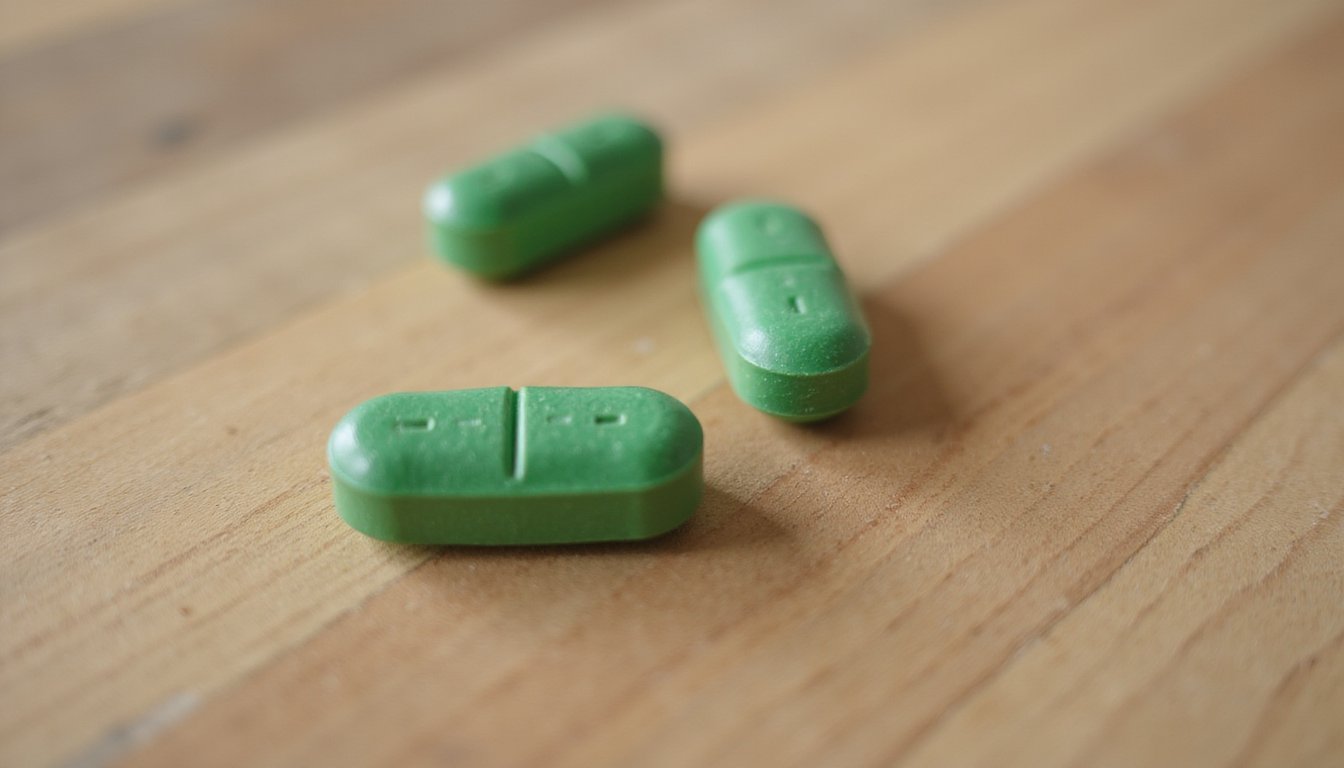
Xanax requires a prescription because its clinical effects on the brain carry significant medical risks that demand professional oversight. Before prescribing, your provider screens for contraindications including glaucoma, kidney disease, liver disease, asthma, COPD, and obstructive sleep apnea. A full disclosure of your health history, current medications, and substance use history is mandatory.
Xanax interacts dangerously with alcohol, opioids, and other central nervous system depressants. If you’re on Suboxone, your clinician must obtain an approval letter before proceeding. Providers also assess your mental health history, as Xanax is contraindicated in patients with suicidal ideation or active substance use disorders.
Because of these layered risks, only licensed providers, psychiatrists, primary care physicians, or nurse practitioners, can evaluate whether Xanax’s benefits outweigh its risks for your specific condition.
The Dependence and Addiction Risks Xanax Users Actually Face
Four in ten people who use benzodiazepines daily for six weeks or longer will develop physical dependence, a rate that reflects how aggressively Xanax reshapes brain chemistry. Its 6, 12 hour half-life accelerates tolerance formation, pushing you toward higher doses faster than most prescription medications. Why is Xanax addictive? The rapid onset of its effects can create a cycle of reinforcement, leading users to seek out the drug more frequently.
Four in ten daily benzodiazepine users develop physical dependence within six weeks, a testament to how aggressively Xanax reshapes brain chemistry.
The addiction risks aren’t abstract. Research confirms three measurable patterns:
- Approximately 20% of benzodiazepine users misuse their medication, even when initially prescribed legitimately
- Young adults aged 18, 25 misuse benzodiazepines at 5.2%, more than double the rate of adults aged 50, 64
- Polydrug combinations involving opioids or alcohol account for roughly 85% of benzodiazepine overdose deaths
Dependence can develop even under physician supervision. That reality, not recreational misuse alone, explains why Xanax carries controlled substance status. Xanax misuse signs can include increased tolerance, withdrawal symptoms, and compulsive use despite negative consequences. Recognizing these signs early can aid in seeking help before dependence escalates. It is crucial for individuals and their loved ones to stay vigilant and informed about these warning indicators.
How Xanax Works as a Benzodiazepine: Brain and Body Effects

Understanding how Xanax works at the neurochemical level explains why its therapeutic effects arrive quickly, and why dependence follows close behind. When you take Xanax, it binds to the benzodiazepine site on GABA_A receptors, enhancing GABA’s affinity and increasing chloride ion channel opening frequency. This hyperpolarizes neurons, reducing excitability throughout your central nervous system.
You’ll notice calming effects within 15, 30 minutes. Peak therapeutic benefit hits at 1, 2 hours, with sustained sedation and anxiety relief extending through hour four. By hours 6, 12, effects diminish markedly, and rebound anxiety can emerge.
Physically, Xanax reduces muscle tension, impairs motor coordination, slows reflexes, and decreases respiratory rate. With prolonged use, your brain compensates through receptor down-regulation and excitatory pathway up-regulation, establishing the neurochemical foundation for dependence. Xanax addiction and dependence can manifest through various symptoms, including cravings and withdrawal effects when not using the drug. Individuals experiencing this condition often find it challenging to function without Xanax, leading to a cycle of increased use.
How Texas State Law Adds Another Layer of Xanax Regulation
Federal scheduling sets the floor for Xanax regulation, but Texas builds substantially higher walls on top of it. Under the Texas Controlled Substances Act, alprazolam falls under Penalty Group 3, not the federal Schedule IV framework, triggering stricter state-level consequences.
Texas enforces three critical distinctions you need to understand:
- Weight-based felony thresholds, Possession under 28 grams is a misdemeanor, but amounts above that escalate to felony charges.
- Prescription container requirements, Carrying Xanax outside its original container can trigger charges even if you hold a valid prescription.
- Prescriber registration mandates, Only DEA-registered practitioners can legally prescribe or dispense alprazolam statewide.
Texas doesn’t simply mirror federal rules, it layers additional enforcement mechanisms that meaningfully increase your legal exposure.
Penalties for Possessing Xanax Without a Prescription in Texas
Possessing Xanax without a valid prescription in Texas carries serious criminal consequences that scale sharply with quantity. Under the Texas Controlled Substances Act, Xanax falls under Penalty Group 3, meaning unauthorized possession is treated as a criminal offense.
| Amount | Charge & Penalty |
|---|---|
| Under 28g | Class A Misdemeanor: up to 1 year, $4,000 fine |
| 28, 200g | Third-Degree Felony: 2, 10 years, $10,000 fine |
| 400g+ | First-Degree Felony: 5, 99 years, $50,000 fine |
Your sentence can intensify further if you have prior convictions or if intent to distribute is established. Even small quantities trigger jail-eligible charges. A felony conviction also creates a permanent record, affecting employment and housing long after you’ve served your sentence.
Call Now and Get the Support You Deserve
Prescription drug misuse builds quietly, and by the time the signs are clear, it can feel like there is no way out. At NJ Addiction Hotline, we connect you with the right treatment, including specialized Benzo Addiction Treatment designed to help you heal and move forward. Call (609) 293-5961 now because you deserve real help and genuine care.
Frequently Asked Questions
Can a Doctor Lose Their License for Overprescribing Xanax to Patients?
Yes, a doctor can lose their license for overprescribing Xanax. Medical boards can impose penalties ranging from a reprimand to full revocation. For example, Connecticut’s Medical Examining Board revoked Dr. Gerson Sternstein’s license in 2011 for recklessly overmedicating patients with Xanax. Prescription Drug Monitoring Programs actively track prescribing patterns, flagging outliers for investigation. However, enforcement remains inconsistent, only three high-prescribing doctors faced disciplinary action despite widespread overprescribing patterns identified on state lists.
Does Xanax Show up on Standard Workplace or Military Drug Tests?
Yes, Xanax shows up on standard workplace and military drug tests. Most 10-panel screenings include a benzodiazepine panel that’ll detect alprazolam. Urine tests catch it within 1, 7 days, while hair tests extend detection up to 90 days. If you hold a valid prescription, you’ll need to disclose it to the Medical Review Officer with documentation. Military and safety-sensitive roles apply stricter benzodiazepine screening due to sedative effects on performance.
Are There Any Legal Alternatives to Xanax That Are Not Controlled?
Yes, you have several legal, non-controlled alternatives to Xanax. Your doctor can prescribe hydroxyzine, buspirone, SSRIs like sertraline, SNRIs like venlafaxine, or propranolol for performance anxiety. Over-the-counter options include diphenhydramine and supplements like L-theanine, ashwagandha, and magnesium. You’ll also find strong clinical evidence supporting CBT, mindfulness meditation, and regular exercise as effective non-pharmacological interventions. Always consult your healthcare provider before starting any new treatment regimen.
Can Xanax Prescriptions Be Transferred Between Pharmacies in Different States?
Yes, you can transfer your Xanax prescription between pharmacies in different states, but it’s subject to strict limitations. As a Schedule IV controlled substance, it’s eligible for a one-time electronic transfer, provided your destination state’s laws permit it. You’ll need two licensed pharmacists to facilitate the communication. Some states prohibit cross-state controlled substance transfers entirely, so you should contact your destination pharmacy at least three days in advance to confirm eligibility.
How Long Does Xanax Remain Detectable in Urine After Last Use?
After your last Xanax dose, it’s detectable in urine for 1, 7 days, depending on your usage pattern. If you’ve used it occasionally, expect a 1, 3 day window. With regular prescribed use, detection extends to 3, 7 days. If you’re a chronic or heavy user, it can remain detectable for up to 6 weeks due to accumulation. Your age, body fat, liver function, and dosage also influence your specific detection window.