

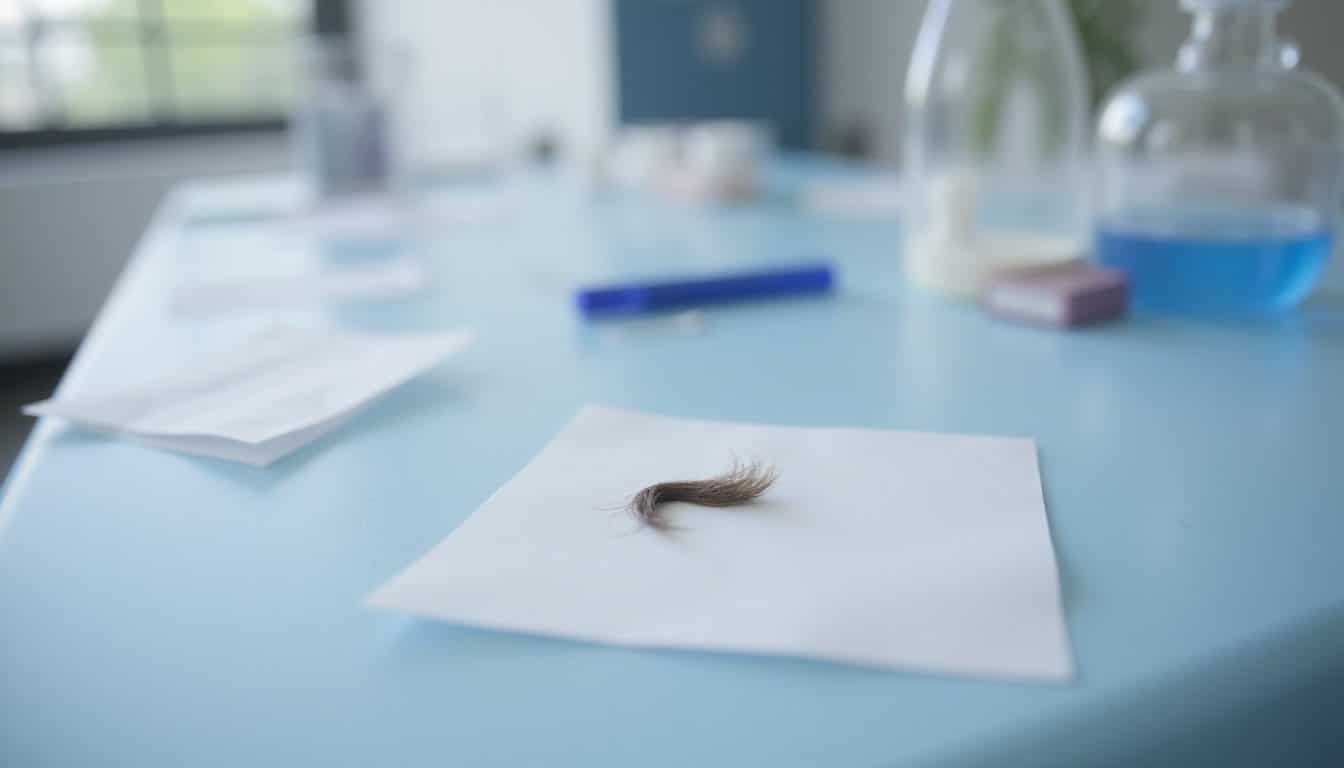
Cocaine typically clears from your saliva within 1 to 2 days of last use. Most mouth swab tests can detect it up to 48 hours post-use, though the Cleveland Clinic cites a narrower window of around 36 hours. Your metabolism, frequency of use, and saliva pH all influence how quickly it disappears. Heavy, chronic use can push detection closer to 3 to 4 days. The factors shaping your personal detection window go deeper than you might expect. Cocaine blood detection time can vary significantly based on several personal factors. Understanding these variables is essential for anyone subjected to drug testing.
How Long Does Cocaine Stay in Saliva?
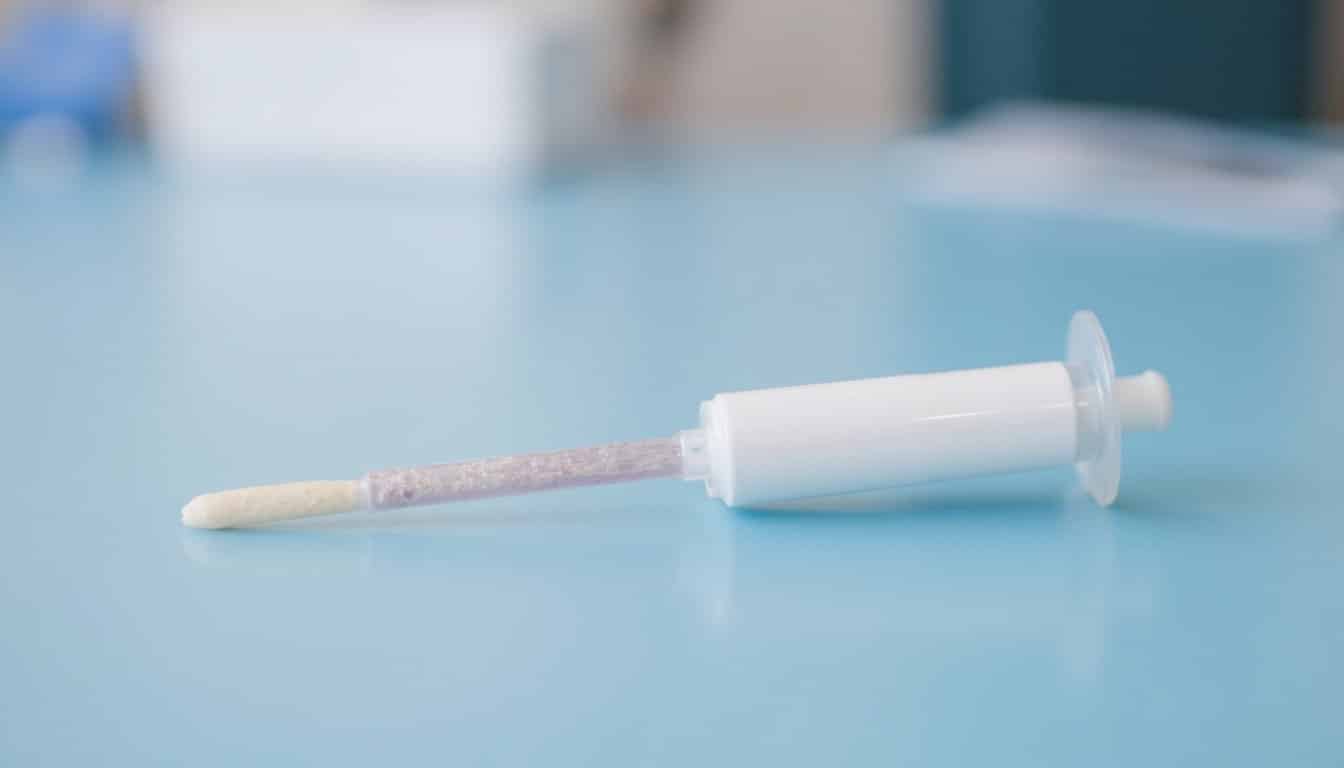
Cocaine typically remains detectable in saliva for 1 to 2 days, though detection windows vary depending on usage patterns and individual metabolism. For occasional users, the cocaine saliva test detection time typically falls within the 1, 2 day range, while heavy use can extend detection to 3, 4 days. Sources like the Cleveland Clinic cite up to 36 hours, while others report up to 48 hours. Cocaine detection in your system can also be influenced by factors such as hydration levels and body mass. It is important to note that certain medical conditions might alter the detection time as well.
During cocaine oral fluid testing, the drug and its metabolites enter saliva rapidly, with peak detection occurring within 5, 10 minutes of use. When you’re collecting a cocaine detection saliva sample, labs may screen for both the parent compound and metabolites, as cocaine metabolizes quickly but residual byproducts remain detectable longer. Usage frequency remains the strongest predictor of detection duration. Oral fluid drug tests can detect cocaine by analyzing a saliva sample collected using a cotton swab from the inside of the cheeks and gums.
What Makes Cocaine Clear Faster or Slower in Saliva?
Your body’s metabolic rate plays a central role in determining how quickly cocaine clears from your saliva, as individual differences in age, health, and body chemistry directly affect how fast drug metabolites move through your oral fluid. How often you use cocaine matters enormously too, since chronic users can test positive for up to 10 days while occasional users typically clear the drug within 1, 2 days. What you eat and drink also influences detection windows, as acidic or alkaline foods alter your saliva’s pH, which affects cocaine’s stability and measurability in oral fluid samples. The method of use also plays a significant role, as smoking or injecting cocaine can accelerate how quickly it is absorbed and subsequently secreted into saliva compared to other forms of consumption.
Metabolism and Individual Differences
How quickly cocaine clears from your saliva depends on several interacting biological and physiological variables. Your metabolism rate directly influences the cocaine saliva detection window, as faster metabolizers eliminate the drug and its byproducts more rapidly. In a saliva drug screen cocaine, half-lives range from 1.1, 3.8 hours for cocaine itself, while cocaine metabolite saliva detection extends longer, benzoylecgonine persists 3.4, 13.8 hours and ecgonine methyl ester 2.4, 15.5 hours. During a cocaine oral toxicology test, individual enzyme activity, hepatic function, and hydration status affect clearance rates considerably. Your saliva pH also modulates drug partitioning; elevated pH accelerates apparent clearance. Nonstimulated saliva contains substantially more drug than stimulated saliva, meaning collection conditions at the time of testing can meaningfully affect whether cocaine or its metabolites are detectable. Dose administered further complicates the saliva drug test detection cocaine timeline, as higher doses increase metabolite persistence and extend the overall detection window.
Usage Frequency Matters
Whether cocaine clears from your saliva in hours or lingers for days boils down primarily to how often you use it. Occasional use typically produces a cocaine saliva drug screen duration of 24, 48 hours. Your metabolic enzymes process the drug efficiently when exposure is infrequent, clearing detectable levels relatively quickly.
Chronic heavy use changes this considerably. Frequent consumption saturates metabolic pathways, slowing clearance and extending cocaine substance detection saliva windows to 5, 10 days post-abstinence. Enzyme saturation means benzoylecgonine and parent cocaine accumulate faster than your body eliminates them.
Cumulative dosing compounds this effect. Heavy users often test positive for a minimum of 2, 3 days, while chronic addicts can retain detectable concentrations for up to 10 days, far exceeding occasional users’ clearance timelines.
Food and Drink Effects
What you eat and drink before or after cocaine use directly affects how long the drug remains detectable in your saliva. Food particles dilute and mask cocaine metabolites in oral fluid, while post-use meals physically remove drug traces from your mouth. Acidic beverages like citrus juices may accelerate metabolite breakdown, further reducing detectability within hours.
For oral fluid drug testing cocaine protocols, you’ll need to abstain from eating, drinking, and smoking for at least 10 to 20 minutes before sample collection. This standardizes results and prevents false negatives caused by residue interference. Brushing your teeth and rinsing post-use also clears surface cocaine residues from your gums and tongue, shortening the overall detection window considerably.
Does Light or Heavy Use Change How Long Cocaine Shows Up?
If you use cocaine only occasionally, you can expect it to clear from your saliva within 24 to 48 hours after a single use. Heavy or chronic use extends that window to 2 to 3 days, as repeated dosing allows cocaine and its metabolites to accumulate in oral fluids. Your frequency of use directly determines how long the drug remains detectable, with light patterns clearing faster and heavy patterns pushing detection closer to the 72-hour mark.
Light Use Detection Window
The amount of cocaine you use directly influences how long it stays detectable in saliva. For light use, cocaine oral fluid analysis consistently shows a narrow detection window. Mouth swab drug test cocaine results reflect rapid metabolism tied to cocaine’s approximately one-hour half-life.
Key timeframes for cocaine saliva testing results with light use:
- Earliest detection: Drug screening saliva cocaine begins within minutes of use as the drug enters oral fluids through the bloodstream.
- Standard window: How long does cocaine stay in saliva averages 24, 48 hours for low-dose use.
- Maximum threshold: Cocaine mouth swab timeline peaks at 36, 48 hours before clearance.
Workplace saliva drug test cocaine protocols and roadside drug test cocaine saliva screenings both rely on this compressed cocaine drug detection oral fluids window for light users.
Heavy Use Extended Timeline
While light use clears cocaine from saliva within 24, 48 hours, heavy or chronic use substantially extends that window. When you use cocaine regularly, metabolites like benzoylecgonine accumulate in body tissues faster than your system can eliminate them. This accumulation, not single-dose clearance, drives extended detection times of up to 3 days.
| Use Pattern | Saliva Detection Window | Primary Factor |
|---|---|---|
| Single/Occasional | 1, 2 days | Single-dose clearance |
| Regular Weekly | 2, 3 days | Partial accumulation |
| Heavy/Chronic Daily | Up to 3 days | Metabolite buildup |
Your metabolism rate, hydration levels, and overall health further influence how quickly your body processes cocaine. Chronic users’ physiological adaptations slow standard clearance rates, pushing detection toward the upper range that test manufacturers and the Cleveland Clinic both recognize.
Frequency Affects Clearance Time
Frequency of use directly shapes how long cocaine stays detectable in your saliva. Your consumption pattern determines clearance rates more than almost any other variable.
Here’s how detection windows shift based on usage frequency:
- Single or occasional use: Cocaine remains detectable for 24, 48 hours after use
- Light use: Detection extends to 2, 4 days in oral fluid testing
- Regular or heavy use: Weekly users can test positive for 5, 7 days or longer
Repeated dosing causes benzoylecgonine (BZE), cocaine’s primary metabolite, to accumulate in body tissues, dramatically extending detection periods. Controlled studies show that repeated doses totaling 1,250, 2,000 mg prolonged detection far beyond single-dose timelines. Single-dose studies consistently underestimate how long saliva tests remain useful in real-world abuse scenarios.
What Does a Mouth Swab Test Look For When Screening for Cocaine?
A mouth swab test screens for cocaine and its metabolites, the breakdown compounds produced as your body processes the drug, by analyzing oral fluid collected from the inside of the cheek or under the tongue. The test uses immunoassay-based screening to detect both the parent drug and its metabolites in your saliva. If a specimen tests positive, confirmatory testing via mass spectrometry follows to verify the result.
Beyond cocaine, these multi-panel tests simultaneously identify amphetamines, methamphetamines, opiates, opioids, cannabis, alcohol, benzodiazepines, and barbiturates. The acidic nature of saliva allows basic drugs to accumulate at higher concentrations, which supports more reliable detection. Because the collection process is supervised, tampering is nearly impossible, contributing to the test’s reported accuracy of nearly 99% when properly administered.
How Does a Saliva Test Stack Up Against Urine, Blood, and Hair Tests?
Each testing method comes with distinct detection windows that reflect how your body processes and eliminates cocaine. Saliva detects recent use within 24, 48 hours, making it ideal for immediate screening. Urine extends that window to 3, 4 days for casual users and up to two weeks for heavy users. Blood offers forensic precision but narrows to 12, 48 hours. Hair provides the longest history, capturing chronic use up to 90 days. Cocaine detection in hair follicle tests is particularly useful for identifying long-term substance use. This method can reveal patterns of use that might not be apparent through other testing methods, making it a vital tool in various contexts, including legal and employment screenings.
Here’s how the methods compare:
- Saliva, 24, 48 hours; best for identifying recent or same-day use
- Urine, 2, 4 days; standard for workplace and clinical screening
- Hair, Up to 90 days; most effective for detecting long-term patterns
Your testing context determines which method delivers the most actionable results.
When Is Cocaine Most Detectable in Saliva?
Knowing which method catches cocaine use matters less if you don’t understand when each test performs at its peak. Saliva testing detects cocaine most effectively within the first 24, 48 hours after use. Cocaine metabolites reach peak concentration in oral fluid within just 5, 10 minutes of ingestion, making immediate testing highly accurate.
During the first 24 hours, your test results carry the highest positivity rates. Detection sensitivity remains strong through the second day before declining sharply. Benzoylecgonine, cocaine’s primary metabolite, sustains detectability throughout this window.
For occasional users, reliability drops drastically after 48 hours. For heavy or chronic users, detectability can extend 3, 10 days. Regardless of use pattern, the initial hours following ingestion represent the ideal window for accurate oral fluid detection.
What Can Shorten Your Cocaine Detection Window?
Several biological and behavioral factors can meaningfully compress the window during which cocaine remains detectable in your saliva.
Your metabolic rate, hydration status, and usage patterns all directly influence elimination speed. Specifically, three key factors can shorten detection:
- High fluid intake dilutes oral fluid concentrations, reducing the duration cocaine metabolites remain detectable in saliva samples.
- Infrequent, low-dose use produces minimal metabolite accumulation, allowing your body to clear compounds within 24, 48 hours.
- Strong liver and kidney function accelerates metabolite breakdown, shortening the overall elimination timeline.
Younger individuals with efficient metabolisms and healthy organ function typically clear cocaine faster than older or chronically ill populations. Body mass and saliva production rates further modulate how quickly oral fluid concentrations drop below detectable thresholds.
How Accurate Are Cocaine Saliva Tests?
Understanding how quickly your body clears cocaine shapes how you interpret a negative result, but the reliability of the test itself matters just as much. Modern saliva screening kits achieve nearly 99% overall accuracy, though cocaine-specific sensitivity ranges from 67, 90% depending on the device and cutoff threshold used.
| Test Type | Sensitivity | Specificity |
|---|---|---|
| On-site oral fluid | 67% | >80% |
| Rapiscan (30 ng/mL) | ~90% | ~90% |
| Lab-confirmed saliva | 99% overall | High |
Compared to urine, saliva detects fewer positives, one study recorded 1 saliva positive versus 9 urine positives from 12 confirmed cases. However, saliva’s key advantage is tamper resistance, making your result harder to manipulate.
Can You Expect Different Results From Different Mouth Swab Test Brands?
Not all mouth swab test brands deliver identical results, and the differences go beyond branding. Regulatory approvals, panel configurations, and detection windows differ markedly across manufacturers, which directly affects what you observe and when.
Key differences to ponder:
- Approval status, 12panelnow holds CLIA and FDA approvals, while Identify Diagnostics carries FDA 510(K) clearance. Rapid Detect and NarcoCheck lack documented regulatory certifications.
- Detection windows, NarcoCheck reports a 4, 48 hour window depending on the drug, while 12panelnow and DrugTestingSupplies emphasize rapid results without specifying detection ranges.
- Panel coverage, Test Kits USA screens 5 panels including COC, whereas 12panelnow scales from 5 to 28 panels.
These distinctions matter when accuracy and compliance are non-negotiable in your testing program.
Call Now and Start Your Recovery Today
Every day with cocaine costs more than you realize and the longer you wait the harder it becomes to find your way out. You deserve a life that feels like yours again. At NJ Addiction Hotline, we connect you with trusted Cocaine Addiction Treatment so you can heal and move forward with hope. Call (609) 293-5961 now and start the journey back to the life you love.
Frequently Asked Questions
Can Secondhand Cocaine Exposure Cause a Positive Saliva Test Result?
Secondhand cocaine exposure is unlikely to cause a positive saliva test result. Research shows cocaine concentrations in oral fluids decline rapidly within approximately one hour, making passive exposure insufficient to trigger a positive result. While direct comparison studies between active use and passive cocaine exposure aren’t available, passive cannabis exposure research supports negative results within one hour. You shouldn’t expect a false positive from incidental environmental cocaine contact.
Does Drinking Water Before a Mouth Swab Test Affect Cocaine Detection?
Drinking water before a mouth swab test won’t drastically affect cocaine detection in your saliva. Current evidence doesn’t link water intake to altered cocaine concentrations in oral fluid. Your test protocol will typically require you to avoid eating or drinking for 10 minutes before collection, but this guarantees proper swab saturation rather than influencing drug levels. Cocaine’s detection relies on recent oral deposition and bloodstream circulation, which hydration doesn’t substantially impact.
Are Mouth Swab Cocaine Tests Legally Admissible in Court Proceedings?
Yes, mouth swab cocaine tests can be legally admissible in court proceedings. You’ll find that courts accept them when proper chain of custody is maintained through supervised collection, which reduces tampering risks. They achieve up to 97.5% accuracy, strengthening their evidentiary value. Metabolite detection, particularly benzoylecgonine, provides biochemical evidence supporting prosecution. However, you should know that instant kits may face challenges without lab confirmation, and stimulation agents like gum can compromise validity.
Can Prescription Medications Cause a False Positive for Cocaine Saliva Tests?
Prescription medications are unlikely to cause a false positive for cocaine on your saliva test. Modern immunoassays specifically target benzoylecgonine, cocaine’s primary metabolite, which considerably reduces cross-reactivity risks. No common prescription drugs are currently identified as frequent cocaine cross-reactants. If you receive an unexpected positive result, you can request confirmatory GC-MS or LC-MS/MS testing, which accurately distinguishes true positives from potential interference, ensuring your result’s reliability.
How Soon After Cocaine Use Can a Mouth Swab Detect It?
A mouth swab can detect cocaine in your saliva within minutes of use. You’ll reach peak concentrations at approximately one hour post-use, paralleling your blood levels. After that peak, concentrations drop rapidly, with cocaine’s saliva half-life sitting around one hour. For accurate results, you shouldn’t eat or drink for 10 minutes before collection, as stimulated saliva flow can reduce detectable cocaine concentrations by as much as five-fold.