






Xanax works fast, but it can trap you in a cycle of dependence before you realize what’s happening. Your brain adapts quickly, building tolerance that drives dose escalation, physical reliance, and withdrawal. Warning signs include slurred speech, mood swings, doctor shopping, and neglected responsibilities. With 4.8 million people misusing benzodiazepines annually, you’re not alone in this struggle. The full picture of how Xanax addiction develops, and how to recognize it, goes much deeper.
What Is Xanax and Why Is It So Addictive?

Xanax, known generically as alprazolam, is a short-acting benzodiazepine prescribed primarily for generalized anxiety disorder (GAD) and panic disorder. It works by enhancing gamma-aminobutyric acid (GABA) activity, reducing neuronal excitability and producing rapid calming effects.
Understanding how addicting Xanax is requires examining its pharmacological profile. Its quick onset triggers dopamine-mediated euphoria, reinforcing repeated use. Its short-acting nature accelerates redosing cycles, increasing alprazolam’s addictive potential considerably. Even when taken as prescribed, your body adapts to its presence, building tolerance that demands higher doses for equivalent effects.
Xanax addiction develops through a predictable cycle: tolerance, dose escalation, dependence, and withdrawal. Because dependence can emerge after short-term use, clinicians classify it as high-risk despite its Schedule IV DEA designation. According to a 2022 survey, 4.8 million people aged 12 and older misused tranquilizers, including benzodiazepines like Xanax, underscoring the widespread nature of this public health concern.
Physical Signs of Xanax Addiction to Watch For
When someone develops a Xanax addiction, you’ll often notice clear physical warning signs across three core areas: neurological and motor function, visible bodily deterioration, and disrupted sleep and sensory processing. Motor impairment typically presents as slurred speech, poor coordination, or involuntary muscle tremors and twitches, signs that the central nervous system is operating under significant chemical dependence. You may also observe excessive drowsiness, blurred or double vision, frequent headaches, and dry mouth, all of which reflect the drug’s suppressive effects on normal physiological functioning. Signs of Xanax misuse can also manifest through changes in behavior, such as increased secrecy or withdrawal from social interactions.
Neurological and Motor Impairment
One of the most observable physical signs of Xanax addiction involves neurological and motor impairment, which reflects the drug’s direct suppression of central nervous system activity. Because xanax is addictive, the xanax addiction rate continues to raise clinical concern globally. Chronic benzodiazepine exposure disrupts normal neuromuscular function, producing measurable deficits across multiple domains.
| Impairment Type | Clinical Indicators |
|---|---|
| Motor Coordination | Unsteady gait, stumbling, fall risk |
| Speech Function | Slurred speech, dysarthria, articulation deficits |
| Cognitive-Motor Overlap | Ataxia, confusion, psychomotor retardation |
You may notice these symptoms intensifying with prolonged use. Withdrawal further complicates neurological stability, triggering tremors, muscle spasms, and shaking from GABA downregulation. These signs indicate physical dependence requiring immediate clinical evaluation. Long-term Xanax use impairs cognitive function, memory, and motor skills, compounding the neurological deterioration already observed in dependent individuals.
Visible Physical Deterioration
Beyond neurological and motor impairment, visible physical deterioration signals that Xanax dependence has begun affecting the body systemically. You may notice significant weight fluctuations driven by appetite disruption, ranging from noticeable weight loss to rapid gain. Skin and moisture changes are also common, heavy perspiration, dry mouth, and watery eyes often appear alongside a stuffy nose.
Sensory alterations including blurred or double vision, tingling in the hands and feet, and swelling in the extremities, indicate deeper physiological involvement. Gastrointestinal distress, nausea, vomiting, diarrhea, or constipation, frequently accompanies dependence. Most critically, cardiovascular and respiratory symptoms such as heart palpitations, tachycardia, and slowed breathing require immediate medical attention. These physical markers, taken together, provide a clear diagnostic picture of systemic deterioration tied to chronic Xanax misuse.
Sleep and Sensory Disruption
Chronic Xanax misuse progressively dismantles your sleep architecture, suppressing REM cycles that the brain depends on for cognitive restoration and emotional regulation. Upon discontinuation, rebound insomnia and vivid nightmares intensify withdrawal discomfort. Concurrently, your nervous system develops hypersensitivity to light, sound, and touch, signaling dysregulated neurological functioning.
| Symptom Category | Active Use | Withdrawal Phase |
|---|---|---|
| Sleep Quality | REM suppression | Rebound insomnia |
| Daytime Function | Excessive drowsiness | Persistent fatigue |
| Sensory Response | Dulled perception | Hypersensitivity |
Post-acute withdrawal syndrome can extend these disruptions for weeks to months. Daytime drowsiness impairs your reaction time and concentration, drastically increasing accident risk. Sensory dysregulation, combined with cognitive fog, compounds functional impairment and elevates psychosis risk in severe dependence cases.
Behavioral Red Flags That Signal a Xanax Problem
When you or someone you care about has a Xanax problem, behavioral changes often signal the issue before physical symptoms become obvious. You may notice doctor shopping, visiting multiple providers to obtain extra prescriptions, forging scripts, or hoarding pills in hidden locations, alongside a growing withdrawal from friends, family, and hobbies that once held meaning. These patterns frequently coincide with neglected responsibilities at home, work, or school, creating a recognizable cluster of red flags that point toward dependence rather than legitimate therapeutic use.
Doctor Shopping Red Flags
Doctor shopping, seeking prescriptions from multiple providers without disclosing existing ones, is one of the clearest behavioral indicators of Xanax dependence. If you’re visiting three to five doctors for the same condition within 30 to 90 days, traveling to distant clinics, or making frequent emergency room visits for refills, these patterns signal misuse. You might be using cash payments to avoid prescription tracking, withholding information about current prescribers, or researching providers known to prescribe benzodiazepines freely.
Prescription manipulation reinforces these behaviors. Frequently claiming lost medications, exaggerating symptoms, or requesting duplicate prescriptions within short intervals are diagnostic red flags. Beyond legal consequences, doctor shopping is illegal in the U.S., these behaviors increase your overdose risk through overlapping prescriptions and dangerous drug interactions, particularly with opioids.
Social Withdrawal Signs
Social withdrawal is one of the most telling behavioral red flags of Xanax dependence. You may notice someone abandoning hobbies they once valued, distancing themselves from family and friends, or avoiding social commitments altogether. This isolation often serves a dual purpose: concealing use and managing unpredictable mood swings that range from euphoria to sharp irritability.
Emotional volatility compounds the problem. Rapid, unpredictable mood shifts strain relationships with family, friends, and colleagues, making continued social engagement difficult. Deception frequently accompanies withdrawal, hiding stashes, lying about dosage amounts, or stealing pills from loved ones to sustain use.
Over time, isolation intensifies loneliness and depression, accelerating dependence. The preoccupation with obtaining, using, and recovering from Xanax leaves little room for meaningful connection, creating a cycle that’s increasingly difficult to break.
Neglecting Daily Responsibilities
Neglect of daily responsibilities stands as one of the clearest behavioral indicators that Xanax use has crossed into dependency. When you’re prioritizing obtaining or using Xanax over work, school, or household duties, the drug has begun restructuring your behavioral priorities. You may notice declining job performance, missed shifts, or an inability to meet professional deadlines. Academically, attendance drops and assignments go unfinished. At home, chores go undone and family obligations are ignored.
These patterns aren’t isolated lapses. They’re consistent, observable shifts in how you allocate time and energy. Secrecy increases as you attempt to conceal neglect from others. Each unmet obligation reinforces the cycle, allowing dependency to deepen. Recognizing this pattern early is diagnostically significant and clinically actionable.
How Xanax Affects Your Mind and Mood
When Xanax enters your bloodstream, it rapidly crosses the blood-brain barrier and binds to GABA-A receptors, amplifying the brain’s primary inhibitory neurotransmitter, gamma-aminobutyric acid (GABA). This slows neuronal excitability, reducing anxiety within 15, 30 minutes. However, it also impairs cognition, coordination, and emotional regulation.
| Brain Region | Effect |
|---|---|
| Amygdala | Reduced fear and anxiety processing |
| Hippocampus | Impaired short-term memory formation |
| Prefrontal Cortex | Diminished decision-making capacity |
| Nucleus Accumbens | Suppressed reward processing |
| Spinal Cord/Motor Neurons | Reduced coordination and reflexes |
Peak effects occur at 1, 2 hours, with functional impairment lasting 6, 12 hours. Chronic exposure risks persistent cognitive deficits, including concentration difficulties and lowered processing speed.
How Tolerance and Xanax Dependence Develop Over Time
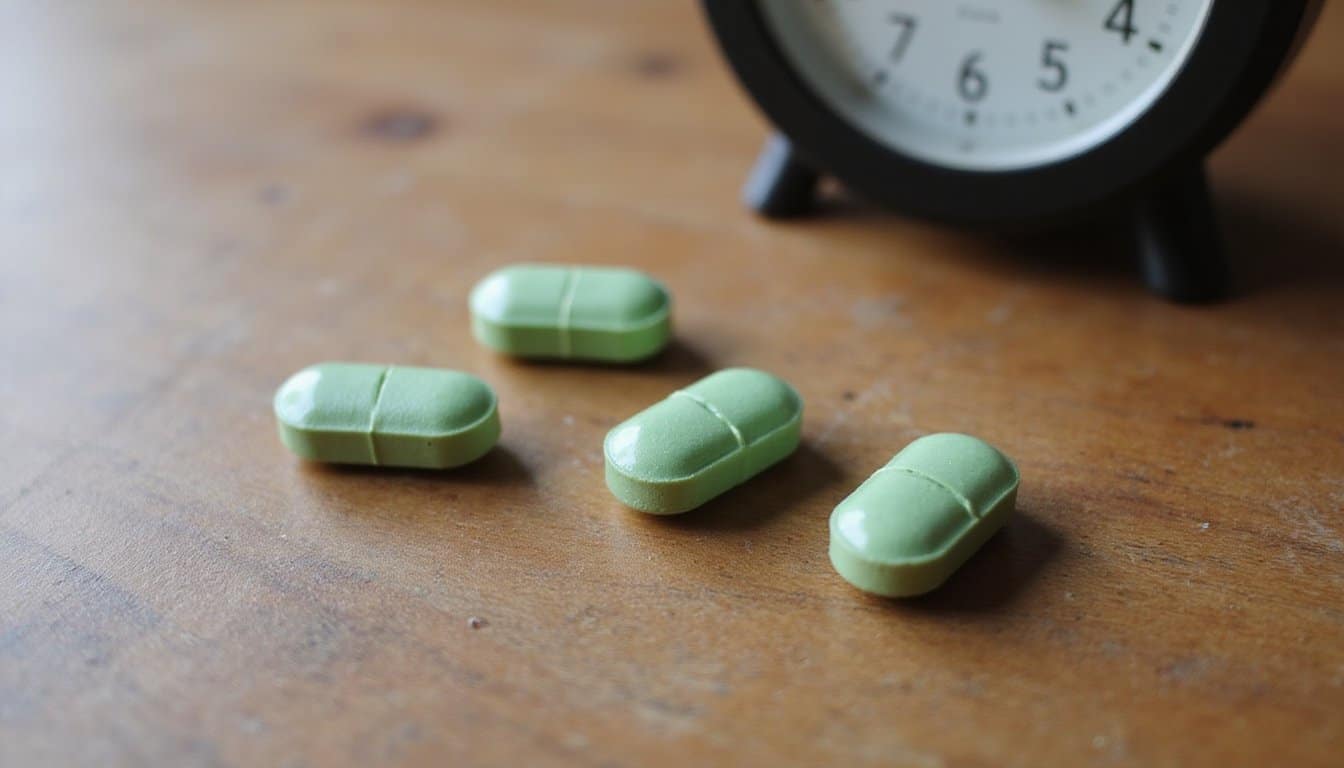
Many people don’t realize how quickly Xanax can shift from a therapeutic tool to a physiological necessity. Tolerance can emerge within days to weeks of regular use, with noticeable reductions in effectiveness appearing by weeks four to six. Your brain’s GABA receptors become less responsive to the drug, prompting dose escalation to achieve the same relief.
Physical dependence can develop within three to four weeks, affecting up to 40% of daily users within six months. As dependence forms, your brain produces less GABA naturally, making normal functioning increasingly contingent on the drug’s presence. Because of Xanax’s short half-life, withdrawal symptoms can emerge just six to twelve hours after your last dose. Risk increases substantially when use extends beyond the recommended two-to-four-week treatment window.
Xanax Withdrawal Symptoms and What to Expect
Once dependence takes hold, your body’s reaction to reduced or absent Xanax becomes both predictable and medically significant. Due to Xanax’s short half-life, you’ll likely experience symptoms within 6, 12 hours of your last dose. Intensity peaks between days 2 and 3, when cardiovascular, neurological, and psychological symptoms reach maximum severity.
Physical symptoms include tremors, sweating, nausea, elevated heart rate, and insomnia. Psychologically, you may experience rebound anxiety, panic attacks, irritability, and difficulty concentrating. Severe cases involve hallucinations, delirium, or grand mal seizures, making medical monitoring essential during this phase.
Acute symptoms generally resolve within 4, 5 days. Mild anxiety and insomnia may persist through day 14. Beyond that, residual symptoms typically remain manageable, though rebound anxiety can last several weeks in some cases.
Xanax Overdose Risks and When to Call 911

Although withdrawal carries serious medical risks, a Xanax overdose represents a more immediately life-threatening emergency. Overdose risk increases greatly when you combine Xanax with alcohol, opioids, or other CNS depressants. Higher-than-prescribed doses and individual tolerance variations further elevate your risk of respiratory depression, hypoxia, organ damage, coma, or death.
Call 911 immediately if you observe shallow or slowed breathing, slurred speech, impaired coordination, confusion, loss of consciousness, or a bluish tint to the lips or skin. These signs indicate acute medical crisis requiring emergency intervention.
The data underscores the severity: benzodiazepine overdose deaths rose 830% among women aged 30, 64 between 1999 and 2017. Alprazolam demonstrates higher toxicity than other benzodiazepines in overdose cases, and 97.5% of fatal Xanax-involved overdoses involve concurrent substances.
Call Now and Get the Support You Deserve
Prescription drug misuse builds quietly and by the time the signs are clear it can feel like there is no way out. At NJ Addiction Hotline, we connect you with the right treatment including specialized Benzo Addiction Treatment designed to help you heal and move forward. Call (609) 293-5961 now because you deserve real help and genuine care.
Frequently Asked Questions
Can Xanax Addiction Affect Relationships With Family and Close Friends?
Yes, Xanax addiction can seriously damage your relationships with family and close friends. You may drift away from loved ones to conceal your use, while guilt and shame deepen that isolation. Your erratic behavior and angry outbursts create ongoing conflict, keeping those around you in a constant state of stress. Family members may develop anxiety or depression from the strain, and enabling patterns like codependency can further destabilize these important relationships.
Is Xanax Addiction More Common in Certain Age Groups or Demographics?
Yes, Xanax addiction affects certain age groups more profoundly. You’ll find the highest misuse rates among young adults aged 18, 25, with a 10.3% abuse rate, nearly double that of adults 26 and older. Teenagers also face rising risks, often self-medicating anxiety and stress. Middle-aged adults aged 50, 64 carry the highest prescription rates at 12.9%, increasing their exposure risk. Older adults show the lowest misuse rates but face growing drug-related mortality.
Are There Legal Consequences Associated With Obtaining Xanax Without a Prescription?
Yes, obtaining Xanax without a prescription carries serious legal consequences. You’re looking at federal classification as a Schedule IV controlled substance, meaning unlawful possession is illegal nationwide. Depending on your state, you could face felony charges, significant fines, and prison sentences ranging from 2 to 10 years. In Florida and New Jersey, penalties escalate with quantity. Trafficking charges, license suspension, and mandatory rehabilitation are also possible outcomes you’d want to avoid.
Can Someone Fully Recover From Xanax Addiction Without Professional Treatment?
Yes, you can fully recover from Xanax addiction without professional treatment. Research shows that over 54% of people achieve remission through natural recovery, relying on personal determination, community support, and self-help groups. However, you should understand the significant risks involved. Approximately 40% of long-term users experience moderate to severe withdrawal, and alprazolam’s shorter-acting formulation makes rebound anxiety particularly intense. Professional guidance substantially reduces these risks, though it’s not your only viable path.
Does Xanax Addiction Increase the Risk of Developing Other Substance Dependencies?
Yes, Xanax addiction drastically increases your risk of developing other substance dependencies. As your tolerance builds, you may turn to alcohol, opioids, or other substances to enhance its effects or manage withdrawal symptoms. These combinations are particularly dangerous because they compound central nervous system depression, raising your overdose risk considerably. Long-term use also alters your brain’s neurochemistry, impairing your judgment and increasing your vulnerability to self-medicating with additional substances.