




People misuse Xanax because it reliably dulls emotional pain, panic, and stress, and that immediate relief is powerful. You’re more likely to misuse it if you have an untreated mental health condition, limited access to proper care, or a co-occurring substance use disorder. Social normalization makes it feel low-risk, and friends or family often supply it without a prescription. Understanding these factors is the first step, and there’s far more to uncover about how this pattern escalates. Xanax abuse statistics indicate a rising trend among various demographics, highlighting the need for increased awareness and prevention efforts. Many individuals underestimate the risks associated with misuse, often leading to devastating consequences for both physical and mental health.
The Real Reasons People Start Misusing Xanax
Several factors drive Xanax misuse, and they’re rarely as simple as someone seeking a “high.” Stress, emotional pain, social access, and underlying mental health conditions all create conditions where misuse becomes likely. Xanax addiction signs and risks can manifest in various ways, including changes in mood and behavior. Recognizing these indicators early can help individuals seek the necessary support. Treatment options are available that focus on both psychological and physical aspects of addiction.
Understanding why do people take Xanax requires examining overlapping vulnerabilities. Easy accessibility and social sourcing play a measurable role, 55% of nonmedical users obtained the drug free from a friend or relative, while 70% of teens accessed it directly from a family medicine cabinet. Co-occurring mental health and substance use disorders compound the risk considerably, with individuals diagnosed with depression, bipolar disorder, or alcohol dependence reporting misuse rates near 40%. These aren’t isolated choices. They reflect patterns shaped by psychological need, environmental exposure, and limited access to adequate mental health support. Xanax is a Schedule IV controlled substance, meaning it has recognized medical uses but also a well-documented potential for abuse that makes it particularly vulnerable to misuse within social and domestic settings.
How Xanax Dependence Develops From Mental Health Mismanagement
When mental health conditions go unaddressed or are poorly managed, Xanax dependence often follows a predictable and well-documented trajectory. Inadequate mental health assessment plays a central role. Primary care physicians frequently prescribe Xanax without exploring anxiety triggers, underlying causes, or alternative treatments. This hurried approach bypasses thorough evaluation and tailored care.
Understanding why people take Xanax reveals a deeper systemic issue: the normalization of pharmaceutical solutions has conditioned many individuals to reach for medication before developing sustainable coping strategies. Cognitive-behavioral therapy and mindfulness practices get bypassed in favor of immediate relief. Why Xanax is addictive can be attributed to its ability to produce rapid calming effects, which creates a cycle of dependency. People may find themselves increasingly relying on the medication to manage anxiety, overlooking the long-term consequences.
The consequences are measurable. Approximately 44 percent of chronic benzodiazepine users develop dependence, while withdrawal complications, including tremors, elevated blood pressure, and suicidal ideation, create significant barriers to discontinuation and reinforce long-term reliance cycles. Social media and popular culture further compound the problem by depicting Xanax use as casual or glamorous, fueling cultural trivialization that distorts public perception of its risks. Why Xanax is addictive can be attributed to its rapid onset of calming effects that lead users to seek repeated use.
Why Xanax Has Become Socially Normalized Among Young Adults
Beyond the clinical pathways through which dependence forms, a broader cultural shift has made Xanax misuse not just common among young adults but socially unremarkable. Social media and popular culture routinely depict Xanax use as casual or even glamorous, trivializing its risks and reshaping why people use Xanax in the first place. You’re seeing a generation that perceives it as innocuous because normalized portrayals say it is. Why is Xanax prescribed so much? Partly because over-prescription has reinforced the idea that pharmacological relief is routine. This cultural acceptance explains why people do Xanax without medical oversight, it’s reframed as a lifestyle choice, not a clinical risk. The result is a population increasingly vulnerable to dependence, withdrawal seizures, and overdose, yet culturally conditioned to dismiss those dangers. Drug overdose deaths involving benzodiazepines climbed from 1,135 in 1999 to 10,964 in 2022, a trajectory that reflects how deeply normalized misuse has become across successive generations of young users.
Where People Get Xanax Without a Prescription
Understanding where nonmedical Xanax comes from cuts to the heart of why misuse persists at scale. Research consistently shows that friends and relatives are the dominant source, accounting for roughly 63.9% of nonmedical users overall. Among college populations, that figure rises to 84%. You’re looking at a social supply chain, not primarily a criminal one.
Drug dealers represent a secondary channel, with UK data placing them at 34.8% and collegiate samples at just 2%. Online purchasing adds another layer, with 23.4% of UK nonmedical alprazolam users acquiring it without a prescription online, nearly double the rate seen with diazepam.
Demographic factors shape access patterns too. Men tend toward non-medical channels, women toward prescriptions. Younger adults aged 18, 25 carry the highest non-prescription misuse rates at 5.2%.
How Xanax Misuse Turns Into Addiction and Overdose
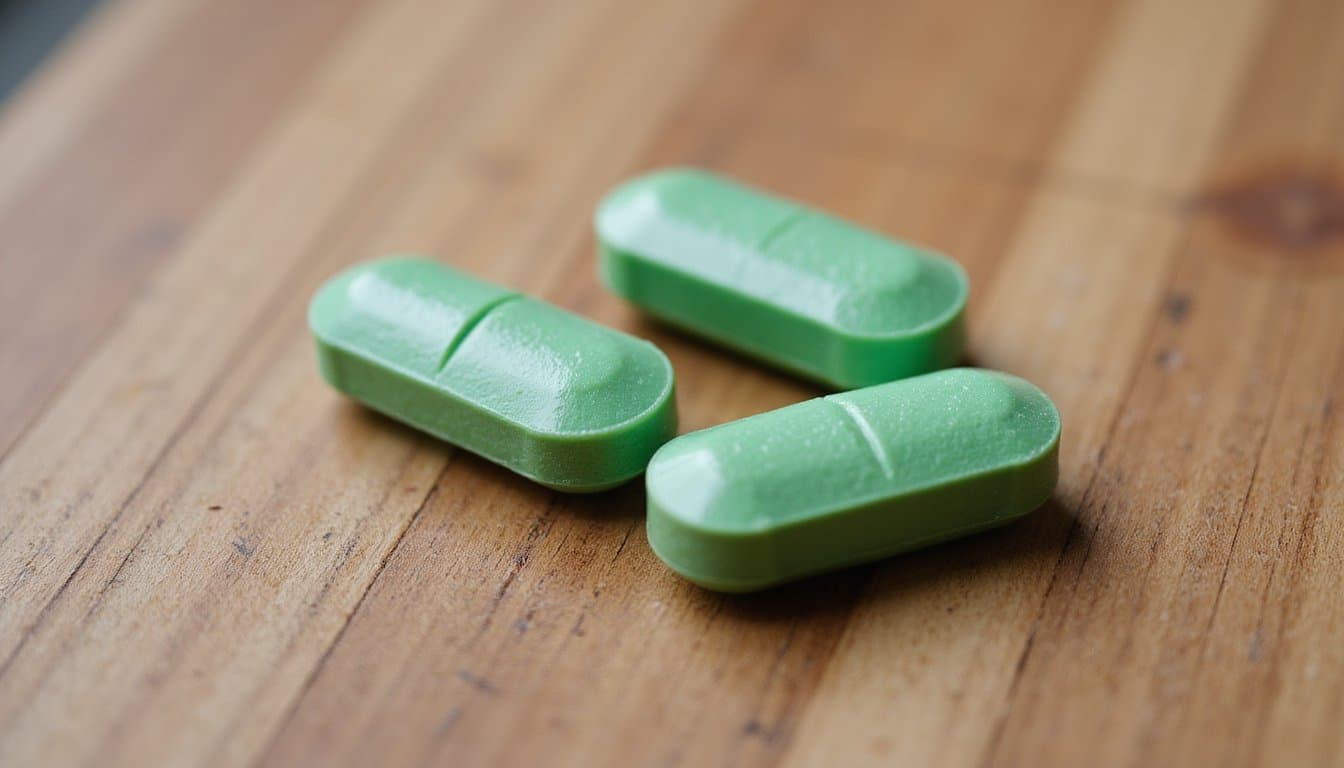
Casual Xanax use doesn’t stay casual for long. Your brain adapts quickly, requiring higher doses to produce the same effect. Once physical dependence sets in, stopping triggers withdrawal, confirming addiction’s grip.
Polysubstance use dramatically amplifies your overdose risk:
| Combination | Interaction | Risk |
|---|---|---|
| Xanax + Alcohol | CNS depression | Respiratory arrest |
| Xanax + Opioids | Compounded sedation | Fatal overdose |
| Xanax + Stimulants | Cardiovascular strain | Myocardial infarction |
The data confirms escalating consequences. Benzodiazepine overdose deaths rose 917% between 1999 and 2017. Emergency room visits for Xanax abuse tripled between 2004 and 2010. By 2020, 4.8 million Americans had misused benzodiazepines within the past year. Misuse doesn’t plateau, it progresses.
Call Now and Get the Support You Deserve
Prescription drug misuse builds quietly and by the time the signs are clear it can feel like there is no way out. At NJ Addiction Hotline, we connect you with the right treatment including specialized Benzo Addiction Treatment designed to help you heal and move forward. Call (609) 293-5961 now because you deserve real help and genuine care.
Frequently Asked Questions
What Are the Long-Term Cognitive Effects of Prolonged Xanax Misuse?
Prolonged Xanax misuse damages your brain in measurable ways. You’ll experience memory impairment, including anterograde amnesia and verbal recall deficits. Your processing speed, attention, and executive function decline considerably. Structurally, you’re losing grey matter in your hippocampus and prefrontal cortex. You’re also facing a 32%, 84% increased Alzheimer’s risk. Recovery’s possible through neuroplasticity, but it takes 6, 18 months, and older users recover more slowly.
Can Xanax Misuse Affect Relationships and Daily Functioning Over Time?
Yes, Xanax misuse can seriously damage your relationships and daily functioning over time. You’ll likely experience emotional blunting, causing detachment and reduced empathy that strains partnerships and friendships. Your academic or occupational performance will decline as concentration falters, potentially leading to job loss and financial hardship. You’ll withdraw socially, eroding trust through dishonesty about your usage. Depression and anxiety worsen chronically, trapping you in a cycle that makes recovery increasingly difficult without professional intervention.
Are There Effective Non-Medication Alternatives for Managing Anxiety Disorders?
Yes, you have access to several effective non-medication alternatives for managing anxiety disorders. Cognitive-Behavioral Therapy (CBT) remains the most well-researched option, directly altering negative thought patterns. You can also benefit from Mindfulness-Based Stress Reduction (MBSR), which performs comparably to medication in clinical trials. Exposure therapy, ACT, progressive muscle relaxation, and regular physical exercise each demonstrate measurable symptom reductions. Combining these approaches with professional guidance typically yields the strongest, most lasting outcomes.
How Does Xanax Misuse Differ Between Men and Women Demographically?
You’ll find notable demographic differences in how men and women misuse Xanax. Women misuse it primarily to cope with anxiety (67.3% vs. men’s 50%), while men more often seek enhancement effects (39.8% vs. 19.2%). Women progress faster to dependence, report higher cravings, and you’re more likely to see them using non-oral routes like inhalation. Despite receiving prescriptions at higher rates, women face greater barriers to treatment, including childcare responsibilities and more severe psychological challenges upon entry.
What Withdrawal Symptoms Occur When Someone Stops Misusing Xanax Suddenly?
When you stop misusing Xanax suddenly, you’ll experience a range of withdrawal symptoms across multiple categories. Physically, you’ll face anxiety, tremors, sweating, and nausea. Neurologically, you’re at risk for insomnia, hypersensitivity, hallucinations, and potentially life-threatening seizures. Psychologically, you’ll encounter intense rebound anxiety, depression, and disorientation. Symptoms typically onset within 6-12 hours, peaking between days 2-7, with post-acute withdrawal syndrome potentially extending your recovery timeline extensively.