



When you drink alcohol while taking Wellbutrin, you’re markedly increasing your seizure risk, studies show alcohol can amplify this danger up to 54-fold. You’ll also experience intensified side effects like severe dizziness, impaired coordination, and dangerous drops in blood pressure. Alcohol directly counteracts Wellbutrin’s mechanism by depleting the neurotransmitters your medication works to boost, potentially triggering depressive episodes. Understanding the specific risk factors and dosage considerations can help you make safer decisions. When you drink alcohol while taking Wellbutrin, you’re markedly increasing your seizure risk, which is why many patients ask can you drink alcohol on wellbutrin xl before combining the two. Studies show alcohol can amplify this danger up to 54-fold. You’ll also experience intensified side effects like severe dizziness, impaired coordination, and dangerous drops in blood pressure. Alcohol directly counteracts Wellbutrin’s mechanism by depleting the neurotransmitters your medication works to boost, potentially triggering depressive episodes. Understanding the specific risk factors and dosage considerations can help you make safer decisions.
What Happens When You Mix Alcohol and Wellbutrin?
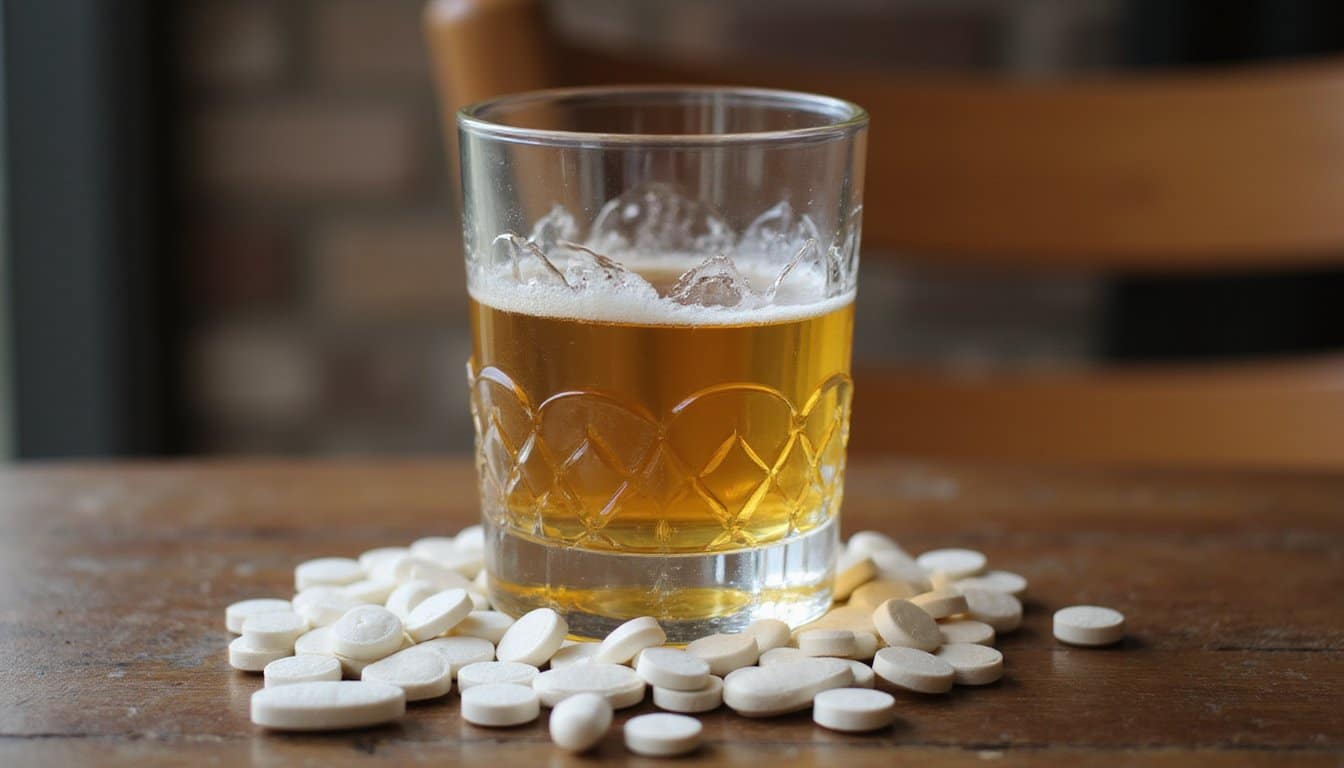
When you combine alcohol with Wellbutrin (bupropion), you substantially increase your risk of experiencing a seizure, one of the most serious potential complications of this interaction. This seizure risk elevates enormously if you have a history of epilepsy, take higher doses, or consume excessive amounts of alcohol.
Beyond seizures, mixing these substances causes central nervous system depression, leading to severe drowsiness, impaired coordination, and respiratory complications. You may experience intensified dizziness, confusion, and fatigue that interfere with daily activities like driving. Nausea and vomiting are also common when combining these substances.
Additionally, alcohol directly counteracts Wellbutrin’s therapeutic effects, resulting in worsened depression symptoms. Since alcohol is a depressant that reduces serotonin and dopamine levels in the brain, it works against Wellbutrin’s mechanism of boosting these neurotransmitters. This combination can trigger depressive episodes and potentially increase suicidal ideation. Your liver also struggles to metabolize both substances simultaneously, raising intoxication levels and overdose potential.
Who Shouldn’t Drink on Wellbutrin? Risk Factors That Matter
Although Wellbutrin carries interaction risks for anyone who drinks alcohol, certain groups face considerably elevated dangers that warrant complete abstinence.
If you have liver disease or kidney problems, you’re at markedly higher risk for toxicity since both substances require hepatic and renal processing. Compromised organ function elevates blood levels of Wellbutrin and alcohol, intensifying wellbutrin alcohol reactions unpredictably.
Liver or kidney disease dramatically increases toxicity risk when combining Wellbutrin and alcohol due to compromised metabolic processing.
Those with seizure history or previous head injuries face particularly serious complications. Wellbutrin already carries dose-dependent seizure risk that alcohol dramatically amplifies, especially during withdrawal periods. Binge drinking episodes pose an especially dangerous threat due to the rapid neurological destabilization they cause.
Older adults experience heightened sensitivity due to age-related metabolic changes. Increased sensitivity to alcohol in this population means even moderate drinking may produce more pronounced side effects from the combination. If you have eating disorders or mental health comorbidities, electrolyte imbalances and neurochemical instability increase your vulnerability significantly.
Higher Wellbutrin doses and immediate-release formulations create additional interaction risks requiring careful medical evaluation.
The Seizure Risk You Can’t Ignore
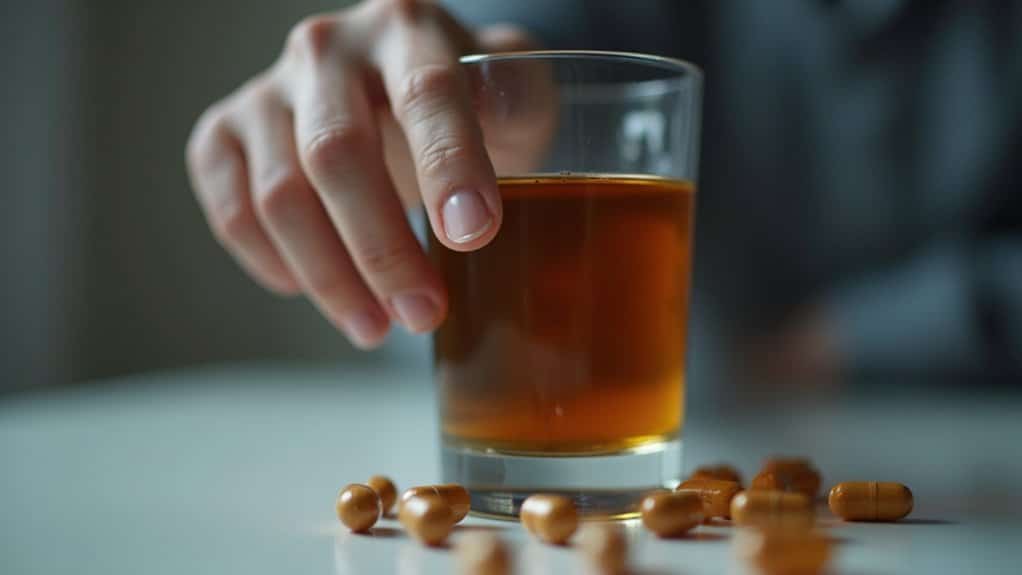
Wellbutrin carries a dose-dependent seizure risk that alcohol dramatically amplifies, animal studies show a 54-fold increase in bupropion-induced seizures when alcohol is present. Research demonstrates that ethanol pretreatment lowered the convulsive dose required to induce seizures by 23% compared to bupropion alone. You’re at higher risk if you take doses above 450 mg/day, have a history of seizures, eating disorders, or head trauma, or if you drink heavily or stop drinking abruptly. Understanding these risk factors isn’t optional; it’s essential for preventing a potentially life-threatening medical emergency. Beyond seizures, combining alcohol with Wellbutrin may reduce the medication’s effectiveness, potentially triggering depressive episodes that undermine your treatment progress.
Dose-Dependent Seizure Dangers
Because Wellbutrin carries an inherent dose-dependent seizure risk, combining it with alcohol creates a dangerous multiplier effect that you can’t afford to ignore. Higher doses of bupropion correlate directly with increased baseline seizure susceptibility, and alcohol consumption amplifies this vulnerability substantially.
Immediate-release formulations present heightened interaction potential due to fluctuating blood levels throughout the day. When peak plasma concentrations coincide with alcohol intake, adverse effects reach their maximum intensity.
The wellbutrin seizure risk alcohol interaction proves particularly dangerous during binge drinking episodes. Large quantities consumed rapidly create dramatic spikes in seizure probability. Even if you’ve never experienced seizures, this combination fundamentally alters your neurological risk profile. Excessive alcohol paired with high Wellbutrin doses creates life-threatening seizure potential that demands serious consideration. Individuals with underlying seizure conditions or eating disorders face even greater vulnerability when mixing these substances. If you’re struggling with alcohol use while on medication, expertly trained specialists at substance-use-disorder treatment centers can help you navigate these risks safely.
High-Risk Patient Groups
Beyond dose-related factors, certain patient populations carry baseline vulnerabilities that dramatically increase seizure risk when mixing Wellbutrin and alcohol. These populations include individuals with a history of seizures, those with eating disorders, and patients with a family history of epilepsy. Therefore, it is crucial for healthcare providers to assess these risks when prescribing Wellbutrin to patients who consume alcohol, as the combination significantly heightens the wellbutrin alcohol seizure risk. A comprehensive evaluation of a patient’s medical history and lifestyle choices can help mitigate potential adverse effects.
If you have a history of seizures, your threshold is already compromised. Eating disorders like bulimia or anorexia create nutritional deficits that heighten neurological instability. A head injury history leaves residual electrical sensitivity in brain tissue. Heavy or chronic drinkers face compounded risks, particularly during withdrawal. Older adults metabolize both substances more slowly, prolonging exposure.
| Risk Factor | Primary Concern |
|---|---|
| Prior seizures | Lowered seizure threshold |
| Eating disorders | Metabolic instability |
| Head trauma | Neurological sensitivity |
| Chronic alcohol use | Withdrawal complications |
You must disclose these conditions before starting Wellbutrin. Your prescriber needs complete information to assess your individual risk profile accurately.
Side Effects That Get Worse When You Drink
Mixing alcohol with Wellbutrin heightens several dangerous side effects that require careful attention. can you take wellbutrin and alcohol can lead to increased anxiety, seizures, and unpredictable mood swings. It is essential to consult a healthcare professional before combining these substances. Prioritizing safety and well-being should always come first when managing medication and lifestyle choices.
Central nervous system effects alcohol produces become greatly amplified when combined with bupropion. You’ll experience heightened sedation, impaired coordination, and cognitive dysfunction beyond what either substance causes alone. Adverse drug reactions alcohol triggers include severe dizziness, confusion, and respiratory depression that can prove life-threatening.
Your cardiovascular system faces compounded stress. You may notice irregular heartbeat, dangerous blood pressure drops, and pronounced lightheadedness requiring immediate medical evaluation.
Gastrointestinal symptoms worsen considerably. Expect intensified nausea, vomiting, and dehydration. Your liver must process both substances simultaneously, increasing toxicity risk and potential organ damage.
Mental health deteriorates rapidly with this combination. Depression deepens, anxiety spikes, and suicidal ideation becomes more likely as neurochemical imbalances compound.
Why Alcohol Makes Your Wellbutrin Stop Working

When you drink alcohol while taking Wellbutrin, you’re fundamentally forcing two opposing forces to compete within your brain’s chemistry. Bupropion increases norepinephrine and dopamine activity, while alcohol depresses your central nervous system, directly counteracting these therapeutic mechanisms.
The effects of mixing Wellbutrin and alcohol include diminished medication effectiveness at the neuronal level. Your liver must process both substances simultaneously, reducing bupropion’s bioavailability and preventing adequate concentrations from reaching brain receptors.
Wellbutrin side effects alcohol interactions also disrupt your treatment timeline. The therapeutic lag time required for antidepressant benefits, typically several weeks, essentially resets when alcohol negates your progress. This interference can trigger treatment resistance patterns, potentially requiring dosage adjustments or alternative medications to restore clinical efficacy.
Overdose and Liver Damage: Real Physical Dangers
The physical dangers of combining Wellbutrin and alcohol extend far beyond diminished medication effectiveness, they include life-threatening overdose risk and cumulative organ damage.
Both substances produce central nervous system depression independently. Combined, they create compounded respiratory depression risk, the most common fatal overdose outcome. Severe sedation and loss of consciousness may require emergency intervention.
Combining Wellbutrin and alcohol compounds CNS depression, creating dangerous respiratory failure risk that may prove fatal.
Your liver metabolizes both bupropion and alcohol, creating significant hepatic stress. Regular combination causes cumulative liver damage with serious long-term consequences. Dehydration alcohol Wellbutrin interactions intensify through impaired hepatic function.
Blackouts wellbutrin alcohol combinations occur because CNS depression affects memory consolidation and consciousness. These episodes indicate dangerous intoxication levels requiring immediate medical evaluation. Any blackout while taking bupropion warrants disclosure to your prescribing physician.
What to Do If You’ve Already Been Drinking on Wellbutrin?
Understanding overdose risks and liver damage helps inform prevention, but if you’ve already consumed alcohol while taking Wellbutrin, immediate action matters more than regret.
Stop drinking immediately and begin monitoring your symptoms. Watch for dizziness, drowsiness, confusion, nausea, or coordination problems, these indicate your central nervous system is compromised. The combination of alcohol and Wellbutrin can produce unpredictable reactions, so remain in a safe environment.
Hydrate with water to counteract dehydration from potential vomiting. Rest until effects subside, and don’t operate vehicles or machinery. If you experience seizures, respiratory depression, irregular heartbeat, or severe dizziness, seek emergency medical care immediately.
Contact your prescribing physician to report the incident. They’ll evaluate whether dosage adjustments are necessary and help you develop strategies to avoid future alcohol-Wellbutrin interactions.
Frequently Asked Questions
How Long After Stopping Wellbutrin Can I Safely Drink Alcohol Again?
You should wait four to five days after stopping Wellbutrin before drinking alcohol safely. This timeframe allows the drug to clear your system through four to five half-lives, since Wellbutrin’s half-life measures approximately 21 hours. While initial clearance begins within 24 to 48 hours, residual medication increases seizure risk and unpredictable reactions. You’ll want to consult your healthcare provider before consuming alcohol, as individual factors can affect clearance times.
Can I Have Just One Drink Occasionally While Taking Wellbutrin?
While some people tolerate an occasional drink on Wellbutrin, it’s generally not recommended. Even one drink can trigger unpredictable reactions, including heightened dizziness, intensified sedation, and increased seizure risk, particularly if you don’t drink regularly. Your liver must process both substances simultaneously, raising intoxication potential. The combination may also worsen depression symptoms and counteract your medication’s benefits. You should consult your prescribing physician about your specific risk factors before drinking.
Does the Type of Alcohol Matter When Taking Wellbutrin?
No, the type of alcohol doesn’t matter when you’re taking Wellbutrin. Whether you drink beer, wine, or spirits, all alcoholic beverages act as central nervous system depressants and carry the same interaction risks. The ethanol content, not the beverage category, drives the adverse effects, including lowered seizure threshold and intensified CNS depression. Your body processes alcohol identically regardless of its source, so no alcoholic drink is safer than another while on bupropion.
Will Wellbutrin Make Me Feel Drunk Faster Than Usual?
You may feel drunk faster while taking Wellbutrin, though this isn’t due to accelerated alcohol metabolism. Research shows no pharmacokinetic interaction affecting how quickly your body processes alcohol. Instead, the combination intensifies alcohol’s effects on your central nervous system, producing pronounced dizziness, sedation, and impaired coordination that mimic rapid intoxication. You’ll likely experience lower alcohol tolerance, meaning fewer drinks produce stronger effects than you’d typically expect.
Can I Take Wellbutrin at a Different Time to Drink Safely?
No, adjusting when you take Wellbutrin won’t create a safe window for drinking. The medication remains active in your system regardless of timing, and no evidence supports dose scheduling as a harm-reduction strategy. Both substances affect your central nervous system and liver metabolism continuously. Your seizure risk stays elevated whether you take immediate-release or extended-release formulations. You should consult your prescriber about your drinking habits for personalized guidance.