



To relieve body aches after drinking Alcohol, you’ll want to prioritize rapid rehydration with electrolyte-rich beverages containing sodium and potassium, which help restore proper neuromuscular function and flush inflammatory metabolites like acetaldehyde from your system. Anti-inflammatory foods can help counteract the proinflammatory cytokines alcohol triggers throughout your body. Most hangover-related muscle discomfort resolves within 24, 72 hours with proper fluid replacement. Understanding the underlying mechanisms can help you identify when symptoms require clinical attention.
Why Your Body Aches So Much After Drinking
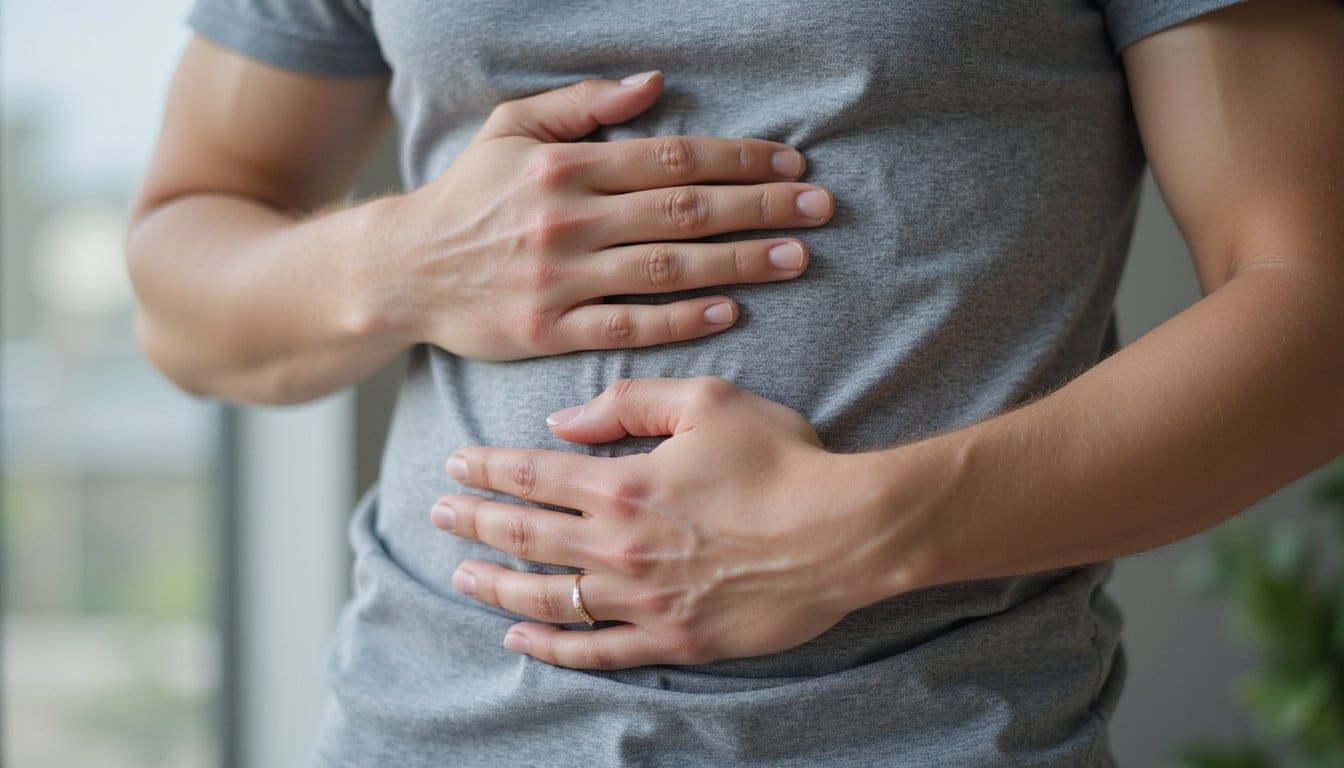
Frequently, the widespread discomfort you experience after drinking stems from alcohol’s systemic impact on multiple body systems simultaneously. Your skeletal muscles weaken and cramp due to alcohol’s interference with nerve function and calcium absorption. Central nervous system disruption affects nerve endings, while circulatory strain elevates blood pressure and heart rate.
Your immune system’s suppressed white blood cell activity increases cellular damage and inflammation. Heavy or hazardous drinking slows your body’s ability to fight infections for up to 24 hours, making you more susceptible to feeling unwell overall. Poor hydration after drinking exacerbates these effects, as alcohol acts as a diuretic depleting essential electrolytes. Blood sugar drops from insulin overproduction contribute to fatigue and weakness. Research shows that alcohol can also cause reduced bone mineral density, particularly in adolescent males, which may contribute to skeletal discomfort.
Understanding these mechanisms clarifies why inflammation reduction hangover strategies and muscle recovery alcohol protocols require addressing multiple physiological pathways rather than targeting symptoms individually.
How Dehydration and Inflammation Cause Hangover Pain
The physiological cascade behind hangover pain involves two primary mechanisms: dehydration and systemic inflammation. When you consume alcohol, it suppresses vasopressin release, triggering diuretic effects that cause fluid loss exceeding intake. This reduces blood volume, limiting oxygen delivery to muscles and producing stiffness and fatigue. Alcohol inhibits the effect of antidiuretic hormone (ADH) on the kidneys, which explains why you urinate more frequently while drinking.
Simultaneously, alcohol disrupts electrolyte balance alcohol metabolism depends on, stripping potassium, magnesium, and zinc from your system. This nutritional depletion alcohol causes interferes with muscle contraction-relaxation cycles, intensifying soreness. Alcohol can cause blood sugar levels to fall, which further contributes to the weakness and fatigue you experience during a hangover.
Your immune system compounds these effects by releasing proinflammatory cytokines, creating flu-like systemic aches. Acetaldehyde accumulation amplifies this inflammatory response, worsening muscle discomfort. Understanding these interconnected pathways helps you target effective alcohol recovery support strategies that address both fluid replenishment and inflammation reduction for ideal relief.
Rehydrate Fast to Ease Body Aches After Drinking
When you’re experiencing body aches after drinking, rapid rehydration addresses multiple physiological deficits simultaneously. Water intake restores synovial fluid volume in your joints, reducing friction-based discomfort, while electrolyte replenishment through sports drinks or oral rehydration solutions prevents the muscle cramping associated with sodium and potassium depletion. If vomiting occurred during the night, Gatorade and Pedialyte can help replenish the electrolytes you’ve lost more effectively than water alone. Adequate fluid consumption also supports hepatic and renal function, accelerating the elimination of acetaldehyde and other inflammatory metabolites responsible for systemic pain. Alcohol inhibits antidiuretic hormone secretion, which causes your body to lose water and essential electrolytes at an accelerated rate, intensifying muscle and joint discomfort.
Water Restores Joint Lubrication
Joint cartilage contains 70-80% water, making hydration essential for maintaining the cushioning that protects your joints during movement. When you’re dehydrated after drinking, your body pulls water from cartilage, causing it to become brittle and lose its shock-absorbing capacity. This explains why you experience increased joint discomfort during a hangover.
Synovial fluid, the water-based lubricant surrounding your joints, also diminishes with dehydration. Reduced synovial fluid creates friction between bones, intensifying pain and stiffness. With less lubrication, joints may grind together, causing discomfort and increased pain. Understanding how to cure body aches after drinking starts with aggressive rehydration to restore this critical lubrication.
To relieve body pain after alcohol consumption, prioritize water intake immediately. Proper hydration flushes inflammatory byproducts while replenishing joint structures. Adequate hydration also supports your kidneys and liver in processing alcohol metabolites and any medications you may be taking. Combined with adequate rest after drinking, rehydration provides effective hangover body ache relief by restoring cartilage pliability and synovial fluid viscosity.
Electrolytes Prevent Muscle Cramps
Beyond joint lubrication, your muscles depend on specific minerals to function without painful cramping, a common complaint during hangover recovery. Sodium, potassium, calcium, and magnesium enable proper muscle contraction and relaxation. Alcohol-induced dehydration depletes these electrolytes, disrupting neuromuscular function and increasing cramp susceptibility.
Research demonstrates that electrolyte beverages delay cramp onset by over 150% compared to plain water consumption following dehydration. Water alone can actually increase cramping risk, while electrolyte supplementation reverses this effect. Studies show that consuming sports drinks with added sodium at a rate matching sweat loss effectively maintains hydration and prevents muscle cramping during physical stress.
For ideal rehydration, consume oral rehydration solutions containing approximately 460-690 mg/L sodium alongside potassium and magnesium. Sports drinks address both fluid and electrolyte deficits simultaneously. However, recognize that electrolyte imbalance isn’t the sole cramp contributor, neuromuscular fatigue remains a primary factor. Poor conditioning or suboptimal movement patterns can also cause muscles to cramp regardless of hydration status. Balanced replenishment through supplementation and dietary sources like fruits, vegetables, and nuts supports thorough muscle recovery.
Fluids Speed Toxin Removal
Although electrolyte balance supports muscle function, adequate fluid volume remains essential for efficient toxin clearance and ache reduction. When you consume alcohol, its diuretic properties increase urine output, depleting your body’s water reserves. This fluid deficit impairs your kidneys’ ability to filter metabolic byproducts, allowing inflammatory compounds to accumulate in muscle tissue and joints.
You’ll experience faster symptom resolution by initiating aggressive rehydration immediately after drinking. Water intake accelerates toxin elimination through renal filtration, reducing the inflammatory burden causing your musculoskeletal discomfort. Clinical indicators of adequate rehydration include lighter urine color and decreased thirst. Additionally, alcohol can trigger acute and chronic inflammation throughout the body, which further intensifies muscle and joint pain.
Combine water consumption with hydrating beverages and nutrient-dense foods to optimize recovery. Avoid strenuous physical activity during this period, as your muscles require adequate hydration to function properly and repair alcohol-induced damage. Alcohol also reduces human growth hormone production, which slows down the muscle repair process and prolongs soreness.
Replace Electrolytes Lost From Alcohol and Vomiting
When alcohol’s diuretic effects combine with vomiting, your body loses critical electrolytes that directly impact muscle function and recovery. Hypokalemia affects approximately 50% of chronic alcohol users, while hypomagnesemia occurs in about one-third, both contributing directly to muscle weakness and cramping. This diuretic effect occurs specifically as blood alcohol concentration is increasing, when alcohol suppresses your body’s natural ADH release.
| Electrolyte | Clinical Impact |
|---|---|
| Potassium | Muscle weakness, arrhythmias |
| Magnesium | Tremors, weakness, carpal spasm |
| Phosphorus | Rhabdomyolysis, skeletal weakness |
| Sodium | Dehydration, cellular dysfunction |
You should prioritize magnesium and phosphorus replacement before potassium to avoid complications from electrolyte interplay. Hypophosphatemia appears in up to 50% of hospitalized patients within 2-3 days of alcohol overuse and links directly to muscle breakdown. Hypomagnesemia often occurs alongside hypocalcemia, which can be worsened by vitamin D deficiency. Don’t rely on empirical therapy, your individual deficiencies require specific evaluation, as plasma levels may appear normal initially while masking total-body deficits.
Anti-Inflammatory Foods That Reduce Body Aches After Drinking
Several anti-inflammatory foods can accelerate your body’s recovery from alcohol-induced muscle aches by targeting the inflammatory cascade triggered during ethanol metabolism.
Salmon delivers omega-3 fatty acids that lower inflammatory compounds elevated by alcohol breakdown while providing antioxidants to combat oxidative stress. Blueberries contain nutrients that reduce inflammatory markers post-drinking, as demonstrated in clinical research showing decreased inflammatory compounds in study participants.
Ginger exhibits protective properties for your liver and alleviates nausea stemming from hangover inflammation. You can consume it in bone broth or tea preparations. Turmeric’s curcumin compound provides anti-inflammatory and antiseptic effects that target body-wide inflammatory responses. These anti-inflammatory foods are particularly beneficial because oxidative stress is a dominant mediator of the pathogenic effects of excessive alcohol consumption.
Opuntia ficus-indica, when taken before drinking, inhibits inflammatory mediator production and protects against liver oxidation, offering modest but measurable symptom relief.
Gentle Stretches to Relieve Hangover Soreness
When you’re recovering from a night of drinking, targeted stretching can help release muscle tension and improve circulation throughout your body. Gentle neck and shoulder rolls mobilize the cervical spine and trapezius muscles, which commonly hold stress-related tightness. Lower back stretches and leg movements further address musculoskeletal discomfort while promoting blood flow that supports your body’s natural recovery processes.
Neck and Shoulder Rolls
Gentle neck and shoulder stretches can effectively reduce musculoskeletal tension that often accompanies alcohol’s dehydrating and inflammatory effects on soft tissues. These targeted movements promote circulation and facilitate muscle relaxation in commonly affected areas.
Recommended Stretches:
- Chin Tuck Stretch, Tuck your chin before tilting your head to target the base of your skull. Hold for 30-40 seconds while maintaining steady breathing. This technique assists with upper cervical relief.
- Upper Trapezius Stretch, Slide your arm across your lower back, then gently pull your ear toward the opposite shoulder. Hold for 20-30 seconds and repeat bilaterally.
- Shoulder Shrugs, Raise both shoulders slowly, hold for 5 seconds, then release. Perform 10 repetitions to relax the cervical musculature without bending your elbows.
Lower Back Stretches
Lower back discomfort frequently intensifies after alcohol consumption due to dehydration-induced muscle tension, prolonged static postures during social drinking, and inflammatory responses that affect spinal musculature. Targeted stretching protocols effectively address these biomechanical dysfunctions.
| Stretch | Technique | Therapeutic Benefit |
|---|---|---|
| Supine Twist | Lie supine, rotate knees laterally to each side | Releases paraspinal muscles and gluteal tension |
| Child’s Pose | Kneel with hips toward heels, forehead grounded | Regulates endocrine function, decompresses lumbar spine |
| Knees-to-Chest | Hug both knees toward chest, hold 10 seconds | Lengthens erector spinae, realigns pelvic positioning |
You should perform each stretch with controlled diaphragmatic breathing to maximize muscular relaxation. The knees-to-chest position particularly addresses stiffness accumulated during sedentary hangover recovery. Hold positions for recommended durations without forcing range of motion beyond comfortable limits.
Leg and Calf Movements
Alcohol-induced muscle soreness often extends beyond the lumbar region to affect the lower extremities, where dehydration and inflammatory mediators contribute to calf tightness, cramping, and generalized leg discomfort. Targeted stretching protocols can restore tissue extensibility and promote circulation.
Effective Calf Stretches:
- Wall Calf Stretch: Position hands against wall at shoulder height, step one foot back with heel grounded, and lean forward while maintaining posterior knee extension. Hold 15-30 seconds; repeat 2-4 times bilaterally.
- Soleus Stretch: Assume wall-supported stance with both knees flexed, keeping heels down. This targets the deeper soleus muscle. Maintain 30-60 seconds per side.
- Stair Heel Drop: Stand on stair edge, allowing heel to descend below step level. Hold 20-30 seconds for three repetitions per extremity.
How Long Body Aches After Drinking Normally Last
How long do body aches persist after a night of drinking? Typically, hangover-related muscle discomfort resolves within 24 hours, with symptoms peaking when your blood alcohol concentration returns to approximately zero. You’ll usually notice onset 6-8 hours after your last drink when BAC drops considerably. How long do body aches persist after a night of drinking? Typically, hangover-related muscle discomfort resolves within 24 hours, which is why many people search for a hangover body aches cure as symptoms peak. You’ll usually notice onset 6, 8 hours after your last drink, when your blood alcohol concentration returns to approximately zero and inflammatory effects become more pronounced.
Several factors influence your recovery duration. Dehydration severity directly correlates with symptom intensity and length, greater fluid loss means longer discomfort. The inflammatory response triggered by acetaldehyde production can maintain body aches throughout the full 24-hour period. Additionally, alcohol-disrupted sleep compounds your fatigue and heightens pain perception, extending how long you feel affected.
Individual variation plays a substantial role. While some people recover quickly, others experience lingering symptoms depending on dehydration levels and inflammation severity. Persistent pain beyond 24 hours may warrant medical evaluation.
When Body Aches After Drinking Signal Muscle Damage
While typical post-drinking muscle soreness resolves within a few days, certain symptoms indicate you’ve developed alcoholic myopathy, a condition where alcohol directly damages muscle tissue. You should recognize the distinction between acute alcoholic myopathy, which emerges rapidly after binge drinking with severe pain and weakness, and chronic alcoholic myopathy, which develops gradually over months or years of heavy consumption. Understanding these warning signs helps you identify when body aches require medical evaluation rather than simple home remedies. While typical post-drinking muscle soreness resolves within a few days, certain symptoms indicate you’ve developed alcoholic myopathy, a condition where alcohol directly damages muscle tissue, even in cases of body sore after drinking wine. You should recognize the distinction between acute alcoholic myopathy, which emerges rapidly after binge drinking with severe pain and weakness, and chronic alcoholic myopathy, which develops gradually over months or years of heavy consumption. Understanding these warning signs helps you identify when body aches require medical evaluation rather than simple home remedies.
Alcoholic Myopathy Warning Signs
When body aches after drinking persist beyond typical hangover symptoms or intensify with continued alcohol use, they may signal alcoholic myopathy, a condition involving direct muscle damage from ethanol’s toxic effects. This condition primarily affects proximal muscles near the body’s core, including shoulders, hips, and thighs. why does my body ache after heavy drinking may also depend on several factors, including hydration levels and individual tolerance to alcohol. Additionally, consuming large amounts of alcohol can lead to electrolyte imbalances, which might contribute to muscle soreness. It is important to listen to your body and seek medical advice if these aches persist or worsen.
Key warning signs requiring clinical evaluation:
- Proximal muscle weakness, difficulty climbing stairs, rising from seated positions, or lifting objects overhead indicates significant muscle involvement
- Dark or cola-colored urine, suggests rhabdomyolysis, requiring immediate medical attention to prevent kidney damage
- Rapid-onset swelling with tenderness, acute symptoms affecting pelvic and shoulder girdles, often appearing hours after heavy drinking
You should seek prompt medical assessment if these symptoms develop. With alcohol abstinence and appropriate treatment, acute symptoms typically resolve within one to two weeks.
Acute Versus Chronic Damage
Because body aches after drinking can range from temporary discomfort to serious tissue injury, distinguishing between acute and chronic alcoholic myopathy helps determine appropriate medical response.
Acute alcoholic myopathy develops within hours to days following binge drinking episodes. You’ll experience sudden pain, tenderness, swelling, and weakness in proximal muscles, particularly your thighs and shoulders. Dark urine signals rhabdomyolysis, a condition where muscle contents release into your bloodstream, potentially causing kidney failure. This form typically resolves within one to two weeks of abstinence.
Chronic alcoholic myopathy emerges gradually from sustained heavy drinking, affecting 40-60% of chronic alcoholics. You’ll notice progressive weakness and muscle wasting rather than acute pain. Symptoms include muscle twitching, tightness, and gait abnormalities. Unlike acute presentations, chronic damage may persist despite prolonged sobriety, reflecting irreversible structural changes.
What Heavy Drinking Does to Muscles Over Time
Heavy alcohol consumption damages skeletal muscle through multiple pathways that range from acute breakdown to progressive wasting. When you drink heavily over extended periods, your muscles experience significant structural and functional deterioration that compounds with time.
Chronic heavy drinking, defined as consuming more than 80 grams of alcohol daily, triggers proximal myopathy, causing progressive weakness in muscles surrounding your pelvis and shoulders. This deterioration reduces essential motor proteins, including myosin heavy chain and troponin-T, which impair muscle contraction efficiency.
The long-term consequences include:
- Significant skeletal muscle mass reduction, particularly with sedentary lifestyles
- Persistent weakness remaining below age-matched controls even after 5 years of abstinence
- Abnormal gait patterns developing from progressive lower extremity muscle wasting
Research indicates over half of individuals still show histological myopathy signs years after stopping alcohol consumption.
How to Prevent Body Aches Next Time You Drink
Understanding how chronic alcohol use damages muscle tissue provides context for why prevention matters, even occasional drinkers can reduce post-drinking soreness through targeted strategies.
Prioritize hydration by alternating each alcoholic beverage with water and consuming a large glass before bed. Select clear liquors like vodka or gin, which contain fewer congeners than bourbon or brandy, compounds that intensify hangover symptoms including muscle discomfort.
Pre-load with a balanced meal containing protein, B vitamins, and zinc to stabilize blood sugar and support metabolic recovery. Foods rich in vitamin C help replenish glutathione stores depleted by alcohol metabolism.
Optimize sleep by avoiding late-night drinking and allowing adequate rest time. Consider supplements like red ginseng or ginger, which demonstrate anti-inflammatory properties. Avoid combining acetaminophen with alcohol due to hepatotoxicity risk.
Frequently Asked Questions
Can a Hot Bath or Shower Help Relieve Body Aches After Drinking?
Yes, a hot bath or shower can help relieve your body aches after drinking. The warmth relaxes tense muscles affected by alcohol’s inflammatory effects and soothes skin receptors to reduce discomfort. You’ll also experience improved blood circulation, which supports your body’s natural recovery processes. However, you should limit sessions to 15-20 minutes and maintain adequate hydration, as hot water can exacerbate alcohol-induced dehydration. Combine this approach with rest and electrolyte replenishment for ideal results.
Does Taking Pain Relievers Before Bed Prevent Hangover Body Aches?
Taking pain relievers before bed won’t reliably prevent hangover body aches and carries significant risks. NSAIDs like ibuprofen can irritate your stomach lining, especially when combined with alcohol’s acidic effects. Acetaminophen poses serious liver damage risks when metabolized alongside alcohol. If you choose NSAIDs, you should take them with food and adequate fluids, spacing consumption several hours from your last drink to minimize gastrointestinal and hepatic complications.
Why Do My Legs Ache More Than Other Body Parts After Drinking?
Your legs ache more because they’re particularly vulnerable to alcohol’s physiological effects. Alcohol triggers inflammatory cytokines that accumulate in lower extremities, while simultaneously impairing circulation through vasodilation and reduced blood pressure. This combination causes fluid pooling, muscle cramping, and tissue swelling. Additionally, alcohol depletes electrolytes like potassium and magnesium essential for leg muscle function. Chronic consumption can damage peripheral nerves, producing the characteristic “stocking-glove” neuropathy pattern that begins in your toes and progresses upward.
Can Drinking Coffee Help Reduce Body Aches From a Hangover?
Coffee doesn’t directly relieve body aches from a hangover. While caffeine may temporarily increase alertness, it offers no therapeutic benefit for muscle discomfort or inflammation. Additionally, coffee’s diuretic effect worsens dehydration, potentially intensifying your symptoms. If you’re a regular caffeine consumer, a small amount may prevent withdrawal headaches, but you shouldn’t expect relief for somatic pain. Prioritize hydration and electrolyte replenishment instead to support your body’s recovery processes.
Do Certain Types of Alcohol Cause Worse Body Aches Than Others?
Yes, certain alcohols cause more severe body aches than others. Darker spirits like bourbon contain 37 times more congeners than vodka, which trigger inflammatory stress hormones and prolong acetaldehyde buildup in your system. Wine consistently ranks highest for hangover severity in clinical studies. You’ll experience milder symptoms with clear, highly distilled spirits like vodka or gin. However, total alcohol quantity and your individual metabolism influence aches more substantially than beverage type alone.