



When you drink alcohol, your body converts it into acetaldehyde, a toxic compound that directly damages muscle tissue and triggers inflammatory cytokines, which explains muscle and joint pain after drinking. At the same time, alcohol’s diuretic effect depletes the fluid that cushions your joints and reduces oxygen delivery to your muscles. Alcohol can also elevate uric acid levels, which may crystallize in joints and cause intense pain. Understanding each of these mechanisms helps you identify which factors are driving your specific symptoms.
What Causes Muscle and Joint Pain After Drinking
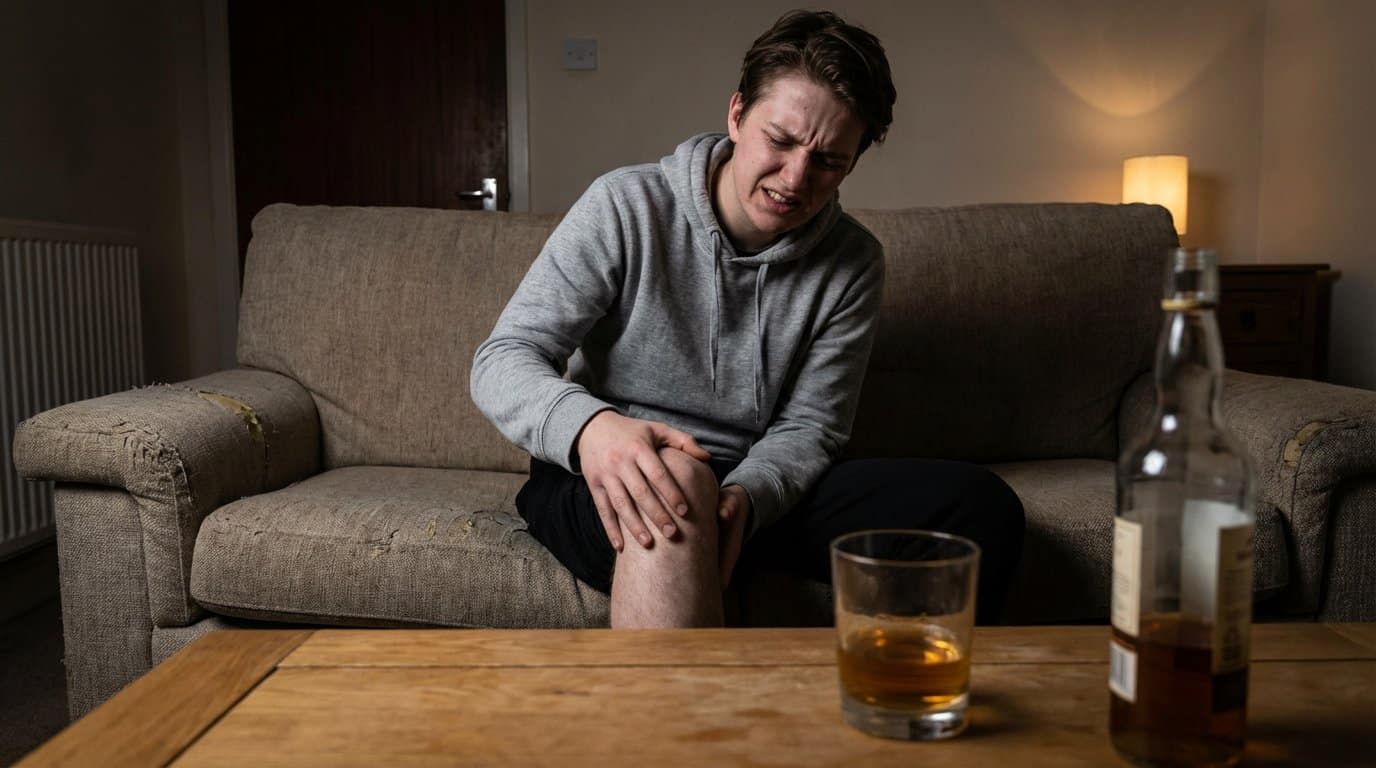
Alcohol triggers muscle and joint pain through several interconnected mechanisms that begin within hours of consumption. When you drink, ethanol suppresses antidiuretic hormone, causing rapid dehydration effects that deplete fluids from your muscles and joints. This fluid loss reduces synovial lubrication and limits oxygen delivery to tissues. Alcohol triggers muscle and joint pain through several interconnected mechanisms that begin within hours of consumption, which clarifies why many people feel body sore after drinking alcohol. When you drink, ethanol suppresses antidiuretic hormone, causing rapid dehydration that depletes fluids from your muscles and joints. This fluid loss reduces synovial lubrication and limits oxygen delivery to tissues, setting the stage for soreness and stiffness. Alcohol triggers muscle and joint pain through several interconnected mechanisms that begin within hours of consumption, which can also explain leg bone pain after drinking in some individuals. When you drink, ethanol suppresses antidiuretic hormone, causing rapid dehydration that depletes fluids from your muscles and joints. This fluid loss reduces synovial lubrication and limits oxygen delivery to tissues, setting the stage for soreness, stiffness, and deep-seated discomfort in the legs.
Your liver converts alcohol into acetaldehyde, a toxic compound that damages muscle tissue and impairs calcium release channels. This disrupts normal muscle contraction and prevents adequate repair. Electrolyte imbalance alcohol consumption causes, particularly losses of sodium, potassium, and magnesium, triggers cramping and soreness. Your body prioritizes clearing alcohol over removing lactic acid, intensifying discomfort. Additionally, alcohol increases uric acid levels and inflammatory cytokines, worsening joint pain in vulnerable individuals. Alcohol also disrupts the gut barrier, allowing toxic bacteria to enter the bloodstream and trigger systemic inflammation that amplifies pain throughout the body. Chronic heavy drinking further compounds these issues by causing nutritional deficiencies that deprive joints of essential vitamins needed for tissue repair and maintenance.
Why Alcohol Makes Inflammation and Pain Worse
When your body processes alcohol, it generates oxidative stress that directly amplifies inflammatory pathways and intensifies pain signals. During alcohol metabolism, enzymes like ADH and CYP2E1 produce acetaldehyde and reactive oxygen species that overwhelm your antioxidant defenses. This triggers NF-κB activation and NLRP3 inflammasome responses, releasing pro-inflammatory cytokines including IL-1β, IL-6, and TNF-α.
Alcohol simultaneously disrupts your gut barrier, allowing bacterial endotoxins like LPS to enter your bloodstream. This endotoxemia compounds the inflammatory cascade already initiated by oxidative stress. Your cytokine balance shifts toward inflammation as IL-10 production decreases while pro-inflammatory markers rise. Chronic alcohol exposure further amplifies this response by sensitizing Kupffer cells in the liver, causing them to produce increased TNF-α when exposed to LPS.
These mechanisms elevate C-reactive protein levels and intensify joint inflammation. The combined effect of metabolic stress and systemic cytokine imbalance explains why your muscles and joints experience heightened pain sensitivity after drinking. Additionally, the accumulation of FAEEs from non-oxidative ethanol metabolism can disrupt membrane integrity and mitochondrial function, further contributing to tissue damage and pain. These mechanisms elevate C-reactive protein levels and intensify joint inflammation, helping explain why is my body so achy after drinking even when alcohol intake seems moderate. The combined effect of metabolic stress and systemic cytokine imbalance increases pain sensitivity in muscles and joints after drinking. Additionally, the accumulation of fatty acid ethyl esters (FAEEs) from non-oxidative ethanol metabolism can disrupt membrane integrity and mitochondrial function, further contributing to tissue damage and pain.
How Dehydration Leads to Post-Drinking Soreness
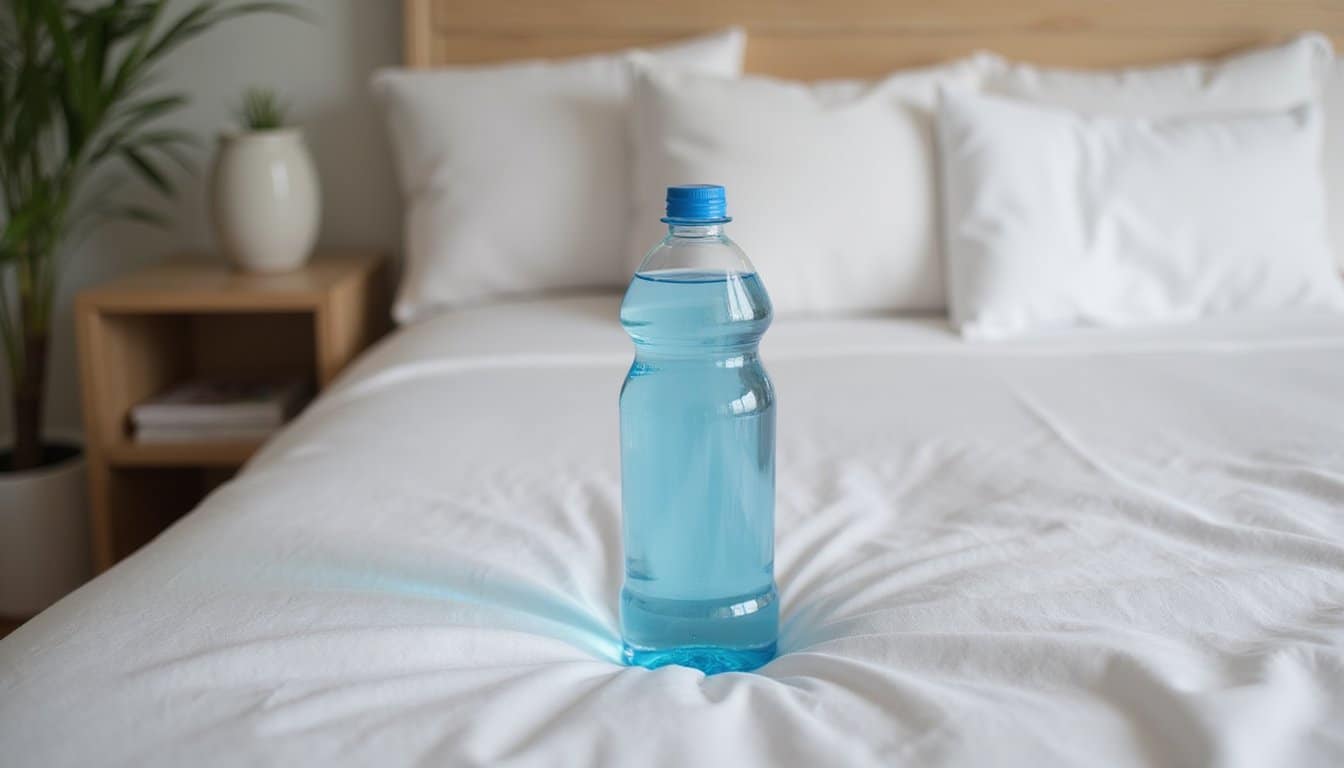
Your kidneys can excrete up to four times the volume of fluid you’ve consumed once ethanol suppresses antidiuretic hormone (ADH) release from your pituitary gland. This rapid fluid loss depletes water from muscles, joints, and connective tissues, creating significant muscle dehydration and performance impairment.
| System Affected | Pathophysiological Consequence |
|---|---|
| Synovial joints | Reduced lubrication, increased friction |
| Cartilage (70-80% water) | Loss of cushioning properties |
| Skeletal muscle | Cramps, weakness, impaired contraction |
| Plasma volume | Decreased oxygen delivery to tissues |
| Electrolytes | Sodium, potassium, magnesium depletion |
You’ll experience muscle weakness, spasms, and decreased endurance as nutrient and oxygen transport diminishes. Your joints lose synovial fluid lubrication, causing friction and accelerated wear. Rehydration attempts during drinking prove ineffective because hormonal suppression continues. Dehydration also interrupts calcium absorption, which is essential for proper muscle contraction and function.
Why Alcohol Triggers Gout Attacks and Joint Pain
Beyond dehydration‘s direct effects on your musculoskeletal system, alcohol consumption disrupts uric acid metabolism through two distinct mechanisms that can trigger painful gout attacks.
First, alcohol serves as a purine source, accelerating nucleotide breakdown and increasing uric acid production. Beer poses the highest risk, with a relative risk of 2.51, due to its purine guanosine content. Second, alcohol impairs your kidneys’ ability to excrete uric acid, interfering with renal filtration and secretion mechanisms.
This dual disruption elevates serum urate levels, promoting crystal formation in your joints. When uric acid accumulates, it forms sharp, needle-like crystals that settle in joint spaces, causing episodes of severe pain, swelling, and redness. Research confirms alcohol as a significant gout alcohol trigger, consuming just one to two drinks within 24 hours raises your recurrent attack risk by 36%. Studies show 14.18% of gout patients identify alcohol as their primary acute flare trigger. Notably, early onset gout patients under age 40 show a stronger connection, with over 65% reporting beer consumption before experiencing a flare-up.
When Post-Drinking Pain Signals Serious Muscle Damage
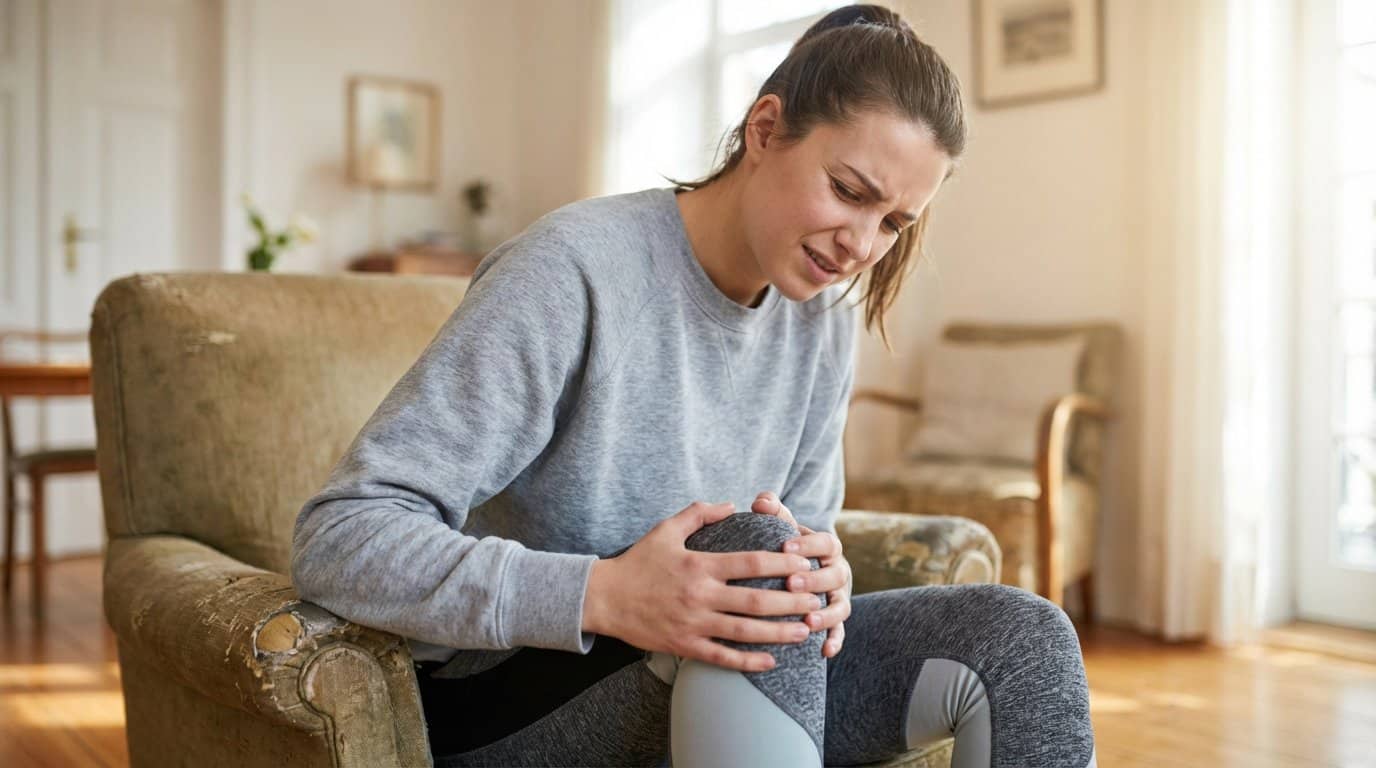
Although typical hangover muscle aches resolve within 24-48 hours, certain warning signs indicate you’ve crossed into dangerous territory, acute alcoholic myopathy or rhabdomyolysis.
Watch for severe muscle pain with tenderness and swelling, particularly in your shoulders, hips, and thighs. If you notice dark, cola-colored urine, this signals myoglobinuria, muscle fibers are breaking down and releasing contents into your bloodstream. This condition can rapidly progress to kidney failure.
Dark, cola-colored urine after heavy drinking is a red flag, your muscles are breaking down and your kidneys are at risk.
Rhabdomyolysis risk increases when you combine binge drinking with dehydration, physical exertion, or fasting. You may experience extreme weakness, confusion, and difficulty performing basic movements. Alcohol also reduces muscle protein synthesis by 24-37%, compounding the damage to already stressed muscle tissue. Chronic alcohol abuse often leads to malnutrition, further depriving muscles of essential nutrients needed for repair.
Seek immediate medical attention if you develop these symptoms. Blood tests measuring elevated creatine kinase levels confirm muscle damage. Without intervention, myoglobin overload can cause permanent kidney damage. Don’t dismiss severe post-drinking pain as a typical hangover.
How to Relieve Muscle and Joint Pain After Drinking
When muscle and joint pain strikes after drinking, targeted rehydration serves as your first line of defense. Drink 16-20 ounces of water upon waking and use electrolyte solutions containing sodium, potassium, and magnesium to restore mineral balance disrupted by alcohol’s diuretic effects.
To address alcohol muscle aches, consume anti-inflammatory foods like fatty fish, berries, and leafy greens. These provide omega-3 fatty acids and antioxidants that counteract inflammatory cytokines produced during alcohol metabolism. Alcohol also interferes with nutrient absorption essential for maintaining healthy joints and bones.
For alcohol joint inflammation, gentle movement proves effective. Light walking and 20-minute yoga sessions promote circulation without stressing affected tissues. Apply heat or ice therapy for 15-20 minutes to reduce localized swelling.
NSAIDs like ibuprofen target inflammation more effectively than acetaminophen. However, reducing alcohol consumption remains the most direct intervention for preventing recurrent musculoskeletal symptoms. Prioritizing quality rest is equally important, since alcohol disrupts sleep stages that support healing and increases the risk of sleep-disordered breathing.
Frequently Asked Questions
Can Alcohol-Related Muscle Pain Become Permanent With Continued Drinking?
Yes, alcohol-related muscle pain can become permanent if you continue drinking heavily. When you consume large amounts of alcohol over years, you’ll develop chronic alcoholic myopathy, causing progressive muscle wasting and weakness that affects 40-60% of chronic alcoholics. You’ll experience type II muscle fiber atrophy and impaired anabolic signaling. However, if you stop drinking, you’ve got an 85% chance of regaining strength within 2-12 months.
Does the Type of Alcohol Affect Muscle and Joint Pain Severity?
Yes, the type of alcohol you consume directly influences your pain severity. Beer and red wine contain purines that elevate uric acid levels, triggering gout flares and joint inflammation more readily than spirits. However, spirits cause significant dehydration, reducing joint lubrication and increasing friction-related discomfort. All alcohol types promote inflammatory cytokine production, but beer’s gluten content and high sugar levels create additional inflammatory pathways that worsen musculoskeletal symptoms in sensitive individuals.
Why Do Some People Experience Muscle Pain After Drinking While Others Don’t?
Your genetic variations in alcohol dehydrogenase activity determine how quickly you clear acetaldehyde, the toxic metabolite driving inflammation. You’ll experience more pain if you have higher fast-twitch muscle fiber percentages, lower baseline electrolyte stores, or pre-existing micronutrient deficiencies. Your individual mTORC1 signaling suppression ranges from 24-38%, affecting protein synthesis differently. Baseline hydration status, sleep quality resilience, and cortisol sensitivity also create significant individual variability in your musculoskeletal response to alcohol.
Can Moderate Drinking Worsen Pre-Existing Arthritis Symptoms Over Time?
Yes, moderate drinking can worsen your pre-existing arthritis over time. Alcohol suppresses protective factors like TIMP-3 and SOX-9 in your cartilage while boosting inflammatory cytokines (TNF-α, IL-1β, IL-6) that drive joint degradation. It also increases oxidative stress and uric acid levels, potentially triggering gout flares. If you have rheumatoid arthritis, certain drinks like whiskey or beer may specifically provoke symptom flares, increasing your pain and fatigue.
How Long Should I Avoid Alcohol After Experiencing Post-Drinking Muscle Pain?
You should avoid alcohol for at least 1 to 2 weeks after experiencing post-drinking muscle pain to allow full recovery. During this period, your muscles clear accumulated lactic acid, restore electrolyte balance, and resume normal protein synthesis. If you’ve experienced repeated episodes, extend abstinence to 2 to 4 weeks. Prioritize rehydration, proper nutrition, and light activity. Persistent pain beyond this timeframe warrants medical evaluation for underlying myopathy.