



When you mix DayQuil and alcohol, you’re putting your liver in a dangerous position. Your liver can’t effectively neutralize NAPQI, a toxic byproduct of acetaminophen metabolism, because alcohol depletes your protective glutathione stores. This combination increases your risk of acute liver failure, central nervous system depression, and respiratory suppression. Warning signs include jaundice, abdominal pain, and extreme fatigue. Understanding who’s most vulnerable and how long to wait between substances can help protect your health.
Why Mixing DayQuil and Alcohol Hurts Your Liver
When you take DayQuil, your liver breaks down acetaminophen into byproducts your body can eliminate through urine. One byproduct, NAPQI, is highly toxic to liver cells. Normally, glutathione neutralizes NAPQI before it causes damage.
Alcohol disrupts this protective process. When you drink, your liver must process both substances simultaneously, creating alcohol and drug synergy that overwhelms hepatic function. Alcohol depletes glutathione stores, allowing NAPQI toxicity to escalate unchecked. This damages liver cells directly. Warning signs of this damage include abdominal pain, vomiting, and jaundice.
Chronic drinking compounds these risks considerably. Regular alcohol consumption induces enzyme changes that increase toxic metabolite production while further reducing glutathione availability. The FDA warns that consuming three or more drinks daily alongside acetaminophen dramatically increases your risk of alcohol-related liver disease and potential liver failure. The incidence of acetaminophen-associated hepatotoxicity has increased over the past few decades, making awareness of these interactions more critical than ever. For individuals with alcohol use disorder, this combination can perpetuate unhealthy drinking patterns, making it harder to control consumption and leading to dependence on both substances.
What to Do If You’ve Already Mixed Them
If you’ve already combined DayQuil and alcohol, you’ll need to act quickly to minimize potential harm.
Recognize Warning Signs
Monitor yourself for medication overdose symptoms including drowsiness, nausea, abdominal pain, rapid heartbeat, and impaired coordination. Yellowing skin or eyes indicates hepatotoxicity requiring immediate attention.
Take Immediate Action
Stop consuming both substances. Hydrate with water to counter dehydration risks. Don’t take additional DayQuil for at least 4-6 hours after your last alcoholic drink.
Seek Professional Help
Call emergency services if you experience shallow breathing, seizures, or confusion. For accidental overdose prevention guidance, contact a healthcare provider or poison control center. If you’re struggling with chronic use of either substance, SAMHSA’s National Helpline offers confidential support and referrals to medically supervised treatment programs.
Who’s Most at Risk From DayQuil and Alcohol?
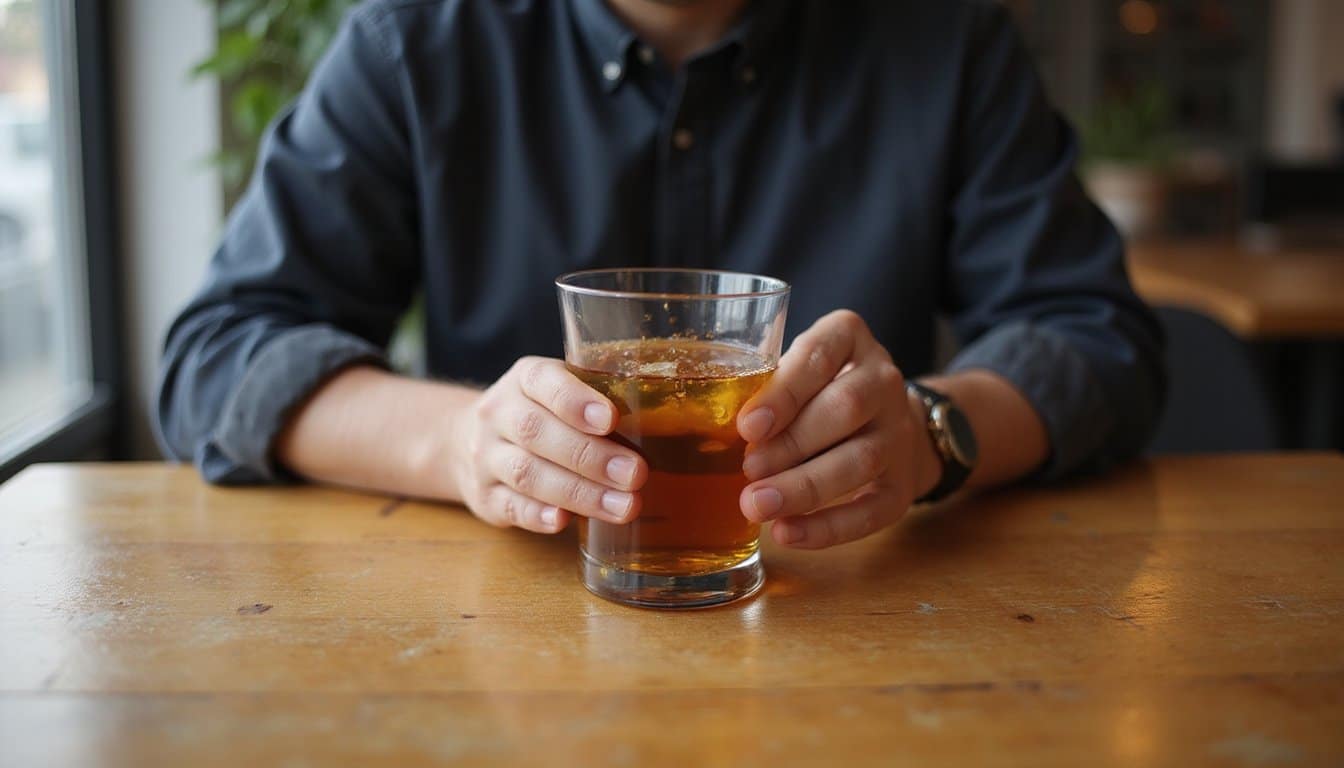
If you’re a chronic heavy drinker or have liver disease, you face the highest risk of serious harm from combining DayQuil and alcohol. Your liver already works harder to process alcohol, and adding acetaminophen creates dangerous competition for the same metabolic pathways. This combination can push a compromised liver toward acute failure, even at standard DayQuil doses.
Chronic Heavy Drinkers
Why does chronic heavy drinking create such dangerous conditions for DayQuil use? Your liver’s protective mechanisms become compromised through liver enzyme induction, which accelerates acetaminophen’s conversion into toxic NAPQI. Simultaneously, alcohol depletes glutathione, the compound your liver needs to neutralize this harmful metabolite.
If you consume three or more drinks daily, even standard DayQuil doses can trigger unintended acetaminophen overdose. Your liver, already stressed from processing alcohol, struggles to metabolize both substances safely. This forces dangerous NAPQI accumulation that destroys liver cells.
You must recognize liver failure warning signs: jaundice, abdominal pain, confusion, and extreme fatigue. Procter & Gamble explicitly advises against alcohol use with their product, particularly for chronic heavy drinkers. The cardiovascular strain from phenylephrine combined with alcohol further compounds your health risks.
Liver Disease Patients
Patients with pre-existing liver disease face the highest risk category when combining DayQuil and alcohol. Your compromised liver function already struggles to process toxins effectively, making acetaminophen metabolism particularly dangerous.
If you have PreExistingLiverConditions, your liver can’t handle the dual burden of breaking down both substances. Alcohol intensifies stress on your already weakened organ, while acetaminophen’s toxic metabolites accumulate faster than your body can neutralize them.
Manufacturer guidelines explicitly warn against DayQuil use in liver disease cases. The synergistic effects between alcohol and acetaminophen create accelerated damage pathways in diseased livers. You’re at heightened risk for rapid progression from manageable symptoms to severe hepatic injury or complete failure. If you have any liver condition, avoid this combination entirely and consult your physician about safer alternatives. While it might seem harmless, can you get buzzed off dayquil is a misconception that could lead to serious health issues. Many individuals underestimate the risks of mixing over-the-counter medications with alcohol, mistakenly believing it poses little danger. It’s crucial to prioritize your health and choose remedies that won’t exacerbate any underlying conditions.
How Alcohol Turns DayQuil Into a Liver Toxin
The liver processes acetaminophen, DayQuil’s active pain-relieving ingredient, into several byproducts, most of which your body eliminates harmlessly through urine. However, one metabolite called NAPQI is highly toxic to liver cells. Under normal conditions, your liver produces glutathione, an antioxidant that neutralizes NAPQI before it causes damage.
Alcohol disrupts this protective mechanism. When you drink, your liver’s glutathione production drops considerably, allowing NAPQI to accumulate and attack liver cells. This process can trigger overdose symptoms even at standard DayQuil doses.
Your liver must simultaneously process both toxins, creating compounding metabolic stress. Heavy drinkers face accelerated fatty liver progression from this dual burden. Meanwhile, DayQuil’s dextromethorphan combined with alcohol intensifies CNS depression, causing respiratory suppression, impaired coordination, and confusion, multiplying your risk of serious harm.
Why This Combination Can Lead to Liver Transplants

Severe liver damage from combining acetaminophen and alcohol doesn’t always resolve on its own, sometimes the only treatment option is a new liver.
Acetaminophen abuse accounts for half of acute liver failure cases in the U.S., with 7% of patients requiring transplantation. When you combine regular drinking with acetaminophen-containing products like DayQuil, you’re drastically elevating your alcohol dependence risk and liver damage potential.
Key transplant statistics you should know:
- Alcoholics taking 3.5-11g of acetaminophen daily developed hepatotoxicity, with three cases proving fatal
- NyQuil ingestion containing 14g acetaminophen caused acute liver failure requiring potential transplant
- Alcohol-associated liver disease now represents 41.1% of all liver transplant recipients
- Acetaminophen hepatotoxicity cases at major centers increased from 58 to 123 annually
Drowsiness, Dizziness, and Impaired Coordination
When you combine DayQuil’s dextromethorphan with alcohol, both substances depress your central nervous system simultaneously, intensifying sedative effects beyond what either produces alone. You’ll experience pronounced drowsiness, dizziness, and significant impairment of your coordination and motor skills during the 4-6 hours DayQuil remains active. This combination dramatically increases your risk of falls, accidents, and injuries, particularly if you attempt to drive or operate machinery.
Sedative Effects Intensified
Combining DayQuil with alcohol intensifies sedative effects beyond what either substance produces alone. Both substances act as central nervous system depressants, creating sedation potentiation that greatly impairs your functioning. Dextromethorphan’s sedative properties become amplified when you consume alcohol, increasing dextromethorphan abuse risk and potential respiratory depression.
The combined depressant action can lead to dangerous levels of sedation, including unconsciousness in severe cases.
Key risks you should understand:
- Your drowsiness multiplies as both substances independently cause sleepiness, then compound together
- Dizziness and vertigo worsen due to phenylephrine-alcohol interactions affecting your vestibular system
- Motor coordination deteriorates beyond individual substance effects, increasing fall and injury risk
- Cognitive impairment deepens, reducing your concentration and mental clarity
You shouldn’t operate vehicles or machinery when combining these substances.
Accident Risk Increases
The combination of DayQuil and alcohol dramatically elevates your accident risk through three compounding mechanisms: drowsiness, dizziness, and impaired coordination. Dextromethorphan intensifies alcohol-induced sedation, while phenylephrine contributes to faintness and balance loss. These impaired motor skills make everyday activities hazardous.
| Mechanism | Primary Cause | Consequence |
|---|---|---|
| Drowsiness | Dextromethorphan + alcohol | Slowed reaction time |
| Dizziness | Phenylephrine + dehydration | Loss of balance |
| Poor coordination | CNS depression | Falls and injuries |
| Cognitive impairment | Combined sedation | Poor decision-making |
| Delayed reflexes | Compounded effects | Driving accidents |
Regarding driving impairment specifics, you’ll experience delayed reaction times, compromised judgment, and potential loss of vehicle control. This accident risk elevation occurs because you won’t recognize your impaired state until consequences emerge.
Stomach Pain, Nausea, and Digestive Reactions
Both alcohol and DayQuil irritate the stomach lining independently, but their combined use intensifies gastrointestinal distress substantially. You’ll experience heightened gastrointestinal irritation when these substances interact, leading to nausea and vomiting that can range from mild to severe. Dextromethorphan, DayQuil’s cough suppressant, contributes directly to these symptoms when alcohol enters your system.
Mixing alcohol with DayQuil significantly amplifies stomach irritation, causing nausea and vomiting due to their combined effects on your digestive system.
Your stomach discomfort and digestive issues worsen because acetaminophen-related upset becomes more pronounced with alcohol present. Consider these protective measures:
- Take DayQuil with food or light snacks like crackers to reduce nausea
- Drink water before and after taking DayQuil
- Wait until DayQuil’s 4-6 hour active period ends before consuming alcohol
- Follow recommended dosages strictly to minimize digestive side effects
Avoiding alcohol entirely while taking DayQuil remains your safest option.
Liver Damage Symptoms You Need to Recognize
Your liver often signals distress before serious damage occurs, so recognizing early warning signs like persistent fatigue, unusual itching, and digestive discomfort can prompt timely medical intervention. As damage progresses, more severe indicators emerge, including jaundice (yellowing of skin and eyes), abdominal swelling from fluid retention, and confusion caused by toxin buildup in your bloodstream. If you’ve been combining DayQuil and alcohol and notice any of these symptoms, you should seek medical evaluation immediately.
Early Warning Signs
When liver damage begins to develop from combining DayQuil and alcohol, your body often sends warning signals that shouldn’t be ignored. CYP2E1 activation from alcohol consumption accelerates toxic metabolite formation, overwhelming your liver’s protective mechanisms.
Watch for these critical early indicators:
- Yellowing of your skin or the whites of your eyes
- Dark-colored urine that persists
- Upper right abdominal pain or discomfort
- Unusual fatigue accompanied by loss of appetite
These symptoms indicate potential liver injury biomarkers are heightened. You may also experience nausea, vomiting, or generalized itching. Pale skin and easy bruising suggest your liver’s function is compromised.
Don’t dismiss these signs as minor discomfort. If you’ve combined DayQuil with alcohol and notice any combination of these symptoms, seek medical evaluation promptly.
Severe Damage Indicators
Severe liver damage from combining DayQuil and alcohol produces unmistakable warning signs that demand immediate medical attention. Jaundice, characterized by yellowing of your skin and eyes, indicates your liver can’t process bilirubin properly. This signals advanced hepatocyte damage requiring urgent evaluation.
| Symptom | What It Indicates |
|---|---|
| Jaundice | Bilirubin buildup from liver dysfunction |
| Abdominal pain | Upper right quadrant inflammation from NAPQI toxicity |
| Nausea vomiting | Liver processing failure and toxin accumulation |
You’ll notice abdominal pain localized to your upper right side, often accompanied by tenderness and swelling. Persistent nausea vomiting reflects your liver’s inability to detoxify harmful substances effectively. These symptoms typically worsen with continued exposure to acetaminophen and alcohol. Don’t dismiss these indicators, they represent serious hepatic stress requiring professional medical intervention.
How Long to Wait Before Drinking Alcohol
How long should you wait between taking DayQuil and drinking alcohol? The minimum wait time after DayQuil is at least 4-6 hours, though most clinical sources recommend 6 hours for ideal safety. Understanding alcohol duration in body helps you make informed decisions, a single drink typically clears your system within 2-3 hours.
Key timing considerations:
- Wait 6 hours after your last DayQuil dose before consuming any alcohol
- If you’ve taken multiple doses throughout the day, extend your wait time accordingly
- After drinking, wait at least 24 hours before taking DayQuil to avoid overdose warning signs
- Individual factors like liver function, age, and metabolism affect clearance rates
You shouldn’t rely on universal timelines. If you have liver problems or drink heavily, consult your healthcare provider before combining these substances.
When to Call a Doctor or Seek Emergency Care
Recognizing dangerous symptoms early can save your life if you’ve combined DayQuil and alcohol. Emergency symptoms awareness is critical, seek immediate medical attention if you experience trouble breathing, slow or shallow respirations, seizures, or loss of consciousness. These signs indicate potentially life-threatening respiratory depression.
Call 911 or visit an emergency room if you notice yellowing skin or eyes, severe abdominal pain, or unusual bruising. These symptoms suggest serious liver damage requiring urgent evaluation and increase your hospitalization risk greatly.
Contact poison control guidance at 1-800-222-1222 if you’re experiencing confusion, hallucinations, or extreme drowsiness. Don’t wait for symptoms to worsen. Fast or irregular heartbeat, persistent vomiting, and intense stomach pain also warrant professional evaluation. When in doubt, err on the side of caution and seek help immediately.
Take the First Step Toward Recovery.
When Prescription Drug addiction takes over, it can feel like there is no way out, but hope is never out of reach. NJ Addiction Hotline is dedicated to connecting you or your loved one with the right prescription drug Addiction Treatment Programs to rebuild balance and well-being. Call (609) 293-5961 today and start building the life you deserve.
Frequently Asked Questions
Can I Take Dayquil if I Drank Alcohol the Night Before?
You should wait until the alcohol fully clears your system before taking DayQuil. Since alcohol remains in your body for 2-3 hours per drink, you’ll need to calculate your clearance time based on how much you consumed. Your liver metabolizes both substances, and combining them increases toxicity risks, even hours apart. If you drank heavily, consult a healthcare professional before taking DayQuil to avoid liver strain or dangerous interactions.
Does Dayquil Interact With Other Medications Besides Alcohol?
Yes, DayQuil interacts with several medications beyond alcohol. You should avoid MAOIs like phenelzine or selegiline, as they can cause dangerous reactions with dextromethorphan and phenylephrine. Acetaminophen interacts with warfarin, carbamazepine, and isoniazid. Phenylephrine may worsen hypertension if you’re taking blood pressure medications or tricyclic antidepressants. You’ll also want to avoid other acetaminophen-containing products to prevent liver damage. Always consult your healthcare provider before combining medications.
Is Alcohol-Free Dayquil Safe to Use While Drinking?
No, alcohol-free DayQuil isn’t safe to use while drinking. The formulation still contains acetaminophen, which strains your liver when combined with alcohol, even one drink increases toxicity risk. Dextromethorphan can intensify CNS depression, causing drowsiness, impaired coordination, and slowed breathing. Phenylephrine may elevate your heart rate and blood pressure further. You should avoid alcohol entirely while DayQuil remains active in your system, typically 4-6 hours after dosing.
Can One Drink With Dayquil Really Cause Liver Damage?
A single drink with DayQuil probably won’t cause liver damage on its own, but it does increase your risk. Here’s why: alcohol reduces your liver’s glutathione, which normally neutralizes acetaminophen’s toxic byproduct (NAPQI). Without enough glutathione, NAPQI accumulates and damages liver cells. If you’re a chronic heavy drinker (3+ drinks daily), your risk rises considerably. To stay safe, wait 4-6 hours after taking DayQuil before consuming alcohol.
Will Coffee or Water Help Flush Dayquil and Alcohol Faster?
Neither coffee nor water will flush DayQuil or alcohol from your system faster. Your liver metabolizes both substances at a fixed rate, no beverage can accelerate this process. Coffee may actually increase cardiovascular strain and mask dangerous drowsiness, creating false alertness. While staying hydrated supports organ function, it won’t speed clearance. DayQuil remains active for 4-6 hours; alcohol takes 2-3 hours per drink. You’ll need to wait for natural metabolic processing.