



Why Your Body Aches After Drinking Alcohol
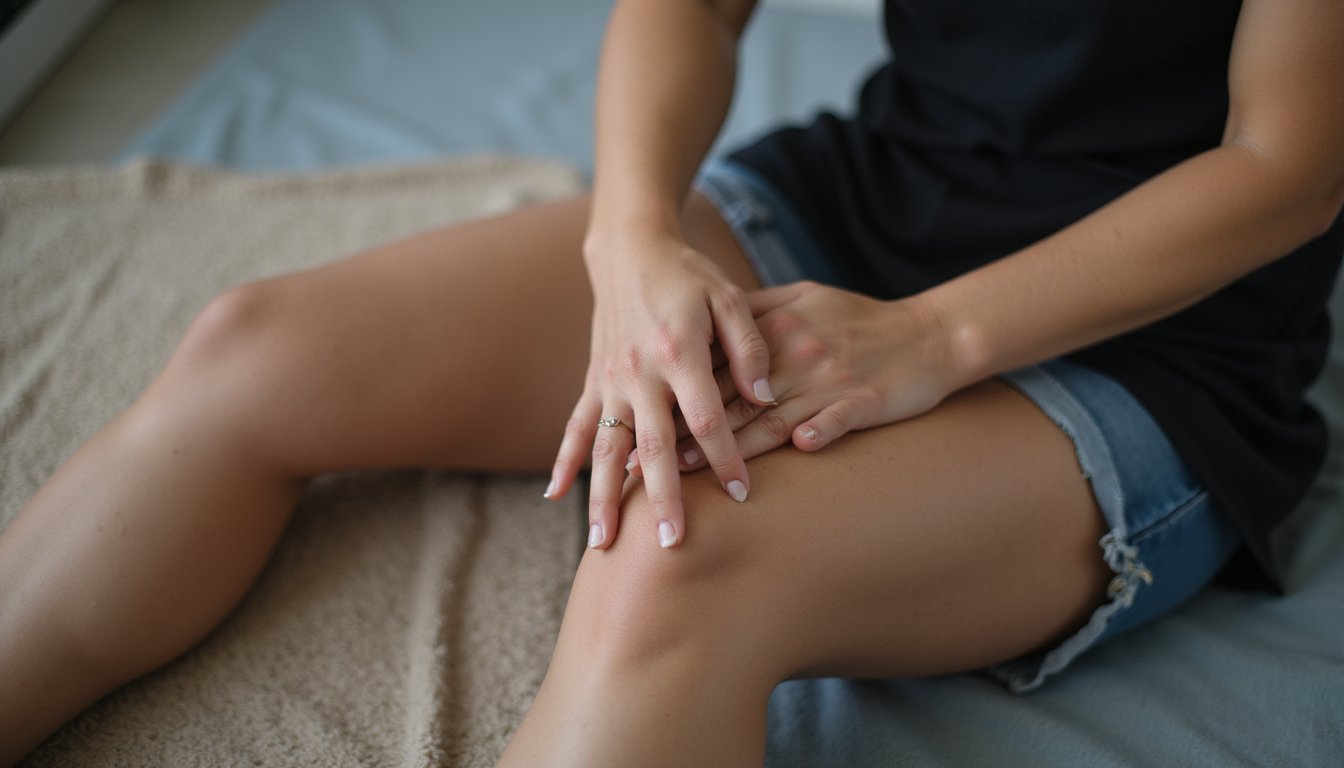
Alcohol triggers a cascade of physiological responses that explain why your body aches the morning after drinking. Your body recognizes ethanol as a toxic substance, initiating systemic inflammation that directly affects muscular tissues. This inflammatory response increases pro-inflammatory cytokines, contributing to widespread soreness. Alcohol triggers a cascade of physiological responses that explain hangover body aches the morning after drinking. Your body recognizes ethanol as a toxic substance, initiating systemic inflammation that directly affects muscular tissues. This inflammatory response increases pro-inflammatory cytokines, contributing to widespread soreness.
Leg pain after drinking alcohol often results from lactic acid accumulation. Your body prioritizes metabolizing alcohol over clearing metabolic waste, allowing lactic acid to build up in muscles. Simultaneously, alcohol acts as a diuretic, depleting electrolytes including potassium, magnesium, and calcium essential for proper muscle function. This electrolyte depletion can impair protein synthesis for over 13 hours, limiting your muscles’ ability to repair and rebuild. Leg pain after drinking alcohol often results from lactic acid accumulation, a key contributor to muscle and joint pain after drinking. Your body prioritizes metabolizing alcohol over clearing metabolic waste, allowing lactic acid to build up in muscles. Simultaneously, alcohol acts as a diuretic, depleting electrolytes including potassium, magnesium, and calcium essential for proper muscle function. This electrolyte depletion can impair protein synthesis for over 13 hours, limiting your muscles’ ability to repair and rebuild.
Bone pain after drinking stems from alcohol’s interruption of calcium absorption and reduced synovial fluid production. These combined mechanisms, inflammation, metabolic disruption, and mineral depletion, create the characteristic full-body aches you experience post-consumption. Additionally, many individuals report feeling whole body sore after drinking as a result of dehydration and the body’s struggle to recover from the effects of alcohol. The combination of these factors can lead to a hangover that exacerbates discomfort throughout the entire body. Consequently, maintaining hydration and moderating alcohol intake may help alleviate some of these symptoms.
When Pain After Drinking Signals Something Serious
When does post-drinking pain cross from typical hangover discomfort into warning territory?
Persistent leg pain after drinking alcohol that worsens over time may indicate alcoholic neuropathy, the most common neurological complication of alcohol use disorder. You’ll notice bilateral numbness, pins-and-needles sensations, and progressive muscle weakness. Nerve pain alcohol causes typically affects small fibers first, creating burning or stabbing sensations in your extremities.
Alcoholic neuropathy starts subtly, burning sensations and numbness in your feet signal nerve damage that worsens without intervention.
Sudden, severe joint pain with swelling suggests a gout flare-up triggered by elevated uric acid levels. Beer is particularly problematic because it contains high levels of purines that are broken down in the body, contributing to uric acid buildup. If you’re experiencing proximal muscle tenderness and weakness, alcoholic myopathy requires evaluation.
Dangerous drug interactions demand immediate attention. Combining alcohol with acetaminophen risks liver failure, while aspirin increases gastric bleeding. Pain localized to lymph nodes after drinking can signal Hodgkin’s disease, requiring urgent medical assessment. Additionally, alcohol interferes with circadian rhythm and inhibits REM sleep, which impairs the body’s ability to repair and heal, potentially intensifying your pain symptoms.
How Alcohol Triggers Inflammation and Joint Pain
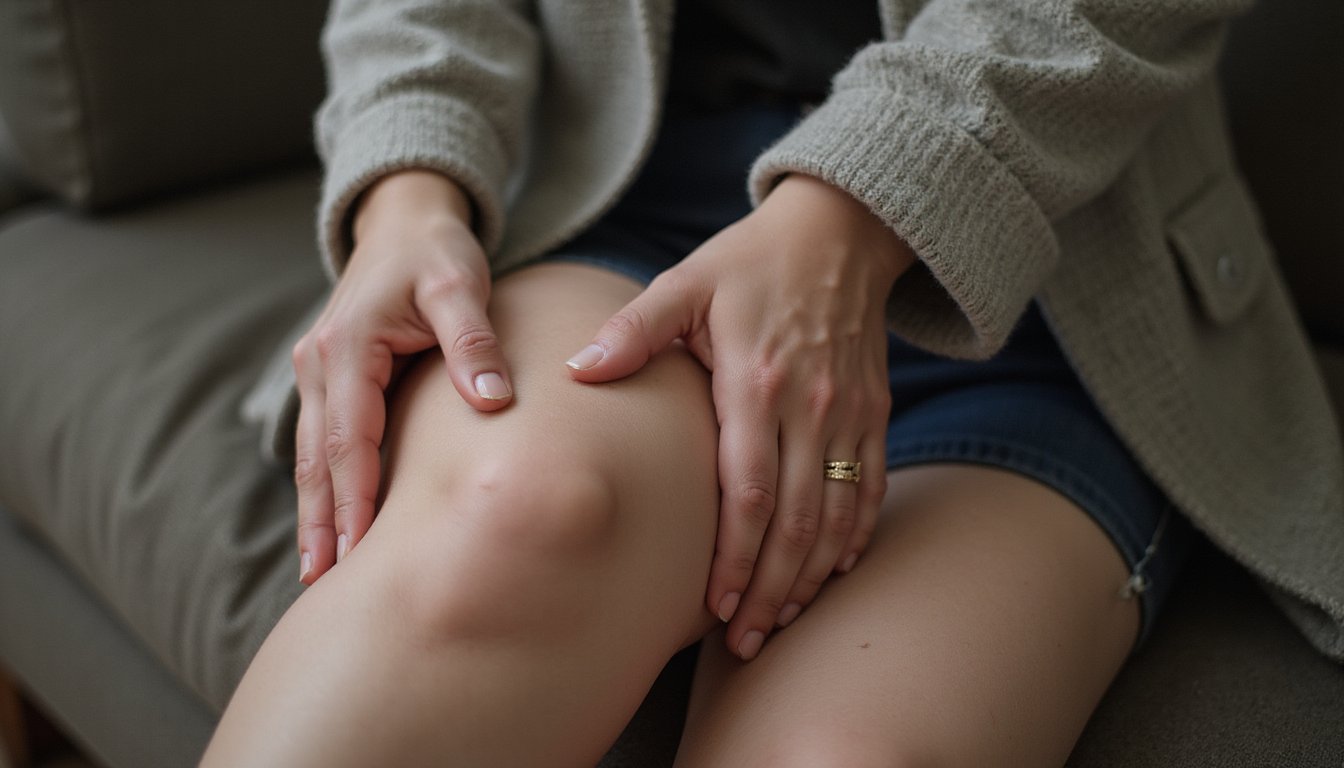
Beyond recognizing warning signs, understanding the biological mechanisms behind alcohol-related joint pain helps explain why your body responds the way it does. When you drink, your body produces pro-inflammatory cytokines that directly attack joint tissue, causing swelling and stiffness.
Chronic alcohol consumption activates catabolic signaling pathways, specifically pPKCδ, pNF-κB, and pERK1/2, that trigger cartilage-destructive enzymes. Simultaneously, alcohol suppresses protective anabolic mediators like TIMP-3 and SOX-9, impairing your cartilage’s ability to repair itself. For individuals with osteoarthritis, these inflammatory effects can accelerate cartilage deterioration and contribute to disease progression. Research shows that alcohol-fed mice displayed reduced proteoglycan content and irregular cartilage surfaces compared to control groups.
Joint pain alcohol connections extend to oxidative stress. Heavy drinking generates free radicals that damage cartilage and accelerate degeneration. If you experience leg pain after drinking alcohol, these inflammatory processes may be affecting weight-bearing joints. Alcohol also elevates uric acid levels and interferes with arthritis medications, worsening pre-existing conditions and reducing treatment efficacy.
Why Dehydration Causes Muscle Cramps After Drinking
How exactly does a night of drinking leave your muscles seizing up the next morning? Alcohol suppresses vasopressin, triggering excessive urination and rapid fluid loss. This dehydration reduces blood volume and oxygen delivery to your muscles, causing stiffness and impaired function.
The mechanisms driving post-drinking muscle cramps include:
- Electrolyte depletion of magnesium, potassium, and calcium through increased urination disrupts normal contraction-relaxation cycles
- Impaired calcium handling in muscle fibers reduces contractile strength and triggers involuntary spasms
- Disrupted sodium-potassium balance directly causes cramping and poor muscle coordination
Your fast-twitch muscle fibers suffer the greatest dysfunction from these combined effects. Dehydration peaks during hangovers as your body attempts to rehydrate while processing alcohol metabolites, leaving muscles weak, cramped, and prone to strains. Research shows a strong association between alcohol intake and nocturnal leg cramps in individuals over 60 years old, with an odds ratio of 6.5 indicating significantly elevated risk in this population. Additionally, acetaldehyde accumulation from alcohol metabolism intensifies the inflammatory response, amplifying muscle discomfort and making cramps feel more painful.
How to Prevent Pain the Next Time You Drink
What practical steps can you take to minimize alcohol-related pain before it starts? Research indicates maintaining blood alcohol content below intoxicating levels reduces pain exacerbation risk while potentially providing modest analgesic effects.
To address leg pain after drinking alcohol, rehydrate before during after consumption. This strategy counters dehydration-related muscle cramping and circulatory disruption that intensifies discomfort in weight-bearing structures.
Incorporate physical therapy exercises targeting vulnerable areas, lower back, knees, and leg muscles. Strengthening these regions builds resilience against alcohol-induced inflammation and nerve irritation. Physical therapy can also help with techniques to alleviate pain that complement your prevention efforts.
Consider timing your intake with food to slow absorption rates. Consult your healthcare provider about individualized prevention strategies, particularly if you have existing joint or neuropathic conditions. They’ll assess whether moderate consumption aligns with your pain management goals. Be aware that relying on alcohol for pain relief is problematic since the consumption needed for sustained moderate-to-large analgesia exceeds safe drinking guidelines in most countries.
Frequently Asked Questions
Can Alcohol-Induced Leg Pain Indicate Early Signs of Vein Disease?
Yes, alcohol-induced leg pain can signal early vein disease. When you drink, vasodilation forces your veins to work harder, particularly in your lower extremities. You’ll notice blood pooling causes swelling, heaviness, and aching, classic early warning signs. Alcohol’s diuretic effect thickens your blood, impairing venous return and straining valve function. If you’re experiencing recurring leg pain after drinking, you should consider vascular evaluation to assess your venous integrity.
Why Does Even a Small Amount of Alcohol Trigger Bone Pain in Some People?
Even small amounts of alcohol can trigger your bone pain because your body rapidly generates reactive oxygen species and pro-inflammatory cytokines like TNF-α and IL-6. If you carry ALDH2 gene variants, you’ll clear acetaldehyde more slowly, intensifying inflammation. Alcohol also spikes uric acid levels by impairing renal clearance and suppresses protective factors like TIMP-3 and SOX-9 immediately upon metabolism, disrupting cartilage homeostasis and accelerating bone tissue degradation.
Is Leg Pain After Drinking Linked to Restless Leg Syndrome?
No direct evidence links leg pain after drinking to restless leg syndrome. While alcohol disrupts sleep and heightens pain sensitivity, potentially mimicking restless leg symptoms, the conditions differ mechanistically. Restless leg syndrome produces crawling sensations relieved by movement, whereas alcohol-induced leg pain typically stems from neuropathy, myopathy, or circulatory changes causing burning, stabbing, or throbbing sensations. If you’re experiencing persistent leg discomfort after drinking, you should consider alcoholic neuropathy or myopathy as more likely causes.
Can Alcohol Worsen Degenerative Disc Disease and Cause Back Spasms?
Yes, alcohol can worsen degenerative disc disease and trigger back spasms through multiple mechanisms. It dehydrates your intervertebral discs, reducing their elasticity and cushioning capacity. Alcohol suppresses vasopressin, depleting muscle moisture and promoting spasms in your lower back. It also triggers systemic inflammation, with elevated neurotrophin levels (NT-3, NT-4) detected in affected disc samples. Additionally, alcohol impairs calcium absorption and reduces blood flow, depriving your spinal structures of essential nutrients.
Does Alcohol-Related Muscle Atrophy Affect Specific Muscle Fiber Types?
Yes, alcohol-related muscle atrophy targets specific fiber types depending on exposure pattern. Chronic alcohol use selectively damages Type II (fast-twitch) fibers, reducing muscle mass by up to 30% while sparing Type I fibers. Conversely, acute binge drinking injures Type I (slow-twitch, oxidative) fibers, causing sudden rhabdomyolysis. Research confirms impaired protein synthesis, increased oxidative damage, and depleted alpha-tocopherol levels drive this fiber-specific atrophy, independent of nutritional status or liver dysfunction.