



You should wait at least 24 hours after drinking before taking DayQuil to guarantee alcohol has fully cleared your system. If you’ve had only one drink and you’re otherwise healthy, a minimum of 6-8 hours may provide some safety margin. Both alcohol and DayQuil’s acetaminophen compete for the same liver detoxification pathways, increasing your risk of toxicity. Understanding exactly why this combination strains your liver can help you make safer choices. You should wait at least 24 hours after drinking before taking DayQuil to guarantee alcohol has fully cleared your system. If you’ve had only one drink and you’re otherwise healthy, a minimum of 6, 8 hours may provide some safety margin. Both alcohol and DayQuil’s acetaminophen compete for the same liver detoxification pathways, increasing your risk of toxicity. This is why many people ask how long after taking DayQuil can I drink alcohol, since understanding exactly why this combination strains your liver can help you make safer choices.
How Long to Wait After Drinking to Take DayQuil
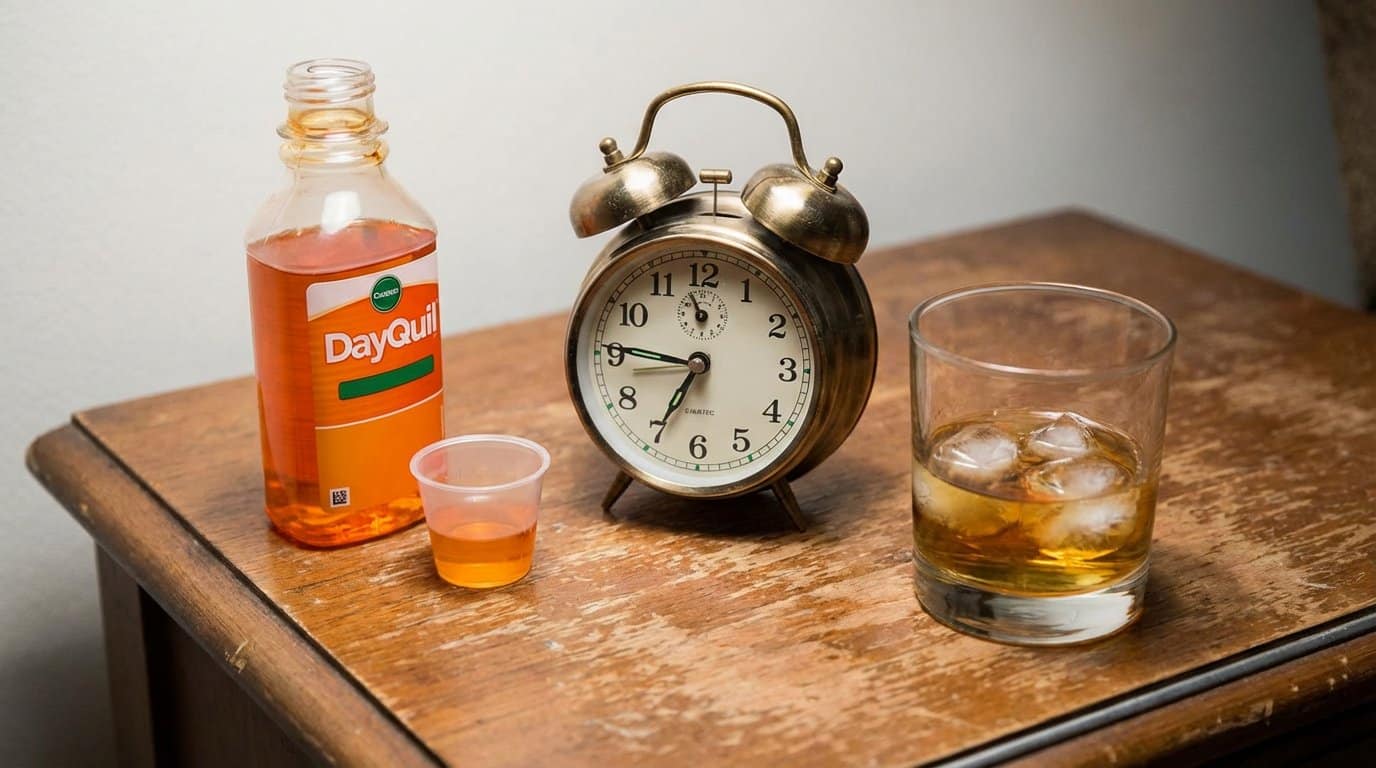
The safest approach is to wait at least 24 hours after drinking alcohol before taking DayQuil. This timeframe allows complete alcohol clearance time and minimizes liver stress from processing both substances. Mixing these substances can lead to an immediate overdose, making patience essential for your safety.
Your alcohol metabolism times vary based on body composition, hydration levels, and how much you consumed. A single drink typically clears in 2-3 hours, but multiple drinks extend this beyond 6 hours. Your liver prioritizes metabolizing alcohol before other substances, which delays medication processing. This is particularly important because DayQuil contains acetaminophen, and acetaminophen overdose is the leading cause of acute liver failure in the U.S.
If you can’t wait 24 hours, a minimum of 6-8 hours provides some safety margin for light drinking. However, you should consult a healthcare professional for personalized guidance, especially if you drink regularly or have compromised liver function. Watch for persistent nausea, dizziness, or headache indicating active alcohol. The combination of alcohol with dextromethorphan, another active ingredient in DayQuil, can cause impaired thinking and judgment along with increased drowsiness.
One Drink vs. Several: Adjusting Your Wait Time
Because alcohol metabolism follows predictable patterns, you can adjust your wait time based on consumption volume.
Your body processes alcohol at a consistent rate, so drinking more means waiting longer before safely taking DayQuil.
Single Drink Duration
A single drink typically clears your system within 2-3 hours. However, you should wait a minimum of 4 hours before taking DayQuil to minimize acetaminophen interaction. This buffer accounts for DayQuil’s 4-6 hour active period and reduces liver strain.
Several Drinks Duration
Multiple drinks substantially extend clearance time beyond the standard 2-3 hours per drink. Your liver faces increased workload processing both alcohol and acetaminophen simultaneously. Wait at least 6 hours, or a full 24-hour period, after several drinks before taking DayQuil.
The risks scale proportionally: several drinks heighten CNS depression from dextromethorphan, compound phenylephrine’s blood pressure effects, and increase gastrointestinal distress. Don’t underestimate cumulative alcohol’s impact on medication safety.
Can You Drink After Taking DayQuil Instead?
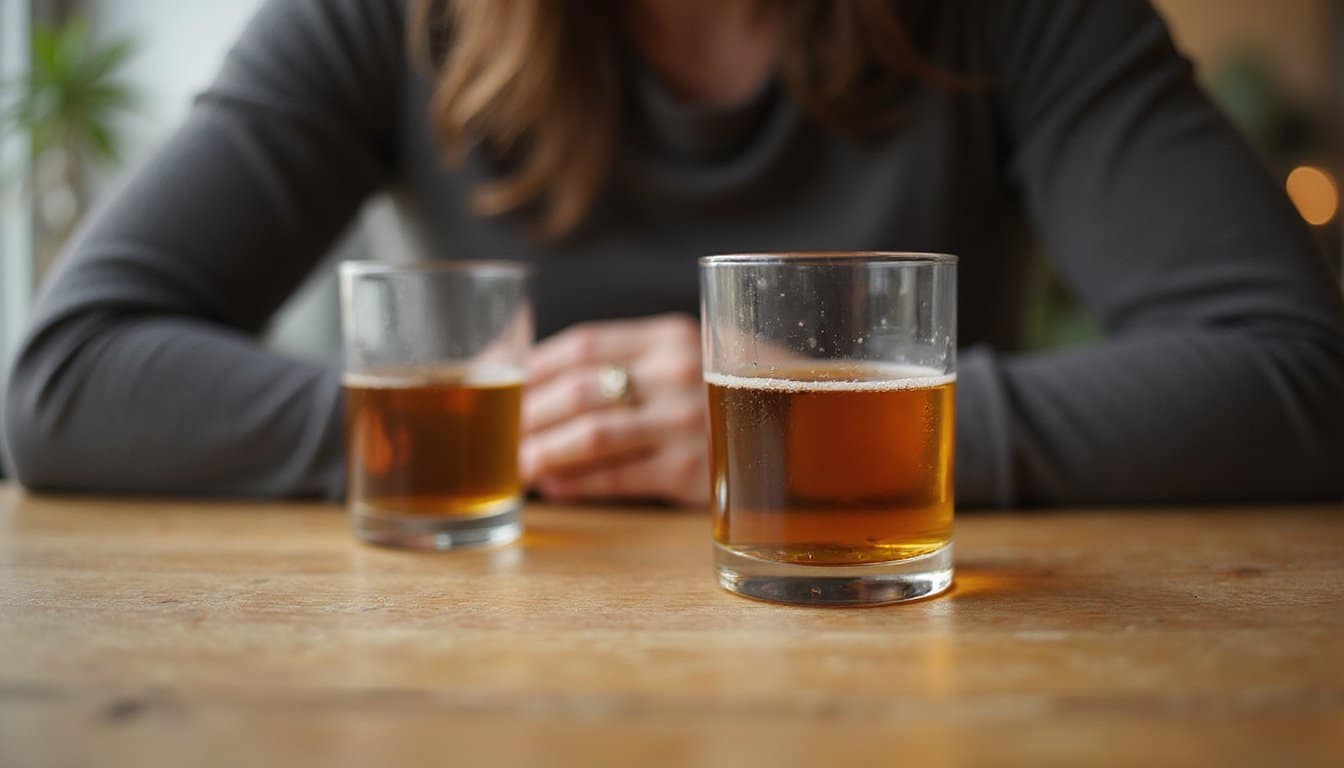
If you’re considering drinking alcohol after taking DayQuil instead of before, you’ll face the same interaction risks in reverse order. You should wait at least four hours after your last DayQuil dose before consuming any alcohol, as acetaminophen remains active in your system during this window. The strain on your liver doesn’t change based on which substance you take first, combining them in either sequence forces your liver to process both simultaneously, increasing your risk of damage.
Reverse Order Same Risks
Whether you take DayQuil before drinking or drink before taking DayQuil, the risks remain fundamentally identical. Your liver processes both substances through similar pathways, creating strain regardless of sequence. Alcohol metabolism variability means the timeline differs for each person, but the danger doesn’t diminish.
| Risk Factor | Drinking First | DayQuil First |
|---|---|---|
| Liver Toxicity | High | High |
| CNS Depression | Present | Present |
| Cardiovascular Stress | Heightened | Heightened |
Following alcohol safety guidelines means avoiding this combination entirely. Acetaminophen’s liver burden compounds with alcohol’s toxic metabolites in either direction. Dextromethorphan intensifies sedation whether alcohol precedes or follows your dose. Phenylephrine still spikes your blood pressure. The sequence changes nothing, your body faces identical processing demands and organ stress.
Wait Four Hours Minimum
Waiting at least four hours after taking DayQuil before consuming alcohol represents the absolute minimum safety threshold, and even this timeframe carries significant risk. DayQuil remains active in your system for four to six hours, meaning its ingredients continue processing through your liver during this window. Acetaminophen’s toxic metabolites can still interact dangerously with alcohol, potentially causing severe liver damage.
You’ll reduce alcohol-related complications by extending your wait time beyond four hours whenever possible. Safe medication timing requires accounting for individual factors like metabolism, hydration, and liver health. Vicks explicitly warns against combining their product with alcoholic beverages due to documented organ damage risks. If you experience persistent drowsiness, nausea, or heightened heart rate after taking DayQuil, delay alcohol consumption until these symptoms completely resolve.
Liver Strain Remains Constant
Because your liver processes both acetaminophen and alcohol through the same metabolic pathways, the strain on this essential organ remains constant regardless of which substance you consume first. The liver detox burden increases considerably when handling both substances, even hours apart.
When you drink after taking DayQuil, your liver must still metabolize acetaminophen’s byproducts while processing alcohol. This dual workload damages liver cells and elevates liver health risk factors immensely. Vicks explicitly warns against combining these substances due to severe liver damage potential.
Alcohol interferes with how your body breaks down acetaminophen, creating toxic metabolites that accumulate in liver tissue. The damage occurs whether you drink before or after your dose. Wait at least 24 hours after taking DayQuil before consuming any alcoholic beverages to protect your liver function.
Why This Combo Hits Your Liver Hard

When your liver processes acetaminophen, it creates a toxic byproduct called NAPQI that your body normally neutralizes with glutathione. Alcohol depletes your glutathione stores while simultaneously forcing your liver to work overtime metabolizing two substances at once. This double strain allows NAPQI to accumulate and damage liver cells, which is why acetaminophen overdose combined with alcohol ranks as a leading cause of acute liver failure.
Acetaminophen’s Toxic Buildup
Acetaminophen undergoes a critical transformation in your liver that explains why mixing DayQuil with alcohol poses such significant danger. During normal acetaminophen metabolism, your liver converts over 90% of the drug into harmless compounds. However, a small fraction becomes NAPQI, a highly reactive toxin that damages liver cells. Acetaminophen undergoes a critical transformation in your liver that explains why mixing DayQuil with alcohol poses such significant danger. During normal acetaminophen metabolism, your liver converts over 90% of the drug into harmless compounds. However, a small fraction becomes NAPQI, a highly reactive toxin that damages liver cells. This is why many medical guidelines warn against combining them and emphasize the question should you mix DayQuil and alcohol, since doing so significantly increases the risk of liver toxicity.
Your body relies on glutathione to neutralize NAPQI before it causes harm. When you’ve been drinking, glutathione depletion accelerates because alcohol consumption impairs your liver’s ability to produce and maintain adequate stores. This creates a dangerous gap in your defenses.
Without sufficient glutathione, NAPQI accumulates and binds to liver proteins, triggering oxidative stress and mitochondrial dysfunction. The resulting cellular damage can progress to hepatocellular necrosis, particularly when alcohol has already compromised your liver’s protective mechanisms.
Double Metabolism Strain
Your liver faces a punishing double burden when alcohol and acetaminophen arrive together, as both substances compete for the same detoxification pathways and protective resources. This drug metabolism competition overwhelms hepatocytes, slowing the breakdown of harmful byproducts.
Alcohol metabolism takes priority, forcing acetaminophen processing to wait. Meanwhile, CYP2E1 enzymes, augmented by drinking, convert more acetaminophen into NAPQI, a toxic metabolite. Normally, glutathione neutralizes NAPQI before it damages cells. However, alcohol depletes these glutathione reserves, leaving your liver vulnerable.
The result: NAPQI accumulates faster than your body can eliminate it. Hepatocyte damage follows within hours. Chronic drinkers face heightened risk because their CYP2E1 activity remains heightened even after alcohol clears. This metabolic strain explains why acetaminophen toxicity causes nearly half of acute liver failure cases in North America.
Alcohol Amplifies Liver Damage
Combining alcohol with acetaminophen creates a biochemical environment where liver damage becomes far more likely. The alcohol interference mechanism disrupts how your body processes DayQuil’s active ingredient. Normally, your liver converts acetaminophen into NAPQI, a toxic byproduct that glutathione quickly neutralizes. However, alcohol depletes your glutathione stores, allowing NAPQI to accumulate and attack liver cells.
This acetaminophen liver toxicity risk increases dramatically if you drink three or more alcoholic beverages daily. Chronic drinking lowers your safe acetaminophen threshold substantially below the standard 3,000 mg daily limit. Each DayQuil LiquiCap contains 325 mg of acetaminophen, meaning multiple doses can push you toward dangerous territory faster than you’d expect.
Watch for warning signs: jaundice, upper right abdominal pain, nausea, and unusual fatigue. These symptoms may develop quietly before becoming severe.
The Hidden Danger: Acetaminophen Plus Alcohol
When you take DayQuil after drinking, you’re asking your liver to handle two potentially harmful substances at once. This creates dangerous liver enzyme competition as your body processes both toxins through the same metabolic pathways.
Mixing DayQuil and alcohol forces your liver into a dangerous competition, processing two harmful substances through identical pathways simultaneously.
Here’s what happens: acetaminophen converts to a harmful byproduct called NAPQI during breakdown. Normally, your liver neutralizes it quickly. But alcohol disrupts this process, causing NAPQI to accumulate and damage liver cells.
The acetaminophen and alcohol warning exists for good reason. This combination accounts for 50% of acute liver failure cases in North America and drives 20% of liver transplants in the United States. The FDA specifically cautions anyone consuming three or more alcoholic drinks daily against using acetaminophen-containing products.
You’re also risking kidney damage, stomach bleeding, and pancreatitis from this interaction.
Warning Signs You Took DayQuil Too Soon After Drinking
Recognizing the warning signs of a dangerous DayQuil-alcohol interaction can help you seek medical attention before serious harm occurs.
Central Nervous System Interaction Symptoms
Watch for severe drowsiness, dizziness, or difficulty concentrating. You may experience impaired coordination, slurred speech, or slowed breathing. These indicate your body’s struggling to process both substances simultaneously.
Gastrointestinal Distress
Nausea, vomiting, or stomach pain suggest your liver’s under significant stress. Don’t dismiss these symptoms as typical hangover effects.
Alcohol Residual Effects to Monitor
If you’re experiencing rapid heartbeat, heightened blood pressure, or unusual sweating, the combination may be overwhelming your system. Mood changes, anxiety, or hallucinations require immediate medical evaluation.
When to Seek Help
Contact a healthcare provider immediately if you notice difficulty breathing, loss of consciousness, or persistent symptoms worsening over time.
What Happens If You Mix DayQuil and Alcohol Too Soon?
When you take DayQuil while alcohol is still in your system, your liver faces a dangerous double burden as it struggles to process both acetaminophen and alcohol simultaneously, increasing your risk of liver toxicity and cellular damage. The dextromethorphan in DayQuil amplifies alcohol’s sedative effects, causing intensified drowsiness, impaired coordination, and potentially dangerous respiratory depression. These overlapping effects can occur even if you’ve waited several hours after your last drink, since alcohol may still be circulating in your bloodstream. It’s important to understand the risks associated with combining substances, especially if you are wondering can you get intoxicated from DayQuil. Mixing medications and alcohol can lead to unpredictable outcomes, and it’s crucial to prioritize your health over convenience. If you’re feeling unwell and considering taking DayQuil while having had a drink, consulting a healthcare professional is always the safest option.
Liver Damage Risks
Both substances place considerable strain on your liver’s metabolic pathways, creating a dangerous biochemical scenario. When you consume alcohol, your liver depletes glutathione, the compound that neutralizes NAPQI, acetaminophen’s toxic byproduct. Without adequate glutathione, NAPQI accumulates and destroys liver cells.
Understanding medication safety education is critical here. Acetaminophen overdose remains the leading cause of acute liver failure in the United States.
| Warning Sign | What It Indicates | Action Required |
|---|---|---|
| Upper right abdominal pain | Early liver stress | Seek medical evaluation |
| Jaundice (yellowing skin/eyes) | Liver failure progression | Emergency care needed |
| Unusual bruising/bleeding | Advanced liver injury | Immediate hospitalization |
If you drink three or more alcoholic beverages daily, alcohol misuse awareness becomes essential. Your risk for unintentional overdose increases tremendously, even at standard DayQuil doses.
Intensified Drowsiness Effects
Beyond liver toxicity, mixing DayQuil and alcohol too soon triggers significant central nervous system depression that compounds your impairment. Your blood alcohol elimination rate determines how long alcohol remains active in your system, typically requiring several alcohol processing hours before safe medication use.
When you combine these substances prematurely, you risk:
- Severe drowsiness and slowed breathing from dextromethorphan-alcohol interaction
- Mental confusion and slurred speech affecting cognitive function
- Loss of coordination that impairs motor skills and judgment
- Dizziness and fainting that heighten sedation dangers
- Nausea and vomiting that intensify overall lethargy
These effects emerge because your body prioritizes metabolizing alcohol first, delaying DayQuil processing. You shouldn’t drive or operate machinery until sedation subsides completely. Monitor for shallow breathing or stupor, which signal overdose requiring immediate medical attention.
Cold Remedies That Are Safer After Drinking
Although you might feel tempted to reach for any cold medicine when you’re sick after drinking, choosing acetaminophen-free options substantially reduces your risk of liver damage. For hangover medication safety, consider ibuprofen-based alternatives that don’t strain your liver’s processing capacity. Single-ingredient lozenges and plain saline nasal sprays offer symptom relief without dangerous interactions.
Safe cold medicine use requires avoiding multi-symptom formulas that combine sedatives with decongestants. Antihistamine-free options prevent amplified drowsiness, while ginger tea and electrolyte drinks address symptoms without gastrointestinal irritation. Skip phenylephrine or pseudoephedrine if alcohol recently heightened your blood pressure.
Wait at least 4-6 hours after your last drink before taking any remedy containing acetaminophen. Steam inhalation and hydration-focused approaches pose no cardiovascular or hepatic risks during alcohol clearance.
How to Recover If You Already Mixed Them
If you’ve already combined DayQuil with alcohol, your immediate priority is monitoring your body’s response and preventing further harm.
Take these steps for medication harm prevention:
- Stop consuming additional alcohol or acetaminophen-containing products immediately
- Hydrate consistently with water to support liver function
- Rest in a safe, supervised environment
- Avoid driving or operating machinery due to impaired coordination
- Watch for warning signs requiring emergency care
For alcohol poisoning prevention, track symptoms including severe drowsiness, vomiting, difficulty breathing, or loss of consciousness. These indicate potentially dangerous interactions requiring immediate medical attention.
Contact a healthcare provider if you experience persistent nausea, abdominal pain, or confusion beyond 24 hours. Your liver needs time to process both substances, don’t rush recovery or add additional medications.
When to Call a Doctor About DayQuil and Alcohol
Recognizing when symptoms require professional medical evaluation can prevent serious complications from DayQuil and alcohol interactions. Contact a healthcare provider immediately if you experience persistent vomiting, severe abdominal pain, or yellowing of skin or eyes, these signal potential liver damage.
Seek emergency care for convulsions, difficulty breathing, or loss of consciousness. These symptoms indicate respiratory depression or CNS sedation requiring urgent intervention.
Monitor your hydration impact carefully. Excessive thirst combined with decreased urination suggests your body is struggling to process both substances. Your adverse reaction likelihood increases if you’re a regular drinker or have consumed multiple servings of alcohol.
Don’t dismiss prolonged dizziness, racing heartbeat, or confusion lasting beyond several hours. When uncertain, call Poison Control at 1-800-222-1222 for immediate guidance on your specific situation.
Take the First Step Toward Recovery
Prescription Drug addiction can feel overwhelming, but help is always within reach. NJ Addiction Hotline connects you or your loved one with the right Prescription Drug Addiction Treatment Programs to help restore balance and well-being. Call (609) 293-5961 today and begin the journey to a healthier, sober life.
Frequently Asked Questions
Does Body Weight Affect How Long Alcohol Stays in Your System?
Yes, your body weight directly affects how long alcohol stays in your system. If you weigh less, you’ll reach a higher blood alcohol concentration from the same amount of alcohol. Your body composition matters too, higher body fat means less water to dilute alcohol, resulting in heightened BAC levels. More muscle mass helps lower your BAC compared to someone with the same weight but more fat.
Can Eating Food Before Drinking Reduce Dayquil Interaction Risks?
Eating food before drinking may slow alcohol absorption, but it won’t eliminate DayQuil interaction risks. Food doesn’t protect your liver from the combined stress of alcohol and acetaminophen. If you’ve been drinking, you should still wait until alcohol clears your system before taking DayQuil. Food can reduce stomach upset from the medication itself, but it doesn’t serve as a safeguard against hepatotoxic effects or drug-alcohol interactions.
Is Nyquil Safer Than Dayquil to Take After Drinking Alcohol?
No, NyQuil isn’t safer than DayQuil after drinking alcohol. Both medications contain acetaminophen, which poses equal liver damage risk when combined with alcohol. NyQuil actually carries additional dangers because it contains doxylamine, a sedating antihistamine that amplifies alcohol’s drowsiness and respiratory depression effects. You shouldn’t take either medication within several hours of drinking. Consult your healthcare provider for personalized guidance based on your specific circumstances and consumption levels.
Do Certain Medical Conditions Make This Combination More Dangerous?
Yes, certain conditions greatly increase your risk. If you have liver disease, your body can’t safely process both substances, potentially causing liver failure. Alcohol use disorder makes this combination especially dangerous. Cardiovascular conditions become more concerning since DayQuil’s phenylephrine raises blood pressure while alcohol complicates heart function. You’ll also face heightened risks with gastrointestinal disorders or CNS conditions, as both substances amplify existing vulnerabilities in these systems.
Will Coffee or Water Help Flush Alcohol Out Faster Before Taking Dayquil?
Neither coffee nor water speeds up alcohol metabolism. Your liver processes alcohol at a fixed rate, roughly one standard drink per hour, regardless of what you consume. Coffee may mask drowsiness, creating a false sense of sobriety, while water helps with hydration but doesn’t accelerate clearance. You can’t shortcut the waiting period. Allow your body adequate time to fully metabolize alcohol before taking DayQuil to protect your liver.