



When you mix green Xanax with alcohol, you’re combining two central nervous system depressants that target the same GABA receptors in your brain. This creates a synergistic effect that multiplies, rather than simply adds, their sedative impact. Your liver prioritizes processing alcohol, allowing Xanax to accumulate to dangerous levels. This combination suppresses critical functions like breathing and heart rate, markedly increasing your risk of respiratory failure, coma, and fatal overdose. Understanding the specific warning signs could save your life. if you’re experiencing xanax with draws, it’s essential to seek medical help immediately. Withdrawal symptoms can range from anxiety and insomnia to more severe effects like seizures, putting your health at serious risk.
Why Mixing Green Xanax and Alcohol Can Be Fatal
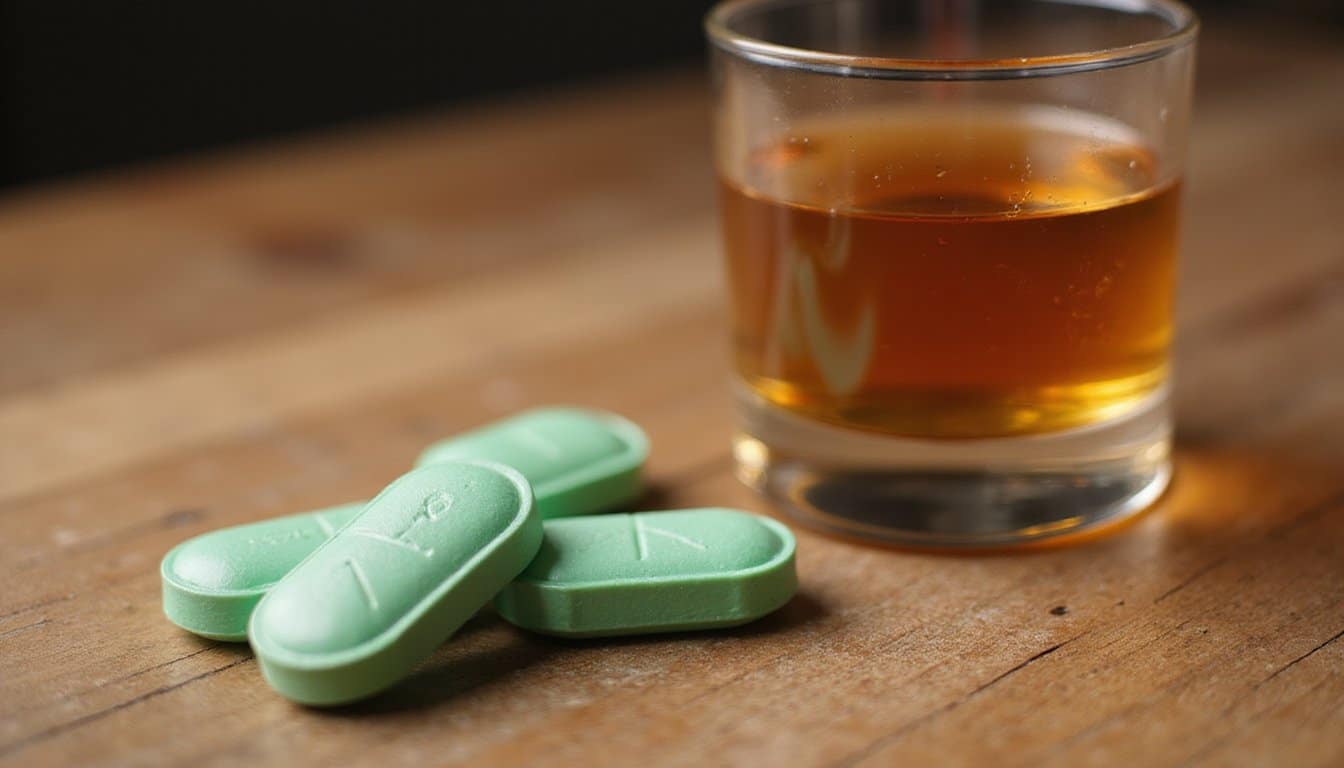
When you combine green Xanax with alcohol, you’re mixing two powerful central nervous system depressants that work through similar brain pathways. Both substances enhance GABA activity in your brain, creating synergistic effects that exceed what either produces alone. This combination suppresses the brain regions controlling your breathing patterns.
Respiratory depression becomes the primary danger. Your breathing can slow to dangerously shallow levels, depriving your brain of oxygen. This creates significant risk for coma, permanent brain damage, and fatal accidental overdose.
Your liver prioritizes processing alcohol first, causing Xanax to accumulate to toxic levels in your system. Memory impairment prevents you from tracking how much you’ve consumed, leading to unintentional re-dosing and heightened overdose risk. Long-term combined use can lead to dependence and withdrawal, along with serious health conditions.
Overdose Warning Signs You Need to Recognize Immediately
Understanding the fatal mechanisms behind mixing green Xanax and alcohol prepares you to recognize the warning signs that indicate an overdose in progress. green xanax bars and their dangers are often underestimated by users who may believe that they can handle the effects. It is crucial to be aware of the severe side effects and long-term health risks associated with this combination, as it can lead to respiratory depression or even death.
Watch for slowed breathing characterized by shallow, irregular patterns or intervals exceeding 10 seconds between breaths. Choking or gurgling sounds signal airway compromise requiring immediate intervention.
You’ll notice skin color changes, blue or purple lips and fingernails indicate oxygen deprivation. Look for pinpoint pupils that remain constricted even in low light.
Loss of consciousness progressing toward coma risk demands emergency response. If someone can’t be awakened by shaking or loud sounds, call 911 immediately. Loss of consciousness is a recognized symptom of a drug overdose that always requires medical attention.
Additional warning signs include vomiting, seizures, limp body posture, and weak or absent pulse. Don’t wait for multiple symptoms to appear, a single sign warrants immediate medical attention.
What Happens in Your Brain When You Combine Xanax and Alcohol?
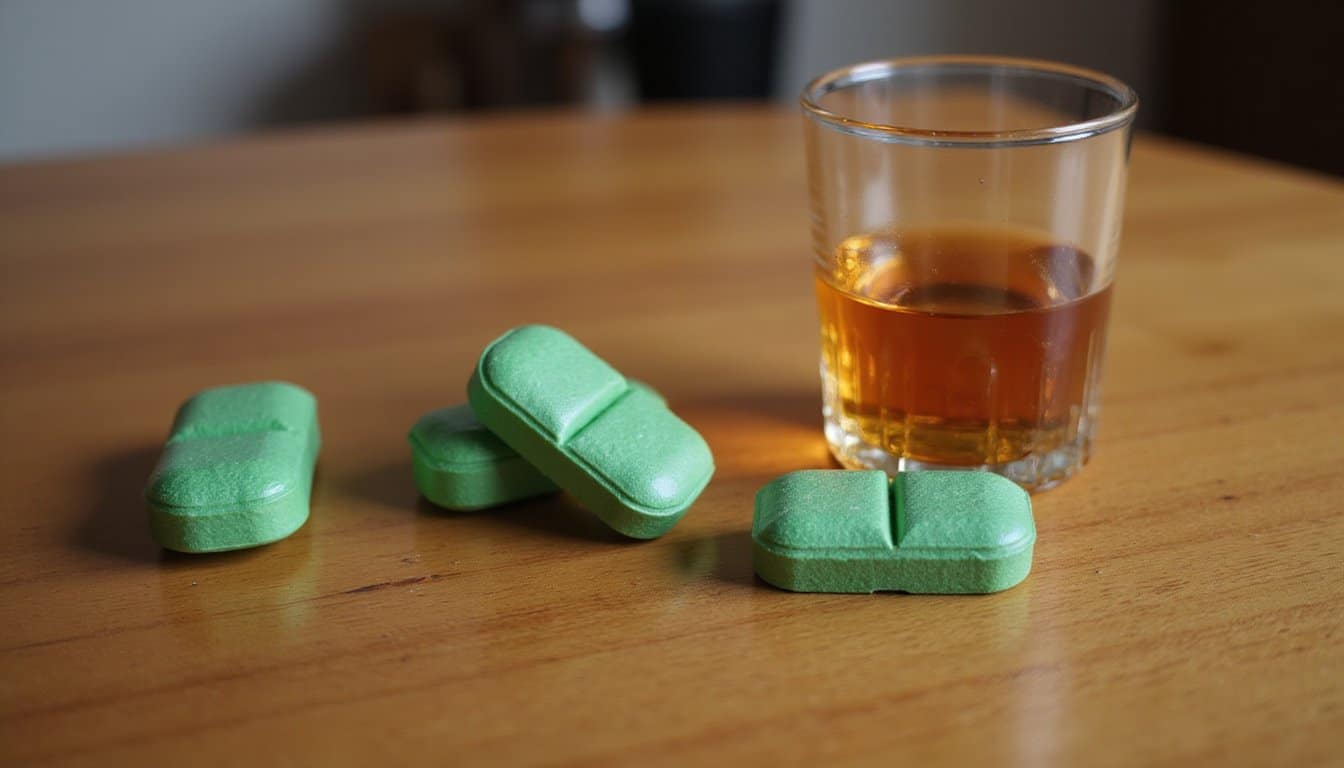
When you combine Xanax and alcohol, both substances target your brain’s GABA receptors simultaneously, creating a dangerous amplification effect that far exceeds what either drug produces alone. This dual receptor system overload floods your brain with inhibitory signals, dramatically slowing neural communication and suppressing critical functions like breathing and heart rate regulation. The synergistic interaction means the combined risk isn’t simply additive, it multiplies, making doses that seem safe individually potentially fatal together. The overdose risks of counterfeit pills are similarly alarming, as they may contain dangerous substances or unpredictable dosages that can mimic the effects of legitimate medications. Users often underestimate these risks, believing they are taking a safer alternative. However, the lack of regulation and testing for such pills can lead to life-threatening consequences, further complicating the landscape of substance misuse.
GABA Activity Amplifies Dangerously
Because both Xanax and alcohol target the same neurotransmitter system, combining them creates a dangerous amplification effect in your brain. This cns depressant combination doesn’t simply add effects together, it multiplies them. When you take both substances, GABA-A receptor activation intensifies beyond what either produces alone, causing excessive neural inhibition throughout your brain.
This synergistic interaction slows activity in critical regions. Your cerebral cortex becomes sluggish, your brainstem’s respiratory centers face suppressed signaling, and your hippocampus struggles to form memories. The result is profound sedation that can progress to respiratory failure.
Research shows more than 18% of benzodiazepine overdoses involve alcohol co-use. If you’re regularly combining these substances, you may have polysubstance use disorder requiring immediate professional treatment.
Dual Receptor System Overload
The amplified GABA activity described above represents only part of the neurological danger you face when combining Xanax and alcohol. Both substances target overlapping receptor systems, creating autonomic nervous system suppression that affects your heart rate, blood pressure, and breathing simultaneously.
Neurochemical interference and metabolism compound these risks considerably. Alcohol slows your body’s ability to process Xanax, allowing dangerous concentrations to accumulate in your bloodstream. This dual action on inhibitory neurotransmitters produces sedation and impairment far exceeding what either substance causes alone.
Your brainstem’s respiratory centers become compromised through multiple pathways at once. The combined suppression of excitatory neurotransmitters impairs your critical thinking and self-control, the very faculties you’d need to recognize you’re in danger and seek help.
Synergistic Effects Multiply Risks
Combining Xanax and alcohol creates a dangerous synergy that multiplies risks far beyond what either substance produces alone. When you mix these depressants, your GABA receptors experience profound overstimulation, intensifying sedation to potentially lethal levels.
Respiratory Drive Suppression
Both substances impair your brainstem’s ability to detect carbon dioxide buildup, your body’s primary breathing trigger. This respiratory drive suppression causes slow, shallow breaths without your awareness. Over 18% of benzodiazepine overdoses involve alcohol.
Recognizing Overdose Symptoms
Watch for these warning signs: extreme drowsiness, slurred speech, difficulty walking, confusion, and fainting. Your motor reflexes become severely compromised, delaying your ability to seek help.
Alcohol also slows Xanax metabolism in your liver, raising toxic blood concentrations. This pharmacological interaction greatly increases your risk of coma, brain damage, or death.
Why Your Liver Can’t Safely Process Xanax and Alcohol Together

Your liver faces an impossible task when you consume Xanax and alcohol together. Through hepatic metabolism prioritization, your liver processes alcohol first, leaving Xanax to accumulate in your bloodstream. This creates dangerous drug levels that persist far longer than expected.
Cytochrome P450 system inhibition compounds the problem. Xanax depends on CYP3A4 enzymes for breakdown, but alcohol directly interferes with these pathways. The result is bidirectional metabolic interference, each substance blocks the other’s elimination.
Clinical data confirms these risks. Patients with compromised liver function show alprazolam half-lives extending from 11.4 to 19.7 hours. Drug clearance drops by half. Your body simply cannot detoxify both substances simultaneously.
When metabolic pathways become saturated, toxic byproducts accumulate. This overwhelmed state dramatically increases your overdose potential.
Long-Term Health Damage From Regular Xanax and Alcohol Use
Chronic misuse of Xanax and alcohol together inflicts progressive damage across multiple organ systems. Your liver bears significant burden from combined hepatotoxicity, leading to heightened enzymes, inflammation, and potential failure. Kidney function deteriorates under the metabolic strain, while cardiovascular risks including heart disease and stroke accumulate over time.
Your brain suffers measurable harm from this combination. Memory loss and blackouts become frequent, and cognitive decline affects your ability to learn and make sound decisions. Depression and anxiety often worsen paradoxically, despite seeking relief from these conditions initially.
Physical dependence develops within weeks of regular use, making cessation dangerous without medical supervision. You’ll need an extensive detox evaluation to safely stop. Treatment for polysubstance use addresses both substances simultaneously, preventing life-threatening withdrawal complications like seizures.
How Long to Wait Between Taking Xanax and Drinking Alcohol
Understanding the damage this combination causes raises an urgent question: how long must you wait between substances to reduce harm? The alcohol interaction alprazolam creates makes timing critical. Your liver prioritizes alcohol metabolism, which slows Xanax clearance unpredictably.
| Scenario | Minimum Wait Time | Safer Wait Time |
|---|---|---|
| Xanax before alcohol | 48 hours | 5 days |
| Alcohol before Xanax | 24 hours | 48 hours |
| Regular Xanax use | Consult physician | Complete avoidance |
Individual factors, weight, metabolism, dosage, affect these windows considerably. Even following these guidelines doesn’t eliminate benzo alcohol overdose risk entirely. No truly safe timeframe exists when combining these substances.
If you’re calculating wait times routinely, this pattern suggests dependency requiring professional evaluation. Complete avoidance remains the only evidence-based recommendation for preventing fatal respiratory depression.
How to Get Help for Xanax and Alcohol Addiction
When calculating safe windows between substances becomes routine, you’ve crossed from casual use into dependency territory that demands professional intervention.
Addiction severity markers include cravings, escalating use despite intentions to cut back, and continued consumption despite interpersonal problems. If you recognize these patterns, medically supervised detox isn’t optional, it’s essential. Withdrawal symptoms begin 6-8 hours after your last Xanax dose, and polysubstance dependence intensifies these effects dramatically.
Treatment programs integrate medication-assisted protocols with mental health therapies to address both substances simultaneously. Your provider will develop relapse prevention planning tailored to your specific triggers and usage patterns.
Don’t wait for an emergency room visit to seek help. Contact a treatment center specializing in co-occurring Xanax and alcohol addiction. Recovery requires clinical support, but lasting sobriety is achievable with proper intervention.
Take the First Step Toward Recovery
If you or someone you love is struggling with Benzo addiction, it can feel like there is no way out, but hope is never out of reach. NJ Addiction Hotline is dedicated to connecting you with the right Benzo Addiction Treatment Program to rebuild balance and well-being. Call (609) 293-5961 today and start building the life you deserve.
Frequently Asked Questions
Does the Color of Xanax Affect How It Interacts With Alcohol?
No, the color of Xanax doesn’t affect how it interacts with alcohol. The pill’s color comes from FDA-approved dyes and manufacturer identification, not the active ingredient. Alprazolam works identically in your body regardless of whether you’re taking green, white, yellow, or blue pills. What matters is the dosage strength. A 2 mg green bar poses the same overdose risk with alcohol as any other 2 mg formulation.
Can One Drink of Alcohol Be Safe While Taking Prescribed Xanax?
No, even one drink isn’t considered safe while you’re taking prescribed Xanax. Both substances depress your central nervous system, and their effects multiply unpredictably, not just add together. Your liver prioritizes metabolizing alcohol, causing Xanax to build up to dangerous levels in your system. This combination can slow your breathing to life-threatening levels, even with amounts that seem minimal. You should discuss all alcohol use with your prescribing physician.
Why Do People Intentionally Mix Xanax and Alcohol Despite the Risks?
You might mix Xanax and alcohol to intensify euphoria, self-medicate anxiety, or chase effects that tolerance has diminished. Both substances produce calming sensations, and combining them creates a synergistic high stronger than either alone. You may underestimate the danger because both are legal. If you’re intentionally mixing these depressants, this pattern signals escalating addiction severity. Don’t wait for an overdose, reach out for professional support today.
Is Mixing Xanax and Alcohol More Dangerous Than Other Drug Combinations?
Yes, mixing Xanax and alcohol ranks among the most dangerous drug combinations you can encounter. The synergistic effect increases your overdose risk by 50-85% compared to using either substance alone. Xanax appears most frequently in fatal alcohol-related overdoses, more than Ativan, Klonopin, or Valium. Your liver prioritizes alcohol metabolism, causing Xanax to accumulate and prolong toxicity. This combination directly suppresses your respiratory system, making breathing failure more likely.
Can Naloxone Reverse an Overdose Caused by Xanax and Alcohol Together?
No, naloxone can’t reverse an overdose caused by Xanax and alcohol together. Naloxone only works on opioid receptors, while Xanax and alcohol affect your GABA system differently. There’s no specific antidote for benzodiazepine-alcohol overdoses. If you witness this type of overdose, call emergency services immediately. You’ll need professional medical intervention to manage the respiratory depression and CNS effects these combined depressants cause.