



Wellbutrin isn’t FDA-approved for alcohol use disorder, but it may help reduce your cravings through its unique dopamine-boosting mechanism. By blocking dopamine reuptake, it directly addresses the neurochemical imbalances that chronic drinking creates in your brain’s reward pathways. Research shows promise, particularly if you’re also managing depression. However, combining Wellbutrin with alcohol increases your seizure risk considerably. Understanding how this medication works alongside other treatments can help you make informed decisions about your recovery options.
How Wellbutrin Targets Dopamine to Reduce Alcohol Cravings

Wellbutrin works by blocking the reuptake of dopamine in the brain, which increases dopamine levels in key neural pathways associated with reward and motivation. This mechanism directly targets the dopamine reward pathway that chronic alcohol use disrupts.
When you drink heavily over time, your brain’s dopamine system becomes depleted. Wellbutrin counters this by preventing dopamine reabsorption, maintaining elevated levels that may reduce your urge to drink. As an alcohol craving reduction medication, it addresses the neurochemical imbalances driving compulsive alcohol-seeking behavior.
While Wellbutrin isn’t FDA-approved among AUD medications, its norepinephrine-dopamine reuptake inhibition offers a pharmacological approach to stabilizing reward circuits. By restoring dopamine signaling in areas like the nucleus accumbens, it may help disrupt the craving cycles that perpetuate alcohol dependence. This is particularly relevant given that AUD affected approximately 29.5 million people 12 years and older in 2022, highlighting the widespread need for effective treatment options. However, Wellbutrin should only be used as part of a comprehensive addiction treatment plan rather than as a standalone solution.
Is Wellbutrin FDA-Approved for Alcohol Dependence?
No FDA approval exists for bupropion (Wellbutrin) as a treatment for alcohol use disorder or alcohol dependence. You won’t find alcohol-related conditions listed on any official Wellbutrin labeling. The FDA has approved this medication specifically for major depressive disorder, seasonal affective disorder, and smoking cessation.
| FDA-Approved Uses | Non-Approved Uses |
|---|---|
| Major Depressive Disorder | Alcohol Use Disorder |
| Seasonal Affective Disorder | Alcohol Dependence |
| Smoking Cessation (Zyban) | Alcohol Cravings |
| Nicotine Dependence | Alcohol Withdrawal |
When providers prescribe Wellbutrin for alcohol cravings, this constitutes off-label medication use. While research explores bupropion alcohol use disorder applications, current evidence doesn’t support FDA indication. You should understand that contraindications actually warn against abrupt alcohol discontinuation while taking bupropion due to increased seizure risk. Additionally, mixing Wellbutrin and alcohol can increase risk of side effects, including seizures, which further complicates its potential use for treating alcohol-related conditions. Individuals combining Wellbutrin with alcohol are at risk of developing physical dependence on both substances, making careful medical oversight essential.
What Does Research Say About Wellbutrin for Alcohol Cravings?

Research suggests Wellbutrin may reduce alcohol cravings by targeting dopamine and norepinephrine, neurotransmitters that play key roles in your brain’s reward circuits. A study published in *Addiction Biology* found that Wellbutrin decreased self-reported alcohol cravings in individuals with alcohol use disorder, while separate research in *Alcoholism: Clinical and Experimental Research* showed reduced alcohol consumption among participants with co-occurring depression and alcohol dependence. Research on alcohol-preferring rats found that while bupropion alone did not reduce alcohol intake, combining bupropion with naltrexone significantly decreased alcohol consumption, suggesting a combinatorial approach may be more effective. Understanding how dopamine influences your cravings helps explain why this medication might work for some people but not others. However, it’s important to note that Wellbutrin carries a dose-dependent seizure risk that can be significantly amplified when combined with alcohol consumption.
Clinical Trial Evidence
Although Wellbutrin isn’t FDA-approved for alcohol use disorder, clinical trials have examined whether it can reduce cravings and drinking behavior. The COMB Study, a Phase II randomized, double-blind, placebo-controlled trial, tested bupropion alone and combined with varenicline across multiple European research centers. This research was designed to challenge the low-dopamine hypothesis of addiction by examining how dopamine-modulating medications affect drinking behavior.
We now have promising data from this wellbutrin and alcoholism research. Results published in The Lancet Regional Health – Europe showed the combination treatment demonstrated approximately twice the effectiveness of currently available medications. Researchers measured success through blood phosphatidylethanol levels and heavy drinking days. The study enrolled 384 individuals with moderate to severe alcohol use disorder who were randomly assigned to receive combination treatment, one of the two drugs alone, or a placebo.
The alcohol dependence treatment research revealed an unexpected benefit: combination therapy caused less nausea than either medication alone. This improved tolerability increased treatment completion rates, a critical factor in real-world outcomes. The findings suggest bupropion’s dopamine-enhancing mechanism may complement other pharmacological approaches.
Dopamine’s Role Explained
Wellbutrin blocks the dopamine transporter in the brain’s striatum, preventing dopamine reuptake and increasing extracellular dopamine levels. This mechanism directly targets the reward pathways associated with alcohol cravings. When you drink, alcohol disrupts your brain’s dopamine balance, creating deficits that drive compulsive seeking behavior. Since alcohol affects the same brain systems that Wellbutrin does, understanding this overlap is crucial for treatment considerations.
By elevating dopamine and norepinephrine, Wellbutrin helps counteract these alcohol-induced neurochemical disruptions: can you drink alcohol on wellbutrin is a question many patients might ponder when considering their treatment options. It’s important to consult with a healthcare professional, as combining alcohol with Wellbutrin can potentially lead to increased side effects or reduce the medication’s effectiveness. Understanding the interactions between various substances can significantly improve the success of your treatment plan.
- Dopamine enhancement addresses reward pathway deficits caused by chronic alcohol use
- Norepinephrine elevation supports motivation and energy during recovery
- Targeted action focuses on catecholamines rather than serotonin, unlike most antidepressants
- Craving cycle interruption maintains stable dopamine levels that alcohol depletes
- Withdrawal support may ease mood symptoms tied to neurotransmitter imbalances
This pharmacological profile explains why researchers continue investigating bupropion’s potential role in alcohol use disorder treatment.
Can Combining Wellbutrin With Naltrexone Improve Results?
When you take Wellbutrin alongside naltrexone, the two medications target different parts of your brain’s reward system, bupropion boosts dopamine and norepinephrine signaling while naltrexone blocks opioid receptors that mediate alcohol’s pleasurable effects. Animal studies show this combination reduced alcohol intake in alcohol-preferring rats more effectively than either medication alone, with significant reductions observed at the 10 mg/kg dose of each drug. Early human clinical evidence suggests individuals receiving both medications report greater decreases in alcohol use compared to single-agent approaches, though more research is needed to confirm these findings.
Dual Medication Synergy Effects
Because neither naltrexone nor bupropion at low doses effectively reduces alcohol intake on its own, researchers have explored whether combining these medications produces synergistic effects. Studies in alcohol-preferring rats demonstrate that pairing 10.0 mg/kg of each drug considerably decreases drinking behavior when individual agents fail.
The synergy works through complementary mechanisms:
- Naltrexone blocks opioid-mediated reward pathways, reducing dopamine release in your nucleus accumbens
- Bupropion enhances naltrexone’s efficacy at otherwise subtherapeutic doses
- The combination shows statistical significance (p<0.01) where single drugs don’t
- Lower doses of each medication minimize side effects you’d experience with higher individual dosing
- Similar synergistic patterns occur with naltrexone plus varenicline or fluoxetine
This pharmacological approach addresses a critical gap in AUD treatment by achieving therapeutic effects while improving your likelihood of medication compliance. The combination’s success depends heavily on patient motivation and compliance to maintain consistent dosing schedules. Treatment response should be evaluated early, as less than 5% weight loss after 12 weeks at maintenance dose indicates poor response to the combination therapy.
Reduced Alcohol Intake Evidence
Research from alcohol-preferring rat models provides concrete evidence that naltrexone combined with bupropion produces measurable reductions in alcohol intake. The combination of 10.0 mg/kg naltrexone plus 10.0 mg/kg bupropion markedly decreased alcohol consumption compared to vehicle treatment (p<0.01). Evidently, this combination outperformed bupropion alone at both 10 mg/kg and 20 mg/kg doses on days one and two of testing.
You should understand that low-dose naltrexone proved ineffective when administered alone but demonstrated clear efficacy when paired with bupropion. Statistical analysis using Dunnett’s test confirmed that only the naltrexone-bupropion combination achieved substantial reductions versus vehicle. These findings align with prior research showing naltrexone combinations with fluoxetine, prazosin, and varenicline also enhance alcohol intake reduction, suggesting additive pharmacological effects beyond what single agents achieve independently.
Different Mechanism Targets
Two distinct neurochemical pathways drive alcohol-seeking behavior, and targeting both simultaneously may produce better outcomes than single-medication approaches. Bupropion blocks dopamine reuptake, increasing its availability in brain synapses, while naltrexone antagonizes mu-opioid receptors to prevent alcohol-related reward signaling. This differs from many other antidepressants that work by increasing serotonin levels rather than affecting dopamine and norepinephrine.
Research demonstrates this combination’s superiority:
- Combined bupropion and naltrexone greatly reduced alcohol intake in animal studies, outperforming either medication alone
- Naltrexone showed only a trend toward reduction when used independently
- The dual approach addresses both dopamine deficiency and opioid-mediated reinforcement
- Ideal results occurred at specific dosages of 10.0 mg/kg for each medication
- Single-agent therapy fails to address alcohol use disorder’s multiple neurotransmitter system involvement
You’ll find that targeting both mechanisms creates a more thorough neurochemical intervention than monotherapy can achieve.
Who Might Benefit From Wellbutrin for Alcohol Cravings?
While Wellbutrin isn’t FDA-approved for alcohol use disorder, certain populations may experience meaningful benefits from this medication. However, it’s essential to be aware of the dangers of wellbutrin and alcohol, as combining these substances can lead to increased side effects and potential health risks. Individuals taking Wellbutrin should consult with their healthcare provider before consuming alcohol to avoid complications. Prioritizing a safe approach is important for anyone considering this combination. The interaction between Wellbutrin and alcohol raises concerns, particularly regarding the risk of seizures. It is crucial for patients to understand that can wellbutrin and alcohol cause seizures, which could lead to serious complications. To mitigate these risks, maintaining open communication with healthcare providers is essential for safe medication management.
Wellbutrin may offer real benefits for certain individuals struggling with alcohol use, despite lacking FDA approval for this purpose.
You’re most likely to benefit if you have co-occurring depression and alcohol dependence. Research in *Alcoholism: Clinical and Experimental Research* shows Wellbutrin reduces alcohol consumption in this group by addressing the low moods associated with withdrawal while modulating dopamine and norepinephrine in reward circuits.
If you experience intense alcohol cravings, Wellbutrin’s dopamine effects may help. An *Addiction Biology* study demonstrated decreased self-reported cravings in individuals with AUD.
You may also benefit if you’re a smoker recovering from alcohol dependence. Bupropion-SR proves effective for smoking cessation in those abstinent over 12 months, with its NDRI mechanism reducing cravings for both substances simultaneously.
Safety Risks of Drinking Alcohol While Taking Wellbutrin
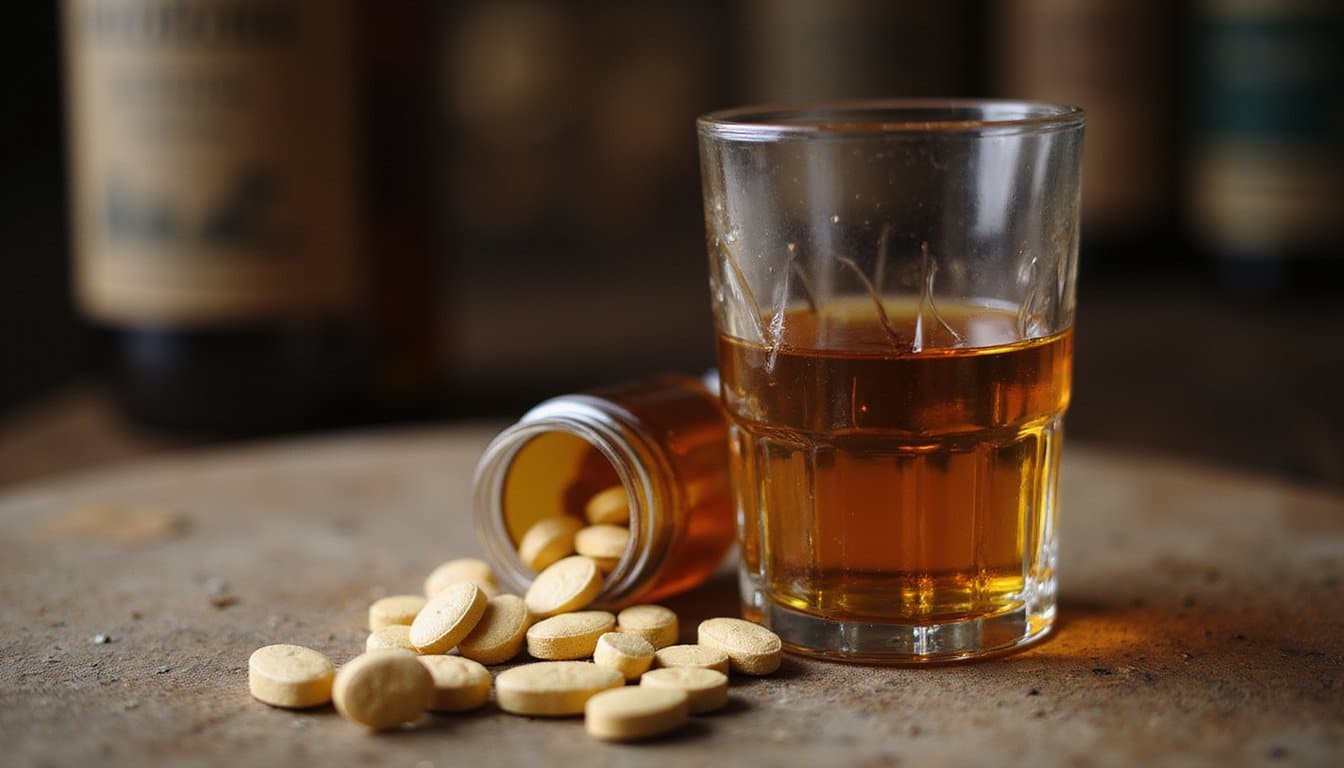
Understanding who might benefit from Wellbutrin represents only part of the clinical picture, you must also recognize the considerable dangers of combining this medication with alcohol.
Wellbutrin carries a dose-dependent seizure risk that alcohol drastically amplifies. When you drink, alcohol lowers your seizure threshold, creating compounded neurological vulnerability. This risk peaks during withdrawal, binge drinking, or abrupt cessation of alcohol use. Those with underlying seizure conditions or eating disorders face even greater danger when combining alcohol with this medication.
Key safety concerns include:
- Seizure amplification from alcohol’s effects on brain electrical activity
- CNS depression causing impaired coordination, confusion, and respiratory risks
- Cardiovascular effects including rapid heartbeat and blood pressure changes
- Liver strain from combined metabolic processing demands
- Mental health deterioration as alcohol counteracts Wellbutrin’s therapeutic benefits
Individual factors, including drinking history, liver function, and concurrent medications, affect your specific risk profile unpredictably. Because alcohol is a depressant that reduces serotonin and dopamine levels in the brain, it directly undermines the neurotransmitter balance that Wellbutrin works to restore.
Why Wellbutrin Works Best When Paired With Therapy
Because Wellbutrin addresses the neurochemical aspects of alcohol cravings through dopamine and norepinephrine reuptake inhibition, it can’t resolve the psychological patterns and behavioral triggers that sustain addiction. Cognitive-behavioral therapy (CBT) fills this gap by targeting learned addiction behaviors and high-risk situations that medication alone won’t address.
Research demonstrates that combining pharmacotherapy with behavioral interventions produces superior outcomes compared to monotherapy approaches. While Wellbutrin reduces craving intensity, CBT equips you with coping strategies for triggering situations. Motivational enhancement therapy (MET) further strengthens treatment by increasing your intrinsic motivation for change. Addiction treatment programs have trained and licensed professionals on site who can prescribe necessary medications like Wellbutrin while coordinating your therapeutic care.
Your thorough treatment plan should integrate medication, therapy, and lifestyle modifications to address both physiological cravings and psychological vulnerability factors. This multifaceted approach reduces relapse risk, particularly when you’re managing comorbid depression alongside alcohol use disorder.
How to Ask Your Doctor About Wellbutrin for Cravings
Many patients find discussing off-label medications with their doctor intimidating, but preparing specific talking points makes the conversation more productive.
Before your appointment, document your current alcohol consumption patterns and craving intensity to establish baseline measurements. This data helps your provider assess whether Wellbutrin might benefit your situation.
Tracking your drinking habits and craving levels before your appointment gives your doctor the baseline data needed for informed treatment decisions.
When meeting with your doctor, address these key points:
- FDA status awareness: Acknowledge that Wellbutrin isn’t approved for alcohol use disorder but has emerging research supporting off-label use
- Depression co-occurrence: Mention any mood symptoms, as studies show enhanced benefits for patients with both conditions
- Seizure history: Disclose any seizure disorders, since bupropion elevates this risk
- Current medications: List all prescriptions and supplements for interaction screening
- Treatment expectations: Ask about realistic timelines for observing craving reduction
Frequently Asked Questions
How Long Does Wellbutrin Take to Reduce Alcohol Cravings?
You may notice some reduction in alcohol cravings within the first few days of taking Wellbutrin, as dopamine regulation begins affecting reward pathways. However, you’ll typically experience more significant effects once the medication reaches steady-state plasma levels around 5-7 days. Full benefits for mood and energy that support craving management usually emerge within 1-2 weeks. Combining Wellbutrin with naltrexone or behavioral therapies like CBT can enhance and accelerate these effects.
Does Wellbutrin Help With Alcohol Withdrawal Symptoms?
Wellbutrin isn’t designed to treat physical alcohol withdrawal symptoms like tremors, sweating, or seizures. In fact, it can increase your seizure risk, which is already elevated during withdrawal. You’ll find stronger clinical evidence supporting medications like gabapentin or benzodiazepines for managing withdrawal. Wellbutrin may help with psychological aspects, mood regulation and cravings, but you shouldn’t rely on it for acute withdrawal. Always seek medical supervision when discontinuing alcohol.
Can Wellbutrin Be Used Alongside Alcoholics Anonymous Programs?
Yes, you can use Wellbutrin alongside Alcoholics Anonymous programs. Research shows Wellbutrin works most effectively when combined with behavioral support systems. While you’re taking this medication, AA meetings can address the psychological and social aspects of your recovery that pharmacotherapy alone doesn’t cover. This thorough/detailed/all-encompassing approach, integrating medication with peer support, creates a stronger foundation for lasting sobriety. Always inform your healthcare provider about your participation in recovery programs.
Will Wellbutrin Work if I’m Not Diagnosed With Depression?
Wellbutrin may still help reduce alcohol cravings even if you don’t have depression. Its mechanism works by balancing dopamine and norepinephrine in your brain’s reward pathways, circuits that alcohol disrupts regardless of mood disorders. However, most clinical studies have focused on participants with comorbid depression, so evidence specifically for non-depressed individuals remains limited. You’ll want to discuss this off-label use with your healthcare provider to determine if it’s appropriate for your situation.
What Happens if Wellbutrin Doesn’t Reduce My Alcohol Cravings?
If Wellbutrin doesn’t reduce your alcohol cravings, you’ll need to explore alternative approaches. You might consider combining medication with behavioral therapies like CBT or motivational enhancement therapy. Your doctor may also recommend adding naltrexone to your treatment plan or trying varenicline alongside bupropion, which research shows can reduce heavy drinking days. Complete abstinence from alcohol will maximize Wellbutrin’s effectiveness, and professional guidance remains essential for personalized adjustments.