

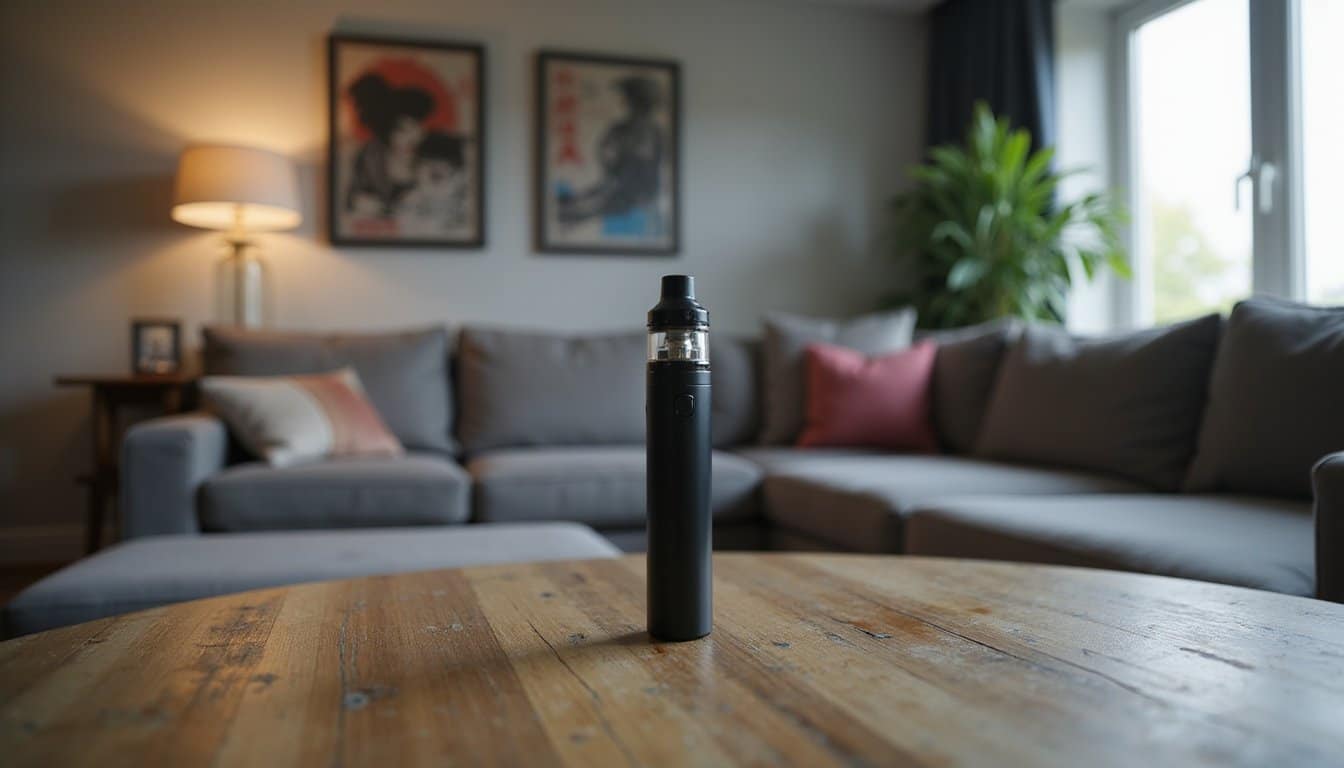
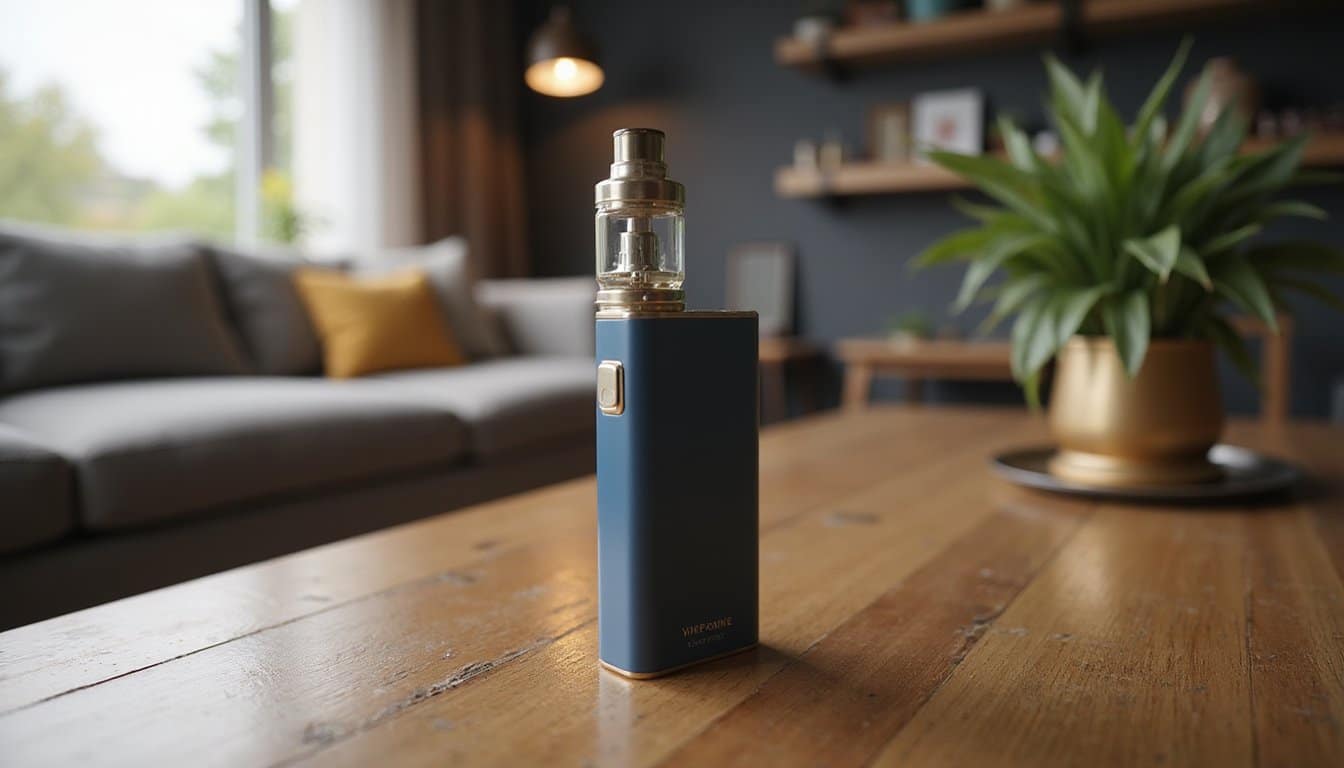

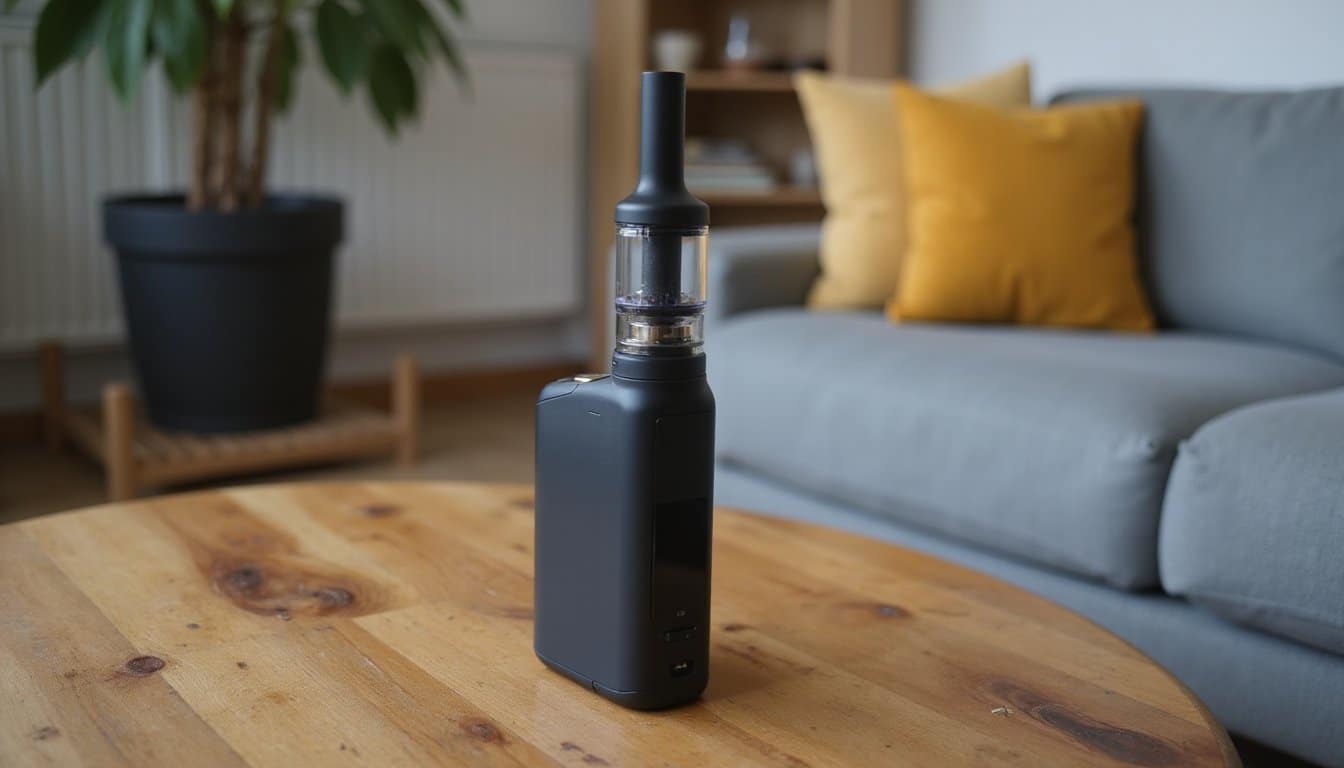

DMT vape pens rapidly deliver dimethyltryptamine into your bloodstream through the lungs, triggering intense hallucinations within 10-15 seconds. When you inhale vaporized DMT, it binds to your brain’s serotonin receptors, causing dramatic shifts in neural activity and perception. You’ll experience heightened heart rate, spiking blood pressure, and unpredictable psychological reactions. The unregulated nature of these cartridges makes precise dosing nearly impossible, greatly increasing your risk of adverse effects. Understanding the full scope of these dangers can help you make informed decisions. vaping dmt and mental health risks can lead to severe anxiety, paranoia, and even psychotic episodes. Users may find that the dissociative effects of DMT exacerbate existing mental health issues or trigger latent ones. It’s essential to approach the use of these substances with caution, as the potential for harm can significantly outweigh the perceived benefits.
What Are DMT Vape Pens and How Do They Work?

DMT vape pens are portable devices that vaporize dimethyltryptamine, a potent Schedule I hallucinogenic compound often called the “spirit molecule” due to its intense psychoactive properties. These controlled substances deliver DMT in liquid or crystalline form through a battery-powered heating element that reaches approximately 400°F. The two main types used in these devices are N,N-DMT and 5-MeO-DMT, each producing distinct psychedelic experiences.
When you inhale the vaporized DMT, it enters your bloodstream through the lungs within seconds. The compound rapidly binds to serotonin receptors, particularly 5-HT2A, triggering powerful psychedelic effects. You’ll experience vivid hallucinations, geometric patterns, and altered consciousness within 10-15 seconds of inhalation. Users may also report encounters with entities or profound spiritual experiences during their trip.
The entire trip typically lasts 15-30 minutes, significantly shorter than other psychedelics. This rapid onset and brief duration make precise dosing critical, as effects intensify almost immediately with no warning period. The quick onset and high intensity of vape pens can overwhelm users who are unprepared for the experience.
What DMT Does to Your Brain and Body
When you inhale DMT vapor, the compound rapidly binds to 5-HT2A serotonin receptors concentrated in your temporal, occipital, and parietal cortices, triggering immediate changes in neural activity. Your body responds with heightened blood pressure, increased heart rate, and dilated pupils, physical effects that can pose serious risks if you have underlying cardiovascular conditions. Within seconds, you’ll experience profound alterations in perception, including vivid geometric hallucinations, distorted time awareness, and intense auditory changes that can feel completely overwhelming.
Serotonin Receptor Activation
The moment DMT enters your bloodstream, it targets serotonin receptors throughout your brain, primarily the 5-HT2A receptor, which drives the substance’s intense psychedelic effects. Because DMT’s structure closely resembles serotonin, it binds effectively to this receptor, disrupting your default mode network and dramatically altering introspection and self-referential thought processes.
This receptor activation triggers widespread changes in neural activity across cortical regions. Research shows DMT promotes both structural and functional neuroplasticity through 5-HT2A stimulation, increasing dendritic complexity and spine density in cortical neurons. While these neuroplastic effects interest researchers studying treatment-resistant depression, they also underscore the substance’s powerful impact on brain architecture.
DMT doesn’t stop at 5-HT2A, it binds to multiple serotonin receptor subtypes, creating complex, unpredictable interactions that contribute to both its profound effects and potential risks.
Physical Symptoms Overview
Within seconds of inhalation, DMT triggers a cascade of measurable physical changes throughout your body. Your cardiovascular system responds immediately with heightened blood pressure and increased heart rate that persist throughout the acute phase. These physiological responses correlate directly with dosage levels.
The neurological and autonomic effects are equally pronounced:
- Brain activity shifts dramatically, alpha and beta waves decrease while delta and theta frequencies surge
- Sensorimotor cortex compression occurs as functional connectivity increases globally
- Visual effects emerge despite closed eyes, as your visual cortex generates internal phenomena with dilated pupils and rapid eye movements
- Limbic system dysregulation intensifies, with hyperconnectivity affecting memory and emotion pathways
These changes concentrate in regions with dense 5-HT2A receptor expression, explaining DMT’s profound psychological impact.
Altered Perception Effects
Beyond these immediate physical changes, DMT fundamentally rewrites how your brain processes sensory information and constructs reality. When you inhale from a DMT vape pen, the hallucinogenic compound floods your serotonin receptors, triggering dramatic shifts in cortical activity. Your brain’s alpha waves decrease considerably while forward-traveling waves increase, mimicking open-eye visual processing despite closed eyes. The exploration of the difference between dt and 5 meo dmt reveals distinct pathways of experience and perception. While both compounds interact with neurotransmitter systems, their effects can lead to varying types of consciousness expansion and spiritual insight. Understanding these nuances may help users navigate their chosen psychedelic experiences more effectively.
This neurotransmitter disruption produces intense visual distortions, geometric patterns, and profound altered states of consciousness. Your brain’s normal hierarchy collapses as global hyperconnectivity emerges, dissolving boundaries between sensory and association regions. The perception changes aren’t superficial, DMT compresses your brain’s principal cortical gradient, particularly affecting areas dense with 5-HT2A receptors.
These dramatic consciousness alterations carry real risks. Individuals with predisposition to psychosis face heightened vulnerability when neural organization becomes this profoundly destabilized.
Short-Term Health Risks of DMT Vape Pens
When you inhale DMT vapor, you’re exposing yourself to immediate health risks that affect both your mind and body within seconds. The intense psychological reactions can include overwhelming anxiety, paranoia, and terrifying hallucinations that emerge without warning, leaving you unable to distinguish reality from the drug-induced experience. Simultaneously, your body undergoes rapid physical changes, elevated heart rate, spiking blood pressure, nausea, and muscle incoordination, that can escalate into dangerous situations, particularly if you have underlying health conditions. When you inhale DMT vapor, you’re exposing yourself to immediate health risks that affect both your mind and body within seconds. The intense psychological reactions can include overwhelming anxiety, paranoia, and terrifying hallucinations that emerge without warning, leaving you unable to distinguish reality from the drug-induced experience. Simultaneously, your body undergoes rapid physical changes, elevated heart rate, spiking blood pressure, nausea, and muscle incoordination, that can escalate into dangerous situations, particularly if you have underlying health conditions. These reactions are linked to what is dmt in the brain, where the substance rapidly interacts with serotonin receptors that influence perception, mood, and sensory processing.
Intense Psychological Reactions
Because DMT vape pens deliver the substance directly to lung tissue for near-instantaneous absorption, users experience full psychedelic effects within 10 to 15 seconds, leaving virtually no time to prepare for or mitigate intense psychological reactions.
When DMT is vaporized, its rapid receptor binding triggers severe psychological distress that differs from slower-onset methods like ayahuasca. The substance’s unpredictable potency increases overdose risk and amplifies adverse effects.
Common intense psychological reactions include:
- Severe paranoia and panic attacks occurring without warning
- Ego dissolution causing complete detachment from reality
- Terrifying hallucinations involving entity encounters or dimensional shifts
- Depersonalization producing lasting psychological trauma
These effects become dangerous when combined with serotonin-affecting medications, potentially triggering serotonin syndrome. Unlike controllable doses, DMT vape pen vaporized delivery makes titration nearly impossible, compounding psychological risks greatly.
Physical Side Effects
The body’s immediate physical response to vaporized DMT begins within seconds of inhalation, as the compound rapidly enters the bloodstream and triggers a cascade of physiological stress reactions. You’ll likely experience palpitations, heightened blood pressure, and dizziness as your cardiovascular system responds to the compound. Dilated pupils and nausea frequently accompany these effects.
More severe reactions pose significant dangers. Seizures can occur without warning, while respiratory irritation from adulterated vape contents damages lung tissue. In extreme cases, respiratory arrest becomes a life-threatening possibility. The risk of overdose increases with unregulated products of unknown potency.
Profound dissociation disconnects you from bodily awareness, impairing coordination and judgment. This dissociative state frequently leads to dangerous behavior, as you lose the ability to perceive physical hazards or respond appropriately to your environment.
Why DMT Vape Cartridges Are Unregulated and Dangerous

DMT vape cartridges exist in a regulatory vacuum that creates significant health and safety risks for users. Unlike regulated substances, n-n-dimethyltryptamine products sold through underground networks lack quality control, exposing you to dangerous contamination and unknown cutting agents that enter your bloodstream with each inhale.
The DEA classifies DMT as illegal under Schedule I, placing it alongside psilocybin with no accepted medical use. This prohibition drives production underground, where you face:
- Adulterants mixed into cartridges that cause respiratory damage when inhaled as vapor
- Unreliable dosages that make safe consumption impossible
- Toxic byproducts from overheated solvents affecting multiple body systems
- Unknown drug interactions increasing addiction treatment complexity
Black market cartridges priced between $100-$400 offer zero guarantees about contents, purity, or safety.
Is DMT Addictive?
Unlike highly addictive substances such as opioids or alcohol, DMT doesn’t produce physical dependence or withdrawal symptoms according to clinical research. Its pharmacokinetic profile, rapid onset, peak effects within minutes, and quick plasma clearance, limits tolerance development and reinforcement patterns typically associated with addiction.
However, you can develop psychological dependence. If you’re using DMT to cope with anxiety, depression, or trauma, warning signs include escalating doses, preoccupation with your next experience, and prioritizing use over responsibilities. Clinical evidence from randomized controlled trials shows no addiction-related adverse outcomes, and studies involving repeated administrations report no significant tolerance buildup.
While DMT poses minimal addiction risk compared to other substances, your mental health history matters. Pre-existing conditions may worsen with repeated use.
What Happens if You Get Caught With DMT?
Getting caught with DMT carries serious legal consequences that vary remarkably depending on your location and the amount in your possession. As a Schedule I substance, N,N-Dimethyltryptamine offers no legal defense for personal use. Law enforcement can detect DMT through blood test analysis or saliva screening after inhalation.
Federal and state penalties include:
- First federal offense: Up to 1 year prison, $1,000 minimum fine
- Florida under 1 gram: Third-degree felony, up to 5 years prison
- California possession: Misdemeanor, up to 1 year county jail
- North Carolina felony: Up to 8 years prison, $200,000 fine
Your dose amount directly impacts sentencing severity. Unlike opioids cases, DMT charges don’t consider whether you experienced heightened heartbeat or encountered entities, possession alone triggers prosecution and permanent criminal records affecting future employment.
Your Recovery Journey Begins Here
Watching addiction take hold of your life or someone you love is one of the hardest things to experience, but you are never alone in this fight. NJ Addiction Hotline is ready to help you find the right Addiction Treatment Programs to regain stability and move toward a better tomorrow. Call (609) 293-5961 today and take the step that could change your life.
Frequently Asked Questions
Can DMT Vape Pens Show up on Standard Drug Tests?
No, DMT from vape pens won’t appear on standard drug tests. Typical 5-panel, 10-panel, or 12-panel screenings don’t include DMT, they target substances like cannabis, opioids, cocaine, and amphetamines. Your body metabolizes DMT rapidly, making detection difficult. However, specialized forensic or toxicology panels can identify DMT in your system if there’s specific suspicion. Detection windows remain short: up to 24 hours in urine, 2-12 hours in blood, and approximately 3 hours in saliva.
How Long Does DMT Stay Detectable in Your System?
DMT clears your system quickly due to its short half-life of 10-20 minutes. You’ll test positive in blood for only 1-2 hours post-use, while urine detection extends to 24-48 hours depending on dose and frequency. Saliva testing works within 1-6 hours after administration. Hair follicle tests offer the longest window, up to 90 days, though they’re rarely used for DMT specifically. Alkaline urine pH can slightly extend detectability.
What Should You Do if Someone Has a Bad DMT Trip?
Stay calm and guide the person to a safe, quiet space away from hazards. Speak softly, reassuring them that the experience is temporary and they’re not in danger. Remove nearby objects that could cause injury and monitor their breathing, heart rate, and consciousness. Don’t leave them alone. Call 911 immediately if they experience seizures, lose consciousness, have trouble breathing, or show signs of severe cardiac distress.
Are There Any Medications That Make DMT More Dangerous to Use?
Yes, several medications markedly increase DMT’s dangers. SSRIs and MAOIs can trigger life-threatening serotonin syndrome, causing rapid heart rate, seizures, and confusion. Antipsychotics create unpredictable psychological effects and may worsen psychosis. Stimulants like Adderall amplify cardiovascular stress and anxiety. Opioids heighten seizure risk and respiratory depression. Lithium also raises seizure potential. You shouldn’t combine DMT with any of these medications, the interactions can produce severe, potentially fatal complications.
Can DMT Cause Permanent Changes to Your Brain or Personality?
Yes, DMT can cause lasting changes to your brain. Research shows it increases dendritic complexity, promotes spine growth, and alters communication between brain regions. You may experience persistent visual disturbances, flashbacks, or shifts in self-perception long after use. If you have pre-existing mental health conditions like depression or psychosis, DMT can worsen these permanently. The full extent of long-term neurological effects remains under active scientific investigation.