



You shouldn’t drink alcohol while taking Wellbutrin because both substances lower your seizure threshold, and combining them creates serious neurological risks. Research shows alcohol can increase seizure activity by up to 54-fold at standard Wellbutrin doses. Beyond seizures, drinking counteracts the medication’s antidepressant effects and intensifies side effects like dizziness, confusion, and impaired coordination. Understanding your specific risk factors and what to do if you’ve already consumed alcohol can help keep you safe.
Why Mixing Alcohol and Wellbutrin Is Dangerous
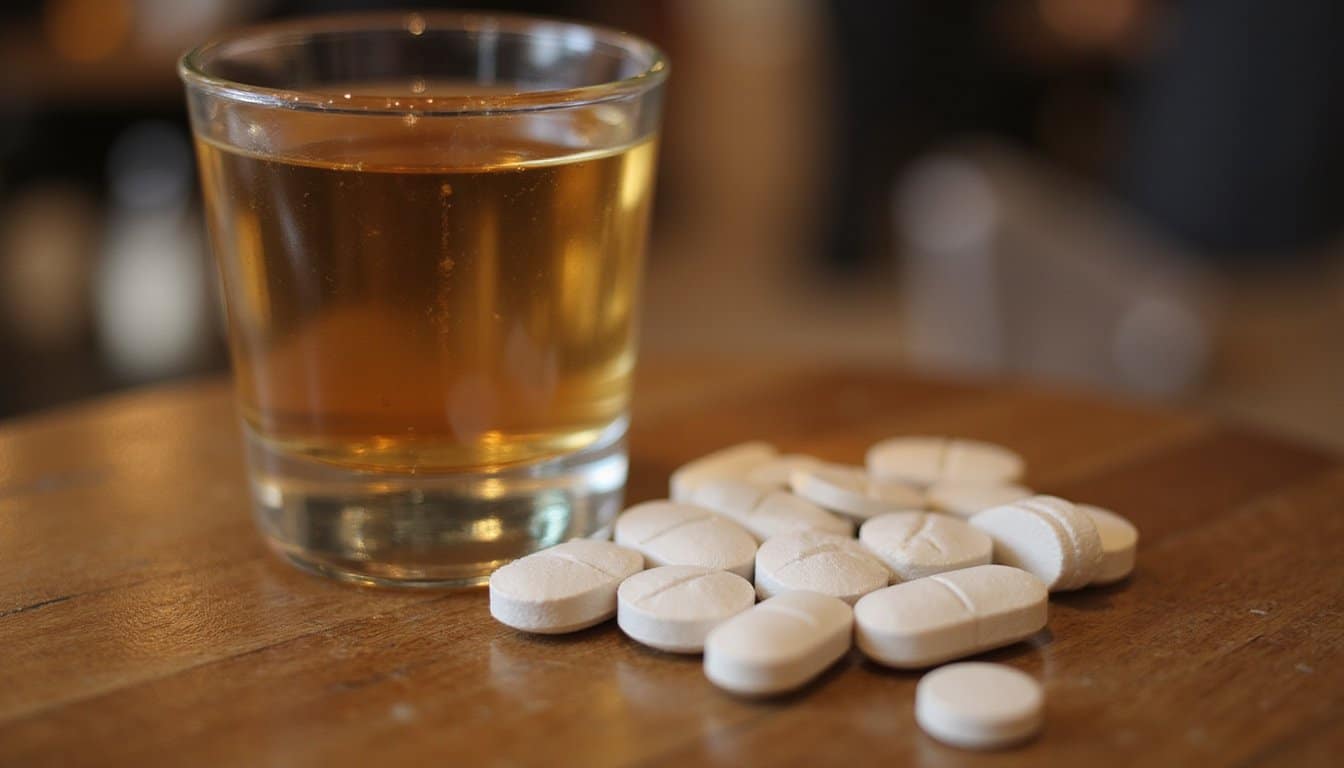
When you combine Wellbutrin with alcohol, you’re creating a potentially dangerous interaction that affects multiple body systems. The most serious concern is increased seizure risk, which multiplies exponentially when both substances are present simultaneously. Alcohol lowers your brain’s seizure threshold while Wellbutrin carries its own dose-dependent seizure risk. The danger becomes particularly acute during alcohol withdrawal or binge drinking episodes, even for individuals without prior seizure history. Those with underlying eating disorders also face elevated seizure risk when mixing these substances.
Beyond seizures, you’ll experience neurochemical imbalances and brain chemistry conflicts. Wellbutrin boosts dopamine activity, but alcohol initially enhances then depletes dopamine during metabolism. This creates destabilizing fluctuations that worsen depression and anxiety.
You’ll also face impaired medication effectiveness. Alcohol’s central nervous system depression directly counteracts Wellbutrin’s antidepressant properties. Regular drinking disrupts sleep patterns, interferes with medication absorption, and creates cycles where worsening depression leads to increased alcohol consumption, further reducing therapeutic benefits.
How Much Alcohol Is Safe on Wellbutrin?
Given these serious risks, you’re likely wondering if any amount of alcohol is actually safe while taking Wellbutrin. The FDA hasn’t established a specific safe threshold for moderate alcohol wellbutrin use. Your alcohol tolerance medication interactions depend on individual factors that make predictions unreliable. Even one to two drinks may be risky when combined with bupropion.
If your healthcare provider approves limited medication and alcohol use, follow these guidelines:
- Limit consumption to one drink maximum per occasion
- Monitor closely for dizziness, confusion, or impaired coordination
- Recognize that your alcohol tolerance may be drastically reduced
- Report any adverse reactions to your provider immediately
The safest approach remains complete abstinence during treatment. No medical professional can guarantee safety for any specific amount, as metabolism rates and side effect severity vary based on dosage, treatment duration, and personal physiology. Mixing these substances can cause unpredictable reactions, including agitation, paranoia, and hallucinations, even in individuals who have previously tolerated the combination without issue.
Why This Combination Raises Seizure Risk
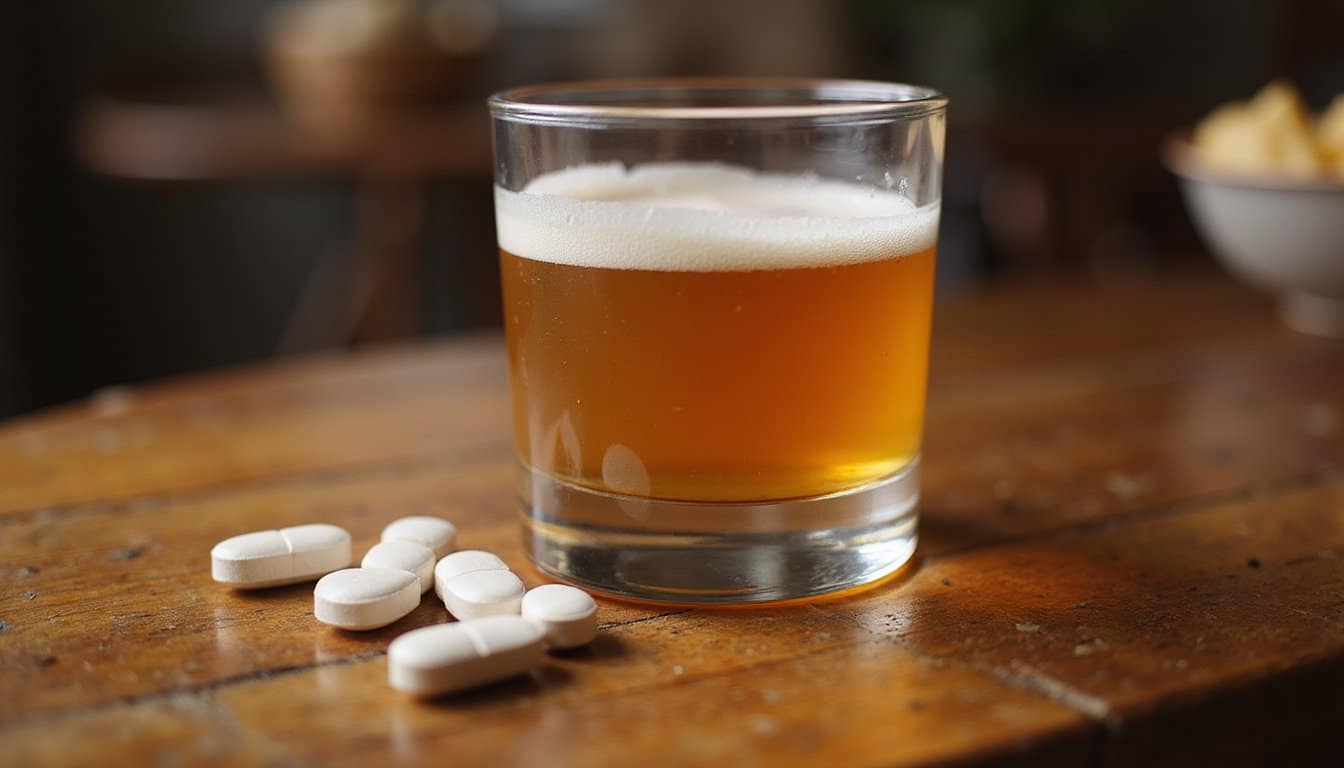
Because both bupropion and alcohol independently lower your brain’s seizure threshold, combining them creates a compounded neurological risk that deserves serious attention.
When you consume alcohol while taking bupropion, you’re fundamentally doubling down on seizure vulnerability. Research shows alcohol reduces the threshold for bupropion-induced seizures by approximately 23%. Even more concerning, studies demonstrate that ethanol pretreatment can cause a 54-fold increase in seizure activity at standard bupropion doses.
The timing matters too. Seizures typically occur within the first six hours after alcohol exposure when bupropion is present in your system. Your seizure risk escalates further if you have a history of heavy drinking, head trauma, or eating disorders. These factors don’t just add up, they multiply, making the bupropion and alcohol combination particularly dangerous for susceptible individuals. Bupropion is contraindicated in patients undergoing abrupt alcohol withdrawal due to the heightened seizure risk. Beyond seizure concerns, alcohol may also reduce the effectiveness of Wellbutrin, potentially triggering depressive episodes that undermine your treatment progress.
Side Effects That Get Worse When You Drink
When you combine Wellbutrin with alcohol, you’re likely to experience intensified dizziness and drowsiness that can make everyday activities dangerous. Both substances affect your central nervous system, and their combined effects markedly impair your coordination and judgment beyond what either would cause alone. You may find yourself unable to safely drive, operate machinery, or make sound decisions even after consuming amounts of alcohol that previously felt manageable. Since alcohol reduces serotonin and dopamine levels in the brain, drinking while taking Wellbutrin can counteract the medication’s intended effects and worsen your depression symptoms. Additionally, mixing these substances increases the risk of seizures, which is one of the most serious complications associated with this dangerous combination.
Intensified Dizziness and Drowsiness
Both alcohol and Wellbutrin affect your central nervous system, and combining them amplifies side effects like dizziness and drowsiness beyond what either substance causes alone. When you drink alcohol while taking Wellbutrin, you’ll likely notice your tolerance drops markedly, causing rapid sedation from small amounts.
Key wellbutrin precautions regarding these intensified effects include:
- Alcohol lowers blood pressure, which worsens lightheadedness when combined with your medication
- Even one or two drinks can trigger pronounced fatigue and unsteady movements
- Driving or operating machinery becomes hazardous due to impaired coordination
- Effects persist for hours after drinking, extending your risk window
Understanding antidepressant alcohol safety means recognizing that dizziness and drowsiness aren’t merely uncomfortable, they greatly increase your fall and accident risk. Additionally, alcohol can counteract Wellbutrin’s therapeutic benefits, potentially worsening depression and anxiety symptoms you’re trying to treat. If you’re struggling with alcohol use while managing your mental health, expertly trained specialists at substance-use-disorder treatment centers can help you develop safer strategies for your recovery journey.
Impaired Coordination and Judgment
Anyone taking Wellbutrin should understand that alcohol doesn’t just add to impairment, it multiplies it. Drinking on Wellbutrin amplifies central nervous system depression, compromising your motor skills, reaction time, and decision-making abilities simultaneously. Anyone taking Wellbutrin should understand that alcohol doesn’t just add to impairment, it multiplies it, which is central to what hannone if vou drink while on wellbutrin concerns raised by clinicians. Drinking on Wellbutrin amplifies central nervous system depression, compromising your motor skills, reaction time, and decision-making abilities simultaneously.
| Impairment Type | Effect When Drinking on Wellbutrin |
|---|---|
| Motor Control | Intensified shakiness, poor coordination, slurred speech |
| Cognitive Function | Confusion, impaired judgment, memory blackouts |
Your brain struggles to process information efficiently when both substances compete for neurological resources. Tasks requiring concentration become hazardous, driving, operating machinery, or even walking safely grow increasingly risky.
The combination disrupts neurotransmitter function, leading to unpredictable behavioral outcomes. You may experience heightened agitation or make decisions you wouldn’t otherwise consider. These deficits persist longer than typical alcohol impairment due to altered liver metabolism. The interaction between these substances can also cause shaking and tremor, further compromising your ability to perform even simple physical tasks safely. In severe cases, this dangerous combination increases the risk of overdose, which can result in respiratory depression requiring immediate medical attention.
Can Alcohol Make Your Wellbutrin Stop Working?

Although Wellbutrin effectively increases dopamine and norepinephrine activity to improve mood, alcohol directly counteracts these therapeutic effects as a central nervous system depressant. When considering can you drink on wellbutrin, understand that alcohol initially enhances then depletes dopamine, creating neurochemical chaos that undermines treatment.
Is it safe to drink on wellbutrin if you’re questioning medication efficacy? Consider these risks:
- Wellbutrin and drinking alcohol triggers symptom recurrence and depressive episodes
- Occasional drinking wellbutrin combinations disrupt sleep patterns and medication absorption
- Regular use creates cycles where worsening depression leads to increased alcohol consumption
- Neurochemical fluctuations intensify cravings and amplify side effects
The National Alliance on Mental Illness recommends avoiding alcohol entirely to maintain Wellbutrin’s beneficial effects and prevent long-term treatment failure.
Who’s Most at Risk From This Interaction?
Several distinct patient populations face heightened danger when combining Wellbutrin with alcohol. If you have a history of seizures, head injury, or eating disorders, you face markedly elevated seizure risk from this combination. Liver or kidney disease affects how your body processes both substances, potentially increasing toxicity levels.
Your age matters greatly. Older adults demonstrate increased sensitivity to both medication and alcohol, experiencing more pronounced dizziness and coordination problems. Heavy drinkers face dramatically multiplied seizure risk, especially during withdrawal periods.
If you have alcohol use disorder, following alcohol use guidelines medication protocols becomes critical, you’re more vulnerable to addiction complications. Those with depression or anxiety may experience worsening symptoms that perpetuate harmful drinking cycles. Always discuss your complete medical history with your prescriber before consuming any alcohol.
Warning Signs That Need Immediate Medical Help
Certain warning signs require you to seek emergency medical care without delay when combining Wellbutrin and alcohol. Seizure-related signs demand immediate attention, including sudden convulsions, loss of consciousness, and post-seizure confusion.
Combining Wellbutrin and alcohol can trigger seizures and other dangerous reactions requiring immediate emergency care.
Watch for these critical symptoms requiring urgent intervention:
- Respiratory depression, slowed or labored breathing that may become life-threatening
- Cardiovascular changes, irregular heartbeat, significant blood pressure fluctuations, or severe dizziness
- Neurological distress, extreme confusion, severe tremors, or impaired coordination progressing to unresponsiveness
- Mental health crises, sudden suicidal thoughts, intense paranoia, or hallucinations
You shouldn’t wait to see if symptoms improve on their own. Even moderate alcohol consumption can trigger dangerous reactions. Contact emergency services or go to your nearest emergency room if you experience any of these warning signs.
Already Had a Drink on Wellbutrin? What to Do Now
If you’ve already consumed alcohol while taking Wellbutrin, you’ll need to monitor your symptoms closely for the next 24 to 48 hours. Watch for warning signs like severe dizziness, confusion, nausea, or mood changes that indicate you should seek medical attention. Contact your healthcare provider to discuss what happened, report any unusual reactions, and get personalized guidance on your next steps.
Monitor Your Symptoms Closely
How should you respond if you’ve already consumed alcohol while taking Wellbutrin? Whether you’ve been drinking wine on Wellbutrin or consuming other alcoholic beverages, immediate symptom monitoring is essential.
Watch for these warning signs:
- Neurological symptoms: Dizziness, tremors, confusion, or unusual drowsiness that exceeds typical alcohol effects
- Cardiovascular changes: Rapid or irregular heartbeat, or significant drops in blood pressure
- Mental health shifts: Worsening depression, increased agitation, or suicidal thoughts
- Seizure indicators: Muscle twitching, disorientation, or loss of consciousness
Track when symptoms begin and how long they persist. Avoid driving or operating machinery until you’ve fully assessed your reaction. If you experience severe symptoms, contact your healthcare provider immediately. Don’t consume additional alcohol while monitoring your condition.
When to Seek Help
Recognizing when symptoms require professional intervention can prevent serious complications after combining alcohol with Wellbutrin. Understanding how various medications interact with alcohol is crucial for those seeking recovery. Some individuals may wonder if does wellbutrin help with alcohol craving, which can impact their treatment journey. Addressing cravings effectively can lead to better outcomes and a healthier lifestyle overall.
Seek Emergency Care Immediately If You Experience:
- Seizure activity of any duration
- Respiratory depression or difficulty breathing
- Severe dizziness with coordination loss or falls
- Rapid or irregular heartbeat
- Suicidal thoughts or worsening depression
Contact Your Healthcare Provider For:
- Pronounced drowsiness or sedation
- Tremors, shaking, or muscle weakness
- Severe headaches or blurred vision
- Persistent nausea and vomiting
- Confusion or impaired judgment
Even moderate consumption of beer and Wellbutrin together can trigger unpredictable reactions. Don’t dismiss unusual symptoms as typical intoxication effects. If you’ve consumed alcohol and notice intensified side effects, err on the side of caution. Your provider can assess your specific risk factors and determine appropriate next steps. Individuals with a history of seizures, head injuries, or predisposition to seizure disorders face particularly elevated risks when combining these substances and should seek medical attention promptly.
Next Steps to Consider
Already having consumed alcohol while on Wellbutrin doesn’t necessarily mean you’ll experience severe complications, but you should take immediate steps to monitor your condition. It is essential to understand the potential wellbutrin and alcohol risks as combining these substances can lead to increased side effects such as anxiety, elevated blood pressure, or seizures. Consulting with a healthcare provider is crucial in these instances to ensure that your treatment plan remains safe and effective.
Watch for these warning signs that require immediate attention:
- Dizziness or confusion, Sit or lie down and avoid operating vehicles or machinery.
- Nausea or vomiting, Stay hydrated and monitor for signs of dehydration.
- Tremors or restlessness, These may indicate neurological effects requiring medical evaluation.
- Irregular heartbeat, Seek emergency care if you notice significant cardiac changes.
Don’t consume additional alcohol. If symptoms worsen or you experience seizure activity, contact emergency services immediately. Schedule a conversation with your prescriber to discuss your drinking habits honestly. This transparency helps determine whether dosage adjustments or alternative treatments better suit your circumstances.
Talking to Your Doctor About Alcohol and Wellbutrin
Opening up to your doctor about your alcohol consumption before starting Wellbutrin isn’t just recommended, it’s essential for your safety. Healthcare providers need accurate information about your drinking frequency, quantity, and patterns to assess your individual risk profile and tailor treatment accordingly.
Being honest with your doctor about your drinking habits before starting Wellbutrin is critical for your safety.
Be specific about your habits. Disclose whether you’re an occasional or regular drinker, any history of heavy drinking, and recent changes in consumption. This information helps your doctor evaluate potential interaction severity and seizure risk.
Your physician will consider multiple factors: history of epilepsy, head injuries, eating disorders, liver or kidney conditions, and your prescribed Wellbutrin dosage. Higher doses amplify alcohol-related risks dramatically. It’s also important to mention all current medications since bupropion should not be taken with other antidepressants, antipsychotics, theophylline, isoniazid, tramadol, hypoglycemic agents, stimulants, or steroids.
Don’t skip doses to drink, alcohol lingers in your system. If you’re a heavy drinker, your doctor may recommend gradual reduction to prevent dangerous withdrawal seizures.
Frequently Asked Questions
How Long After Stopping Wellbutrin Can I Safely Drink Alcohol Again?
You should wait at least four to five days after your final Wellbutrin dose before drinking alcohol. This timeframe allows the medication to substantially clear from your system, since Wellbutrin has a 21-hour half-life and requires multiple half-lives for elimination. Drinking sooner increases your risk of seizures, intensified side effects, and mood changes. Don’t stop Wellbutrin abruptly to drink, consult your healthcare provider for personalized guidance on safe timing.
Does Wellbutrin Reduce Alcohol Cravings or Help With Alcohol Dependence?
Yes, Wellbutrin (bupropion) can reduce alcohol cravings and help with alcohol dependence. Research shows it’s sometimes prescribed off-label for this purpose, as it may decrease the rewarding effects of alcohol and reduce consumption in some individuals. However, you shouldn’t use this as justification to drink while taking it. The combination still carries serious risks, including seizures and CNS depression. If you’re struggling with alcohol dependence, discuss treatment options directly with your prescriber.
Will One Glass of Wine at Dinner Affect My Wellbutrin Treatment?
Even one glass of wine can affect your Wellbutrin treatment. You’re lowering your seizure threshold while taking a medication that already carries seizure risk. You may experience intensified drowsiness, dizziness, or impaired judgment. Alcohol also undermines Wellbutrin’s effectiveness by disrupting the neurochemical balance it’s working to stabilize. Individual responses vary unpredictably, so what seems harmless could trigger adverse reactions. The safest approach is avoiding alcohol entirely during treatment.
Can I Take Wellbutrin if I’m Currently in Alcohol Recovery?
You should approach this combination with extreme caution. Both Wellbutrin and alcohol withdrawal lower your seizure threshold, and combining them enormously amplifies this risk. If you’re in active recovery, especially with a history of heavy drinking, you’ll need close medical supervision. Don’t start Wellbutrin without discussing your complete alcohol history with your healthcare provider, as they’ll assess your individual risk factors and monitor you appropriately.
Does the Time of Day I Take Wellbutrin Affect Alcohol Interaction Risks?
Yes, timing matters considerably. When you drink shortly after taking your dose, both substances reach peak blood levels simultaneously, sharply increasing seizure risk and intensifying side effects like dizziness and confusion. However, Wellbutrin’s 21-hour half-life means the medication remains active regardless of when you took it. You’ll face elevated risks whether you drink morning or night. There’s no truly “safe” window for alcohol consumption while on this medication.