



Your body feels sore after drinking because alcohol triggers a cascade of physiological stressors. Dehydration depletes fluid from muscles and joints, while electrolyte imbalances, particularly potassium and magnesium, cause cramping and weakness. Acetaldehyde, a toxic byproduct of alcohol metabolism, directly irritates muscle tissue and disrupts cellular energy production. Elevated cortisol accelerates protein breakdown, and inflammatory cytokines amplify pain signaling throughout your body. Understanding each mechanism can help you address post-drinking soreness more effectively.
Why Alcohol Makes Your Muscles Ache
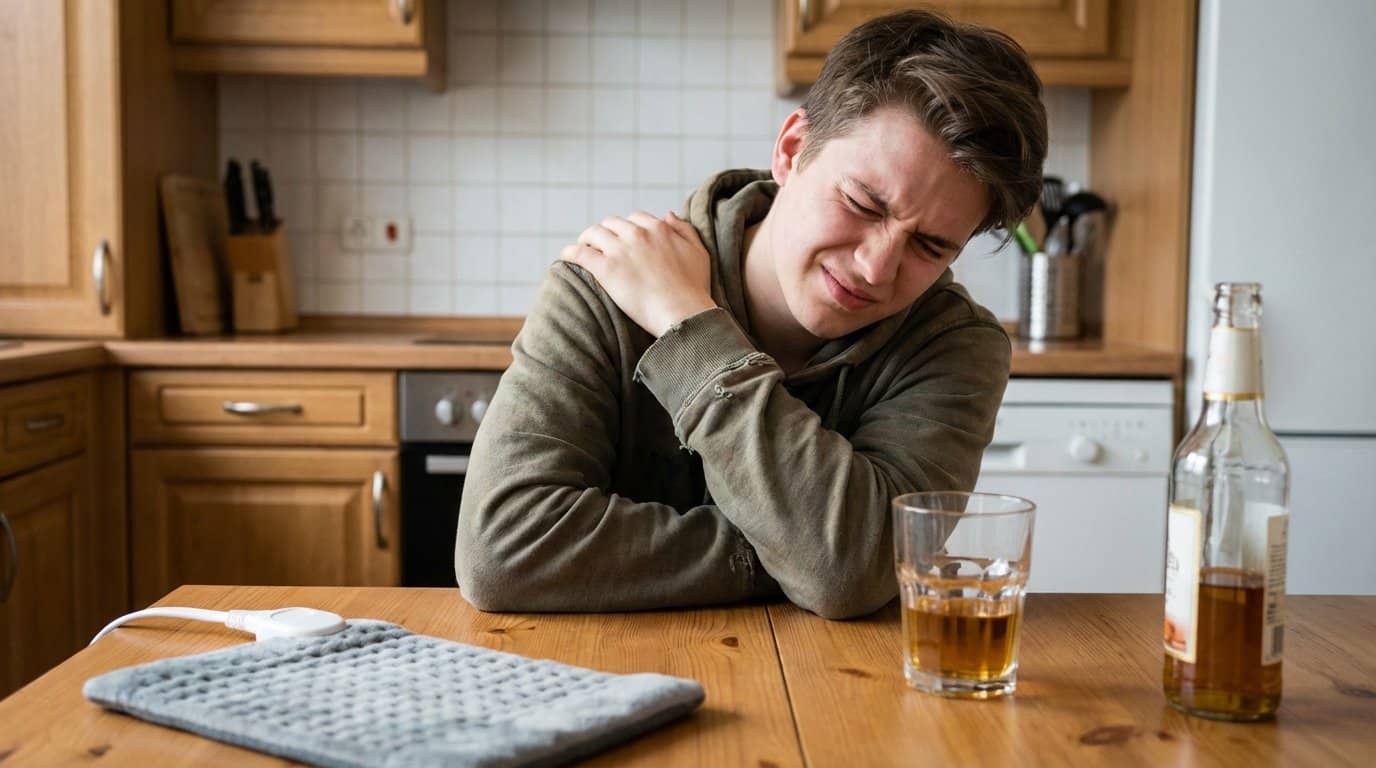
When you consume alcohol, your body initiates several physiological processes that directly impact muscle tissue. The inflammatory response triggers proinflammatory cytokines, creating flu-like aches throughout your skeletal muscles. This alcohol metabolic stress suppresses protein synthesis by 24-38%, considerably reducing your muscle fiber rebuilding capacity.
Your body also experiences disrupted calcium handling, which impairs sarcoplasmic reticulum function and reduces contractile strength. Simultaneously, alcohol elevates cortisol levels, accelerating muscle protein breakdown through the ubiquitin-proteasome pathway.
The diuretic effect depletes critical electrolytes, potassium, magnesium, and zinc, essential for proper muscle function. This depletion contributes to cramps, weakness, and fatigue. Additionally, B-vitamin loss compromises your skeletal muscle energy metabolism. These combined mechanisms explain why you’ll feel sore even without physical activity preceding consumption. Alcohol also disrupts restorative REM sleep, which is essential for tissue repair and muscle recovery. If persistent muscle soreness and alcohol use are affecting your quality of life, expertly trained specialists at substance-use-disorder treatment centers can help you address the root cause and get your health back on track.
How Dehydration Causes Body Soreness After Drinking
Because alcohol suppresses antidiuretic hormone (ADH), your kidneys excrete up to four times the volume of fluid you’ve consumed, rapidly depleting water from muscles, joints, and connective tissues. This electrolyte-imbalance-from-dehydration triggers losses of sodium, potassium, and magnesium, intensifying dehydration muscle pain and fatigue.
| Dehydration Effect | Physical Impact |
|---|---|
| Muscle-fluid-depletion-effects | Cramping, impaired recovery |
| Joint-specific-dehydration-impacts | Reduced synovial lubrication |
| Electrolyte loss | Leg fatigue, muscle aches |
| Reduced plasma volume | Decreased oxygen delivery |
| Nutrient deprivation | Weakness, tenderness |
Your cartilage depends on diffusion for nutrients, making joints particularly vulnerable to fluid loss. Vasodilation compounds the problem by increasing sweating. Additionally, alcohol irritates the digestive system, causing further fluid loss through vomiting and diarrhea. This dehydration can also contribute to acute and chronic inflammation throughout the body, further amplifying muscle and joint discomfort. Evidence suggests rehydrating with water and electrolytes upon cessation typically reverses these deficiencies. Consult a healthcare provider if soreness persists.
The Electrolyte Crash Behind Cramps and Weakness

Although dehydration initiates fluid loss, the concurrent depletion of essential electrolytes, sodium, potassium, and magnesium, drives much of the cramping and weakness you experience after drinking. Alcohol inhibits vasopressin release, triggering excessive urination that flushes these critical minerals from your system. This electrolyte imbalance disrupts normal muscle and nerve function.
Potassium depletion proves particularly problematic, causing hypokalemia that manifests as fatigue, lethargy, and muscle dysfunction. Studies show that nearly 50% of patients with chronic alcohol consumption disorder develop hypokalemia. Your kidneys can’t retain sodium properly under alcohol’s diuretic influence, compounding the imbalance.
Magnesium depletion occurs through increased urinary excretion and reduced gastrointestinal absorption. Low magnesium impairs muscle relaxation, contributing to cramps and weakness. Vomiting and diarrhea during hangovers accelerate these losses further. These severe electrolyte imbalances can also cause irregular heartbeat, confusion, and disorientation.
You should consider electrolyte-rich fluids or supplements after drinking to help restore balance and reduce musculoskeletal symptoms.
Why Drinking Triggers Inflammation and Stiffness
When your liver breaks down alcohol, it produces acetaldehyde, a toxic byproduct that directly irritates muscle tissue and contributes to that widespread achiness you feel the morning after. This metabolic process also triggers your immune system to release inflammatory cytokines like TNF-α and IL-6, which amplify pain signaling and cause stiffness throughout your body. Your immune response fundamentally treats alcohol’s byproducts as a threat, activating inflammatory pathways that leave your muscles feeling tender and inflamed. Heavy alcohol consumption also increases gut permeability, allowing bacterial toxins like lipopolysaccharide to leak into your bloodstream and further fuel systemic inflammation. Higher amounts of alcohol in your system lead to elevated levels of C-reactive protein, a key marker that indicates your body is experiencing chronic inflammation.
Acetaldehyde Causes Muscle Achiness
Acetaldehyde, a toxic metabolite produced when your liver breaks down alcohol, plays a central role in the muscle achiness you experience after drinking. This compound triggers oxidative stress, generating reactive oxygen species that damage muscle fibers at the cellular level. Acetaldehyde also participates in lipid peroxidation reactions that are highly toxic and contribute to tissue damage throughout the body.
Research indicates acetaldehyde disrupts several critical muscle functions:
- Calcium handling impairment, reduces contractile strength by disrupting sarcoplasmic reticulum function
- Mitochondrial dysfunction, causes swelling, cristae disruption, and depleted ATP production
- Protein synthesis suppression, inhibits muscle repair and activates protein breakdown pathways
- ROS accumulation, triggers structural damage to muscle fibers through oxidative mechanisms
These combined effects explain why your muscles feel weak and achy even without physical exertion. Alcohol also suppresses human growth hormone production, which further delays the body’s ability to repair damaged muscle tissue. Fast-twitch fibers appear particularly vulnerable to calcium dysregulation, potentially intensifying soreness in larger muscle groups.
Inflammatory Cytokines Increase
Beyond acetaldehyde’s direct tissue damage, alcohol consumption triggers a broader inflammatory cascade through cytokine signaling that amplifies your body’s soreness and stiffness. When you drink, your body elevates pro-inflammatory cytokines, particularly TNF-α and IL-6, in your plasma, liver, and brain tissue.
Simultaneously, alcohol suppresses protective anti-inflammatory cytokines like IL-10, leaving TNF-α and IL-6 production unchecked. This imbalance activates NF-κB pathways through reactive oxygen species generated during alcohol metabolism, perpetuating inflammatory gene expression. Alcohol-induced oxidative stress also increases gut permeability, allowing bacterial endotoxins to leak into circulation and further amplify the inflammatory response.
Your monocytes and macrophages respond dysfunctionally, infiltrating tissues and driving inflammation-mediated injury. The cytokine surge upregulates cell adhesion molecules and compromises blood-brain barrier integrity, contributing to widespread achiness. Research shows that cytokine profiling can distinguish alcoholic patients from non-alcoholic patients with liver disease, highlighting how significantly alcohol alters your inflammatory markers.
If you’re experiencing significant post-drinking soreness, consider that your inflammatory response may be heightened. Moderating consumption can help reduce this cytokine-driven discomfort. If you’re experiencing significant post-drinking soreness, consider that your inflammatory response may be heightened, which directly contributes to muscle and joint pain after drinking alcohol. Moderating consumption can help reduce this cytokine-driven discomfort and support faster recovery.
Immune System Response Activated
Although cytokine imbalances drive much of your post-drinking inflammation, your immune system’s broader activation compounds the discomfort through multiple interconnected pathways.
Your liver converts ethanol into acetaldehyde, a toxic compound that binds to proteins and DNA. This acetaldehyde toxicity triggers cellular damage, prompting inflammatory immune responses. Simultaneously, alcohol metabolism generates reactive oxygen species, and this oxidative stress from ROS damages tissues across multiple organs.
Key immune disruptions include:
- Weakened macrophages and neutrophils that regulate inflammation poorly
- Gut barrier breakdown allowing endotoxins into your bloodstream
- Elevated C-reactive protein levels correlating with alcohol intake
- Impaired immune defense lasting up to 24 hours after heavy drinking
These mechanisms explain why you experience widespread stiffness and soreness even without physical activity preceding your drinking. Alcohol also disrupts the endocrine system, affecting hormone levels and signaling pathways that further amplify your body’s inflammatory response. When left unchecked, this chronic inflammation becomes a contributing factor in serious diseases including cardiovascular disease, cancer, and diabetes.
Lactic Acid, Cortisol, and Why Hangovers Hurt
When your liver metabolizes alcohol, it generates excess NADH, which shifts your body’s metabolic balance toward lactic acid production. This accumulation leads to metabolic acidosis, dropping your blood pH below 7.36 and causing widespread muscle discomfort. Research into these mechanisms remains limited due to the minimal scientific research published on hangovers and the recent introduction of standardized measurement scales.
Simultaneously, alcohol triggers adrenocorticotropic hormone release, elevating cortisol levels and disrupting your circadian rhythm. This hormonal dysregulation amplifies stress responses and contributes to body aches. These physical discomforts can lead to a cycle of poor sleep and fatigue, worsening the overall feeling of malaise. As a result, many individuals report experiencing body aches after drinking, which can further impact their motivation to engage in physical activity. It’s essential to understand these effects to make informed choices about alcohol consumption.
| Factor | Mechanism | Effect |
|---|---|---|
| Lactic Acid | Impaired clearance during alcohol metabolism | Muscle cramps and soreness |
| Cortisol | ACTH stimulation and circadian disruption | Heightened stress response |
| Metabolic Acidosis | Reduced blood pH from lactate buildup | General discomfort and inflammation |
Understanding these interconnected pathways explains why hangover pain persists even without physical exertion.
How to Relieve Sore Muscles After Drinking
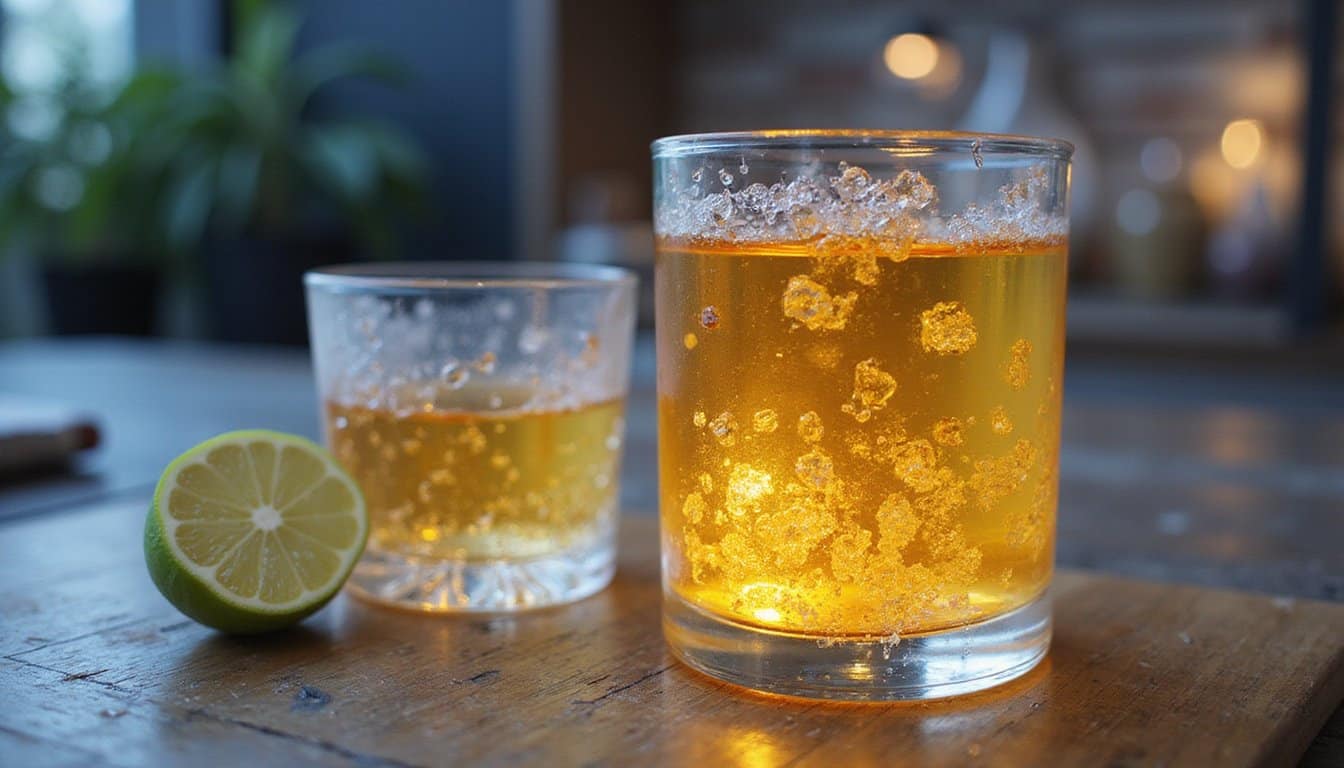
Several evidence-based strategies can help alleviate muscle soreness following alcohol consumption.
Electrolyte restoration addresses depletion caused by alcohol’s diuretic effects. You should consume potassium-rich foods, magnesium supplements, and sodium-containing broths to restore balance and reduce cramping.
Anti-inflammatory measures target the immune response triggered by alcohol metabolism:
- Apply ice packs to affected areas during initial inflammation
- Use gentle heat therapy once acute swelling subsides
- Consider NSAIDs for significant discomfort
- Incorporate anti-inflammatory foods like cherries or turmeric
Muscle recovery support requires adequate protein intake to repair tissue disrupted by suppressed growth hormone during alcohol-impaired sleep. Light stretching and foam rolling improve circulation and reduce stiffness.
You should prioritize hydration, aiming for 16-32 ounces of water per alcoholic beverage consumed. Persistent symptoms warrant medical evaluation.
Warning Signs Your Muscle Pain Needs Medical Attention
While home remedies effectively address most alcohol-related muscle soreness, certain symptoms indicate underlying conditions that require professional medical evaluation.
Seek emergency care if you experience trouble breathing, dizziness, or extreme muscle weakness preventing daily activities. A high fever accompanied by stiff neck or widespread muscle pain warrants immediate attention, as these symptoms may indicate serious infection.
Contact your healthcare provider if you notice redness, swelling, or warmth around sore muscles. Pain lasting beyond 72 hours without improvement, or soreness persisting over one week despite rest and over-the-counter medication, requires evaluation.
If muscle pain develops after starting new medication, particularly statins, consult your prescriber promptly. Additionally, numbness, significant swelling, or inability to move affected limbs fully signals potential complications requiring clinical assessment.
Acute vs. Chronic Myopathy: When Drinking Damages Muscles Long-Term
Alcohol-related myopathy occurs in two distinct clinical forms that differ considerably in onset, severity, and recovery timeline.
Acute myopathy develops suddenly after binge drinking, triggering rapid myonecrosis and rhabdomyolysis. Your alcohol inflammation response causes painful swelling, with serum creatine kinase peaking within three days. This form typically resolves in one to two weeks with abstinence.
Chronic myopathy evolves gradually from prolonged heavy consumption, causing progressive type-IIB fiber atrophy. Nerve sensitivity alcohol effects compound systemic pain alcohol symptoms over time.
Key distinctions include:
- Acute involves rapid enzyme spikes; chronic shows gradual atrophy
- Hangover soreness causes differ from true myopathic damage
- Acute resolves quickly; chronic requires months of recovery
- Chronic myopathy correlates with lifetime consumption exceeding five years
Seek evaluation if muscle weakness persists beyond typical recovery periods.
Frequently Asked Questions
Can Certain Types of Alcohol Cause More Body Soreness Than Others?
Yes, certain alcohols may worsen your soreness. Darker liquors like whiskey and bourbon contain higher congener levels, which can intensify inflammation and hangover-related discomfort. You’ll likely experience fewer inflammatory effects with clear spirits like vodka or gin due to their lower congener and sugar content. However, research confirms that ethanol content and total volume consumed remain the primary factors affecting muscle soreness, not beverage type. You should prioritize limiting overall intake rather than switching alcohol types.
Does Mixing Alcohol With Caffeine Make Muscle Soreness Worse?
Research hasn’t directly studied how mixing alcohol with caffeine affects muscle soreness. However, you’ll likely experience compounded effects. Caffeine’s diuretic properties can worsen alcohol-induced dehydration, potentially intensifying soreness. Both substances disrupt your sleep quality, impairing muscle repair processes. While caffeine temporarily blocks pain signals through adenosine receptor antagonism, chronic intake may trigger central pain sensitization. You should approach this combination cautiously, as the interaction creates unpredictable recovery outcomes.
Why Do Some People Experience Soreness After Drinking While Others Don’t?
Your genetic makeup plays a significant role in post-alcohol soreness variability. Variations in ALDH2 and ADH enzymes determine how efficiently you metabolize alcohol and clear toxic acetaldehyde. Additionally, polymorphisms in cytokine genes affect your inflammatory response intensity. Your baseline nutritional status, hydration levels, muscle fiber composition, and sleep sensitivity to alcohol also contribute. Those with efficient metabolism, adequate micronutrients, and lower inflammation sensitivity typically experience fewer symptoms than individuals lacking these protective factors.
Can Taking Vitamins Before Drinking Prevent Next-Day Muscle Aches?
Current evidence doesn’t strongly support vitamin supplements for preventing hangover-related muscle aches. While vitamin B6 (pyritinol) has shown some benefit in reducing overall hangover symptoms, studies on B-complex and vitamin C haven’t demonstrated significant effects on alcohol metabolism or recovery. You’ll find more promising data for dietary nicotinic acid and zinc, which correlate with less severe hangovers. However, you shouldn’t rely on supplements as a reliable preventive measure against post-drinking soreness.
Does Body Weight or Gender Affect How Sore You Feel After Drinking?
Research shows body weight and BMI don’t markedly affect hangover severity or frequency when alcohol dosing accounts for weight differences. However, gender does play a role, you’ll likely experience hangovers at lower alcohol consumption levels if you’re female, while men tend to report higher individual symptom severity. These patterns persist after controlling for confounders, though individual susceptibility varies considerably regardless of demographic factors.