

Your body aches after drinking because alcohol’s toxic byproduct, acetaldehyde, triggers systemic inflammation while simultaneously depleting electrolytes through its diuretic effect. This combination disrupts normal muscle function, causes lactic acid buildup, and sensitizes pain receptors throughout your body. Symptoms range from mild muscle soreness and joint stiffness to severe cramping and weakness. Understanding the specific mechanisms behind your discomfort can help you identify the most effective relief strategies for your situation. Your body aches after drinking because alcohol’s toxic byproduct, acetaldehyde, triggers systemic inflammation while simultaneously depleting electrolytes through its diuretic effect, which is why targeted relief after drinking strategies matter. This combination disrupts normal muscle function, causes lactic acid buildup, and sensitizes pain receptors throughout your body. Symptoms range from mild muscle soreness and joint stiffness to severe cramping and weakness. Understanding the specific mechanisms behind your discomfort can help you identify the most effective relief strategies for your situation.
Why Does Your Body Ache After Drinking Alcohol?
When you wake up with body aches after drinking, multiple physiological mechanisms are working against you simultaneously. Your liver converts alcohol into acetaldehyde, a toxic compound that sensitizes pain receptors and triggers widespread inflammation. This hangover response involves cytokine release, creating flu-like symptoms throughout your body. Acetaldehyde specifically activates the NF-κB pathway, prompting the release of pro-inflammatory cytokines that intensify discomfort throughout your system.
Binge drinking suppresses vasopressin, causing rapid dehydration and electrolyte imbalance. The resulting potassium and magnesium depletion leads to muscle cramps, weakness, and nerve signaling disruption. Your body prioritizes eliminating toxins over removing lactic acid, compounding muscle soreness. This lactic acid buildup contributes significantly to the muscle aches and soreness you experience the morning after drinking.
Alcohol misuse also reduces human growth hormone secretion by up to 70 percent, severely impairing muscle recovery. This hormonal disruption prevents proper tissue repair during sleep, leaving you with prolonged discomfort that extends well beyond typical hangover symptoms.
Muscle Cramps, Leg Pain, and Other Symptoms to Expect
Although most drinkers experience mild muscle discomfort after heavy alcohol consumption, the spectrum of symptoms ranges from temporary cramping to severe myopathy requiring medical intervention. You may notice achy muscles, aching joints, and muscle fatigue within hours of drinking. Coordination impairment increases injury risk, compounding existing muscle problems.
Approximately 30% of adults report nocturnal leg cramps at least five times monthly, often worsened by alcohol’s lactic acid buildup. Electrolyte loss from vomiting depletes sodium and potassium, triggering spasms and cramping throughout your extremities.
More severe presentations include muscle swelling, dark urine indicating rhabdomyolysis, and significant weakness affecting physical activity. Chronic consumption impairs muscle development through reduced growth hormone secretion. Your immune system responds with inflammation, while nerve damage may cause numbness or tingling. Long-term alcohol abuse interferes with muscle protein synthesis, further contributing to weakness and loss of muscle mass.
How Dehydration Causes Body Aches After Drinking
When you drink alcohol, your body experiences a powerful diuretic effect that inhibits antidiuretic hormone production, causing your kidneys to release substantially more water than normal and depleting 2-3% of your total body water overnight. This rapid fluid loss concentrates toxins in your bloodstream while simultaneously depleting essential electrolytes, sodium, potassium, calcium, and magnesium, that your muscles require for proper contraction and nerve signaling. The resulting electrolyte imbalance disrupts normal muscle function, triggering the fatigue, spasms, and widespread aches you’re experiencing the morning after drinking. Dehydration also reduces lubrication in your joints, leading to increased friction and stiffness that compounds your overall body discomfort. Additionally, alcohol interrupts calcium absorption, which further reduces proper muscle contraction and leads to increased weakness and cramping throughout your body.
Alcohol’s Diuretic Effect
Because alcohol directly suppresses antidiuretic hormone (ADH) release from your pituitary gland, your kidneys receive signals to retain less water, triggering a cascade of fluid loss that ultimately manifests as body aches. This diuresis intensifies with higher alcohol content beverages, as spirits provoke stronger water loss than beer. Your urine output increases extremely while alcohol metabolism lags behind, creating osmotic diuresis that depletes cellular hydration. Studies using hypertonic saline confirm ADH inhibition drives this dehydration response. This fluid loss also causes electrolyte imbalance, which disrupts normal muscle and nerve function throughout your body. The diuretic effect can persist for up to 4 hours after drinking, prolonging your body’s state of fluid depletion.
Key factors affecting your fluid loss:
- Spirits cause severe diuresis; beer produces minimal effect
- Drinks exceeding 4% alcohol vastly suppress ADH
- Your body weight and consumption speed influence severity
- Aging increases your dehydration vulnerability
- Unreplaced fluid loss directly triggers muscle aches and fatigue
Rehydrating with water remains essential for alleviating dehydration-related discomfort.
Electrolyte Loss Impact
Alcohol’s diuretic effects don’t just drain water from your system, they strip away sodium, potassium, magnesium, and calcium that your muscles and nerves require for proper function. This electrolyte depletion directly triggers muscle cramps, muscle weakness, and persistent aches without physical exertion. When dehydration accelerates mineral deficiency, your muscles can’t contract properly, resulting in muscle function impairment.
Electrolyte imbalance also amplifies inflammation throughout your body. Depleted magnesium worsens inflammatory responses in muscles and joints, intensifying soreness. Research indicates losing 2-3% of total body water overnight dramatically compounds these deficits. Additionally, alcohol interferes with nutrient absorption, which can further deplete the minerals your muscles need to function without pain. When your body prioritizes metabolizing alcohol over removing lactic acid buildup, muscle cramps become even more pronounced.
Electrolyte restoration requires strategic hydration. Consume 8-12 ounces of an electrolyte drink upon waking, then 4-6 ounces hourly. Oral rehydration solutions containing glucose enhance mineral absorption more effectively than plain water alone.
Why Inflammation Makes the Soreness Worse
The liver’s breakdown of alcohol produces acetaldehyde, a toxic byproduct that triggers your immune system into action and drives much of the inflammation behind post-drinking soreness. This toxic compound releases cytokines like IL-6 and MCP-1, which circulate through your bloodstream and sensitize pain receptors throughout your body. Simultaneously, oxidative stress damages muscle tissues while gut barrier disruption allows bacterial endotoxins to enter circulation, amplifying immune activation. For those with existing joint conditions, alcohol can exacerbate existing inflammation and make it harder for the body to metabolize anti-inflammatory medications effectively. Additionally, alcohol causes uric acid spikes that can trigger gout, resulting in sharp, intense joint pain that compounds the inflammatory response.
How inflammation intensifies your pain:
- Cytokines create arthritis-like pain by inflaming joints and limiting mobility
- Congeners in dark liquors metabolize into compounds that worsen muscle aches
- Electrolyte depletion disrupts nerve signaling and muscle function
- Acute myopathy causes tenderness, weakness, and swelling in affected muscles
- Oxidative damage impairs your body’s ability to repair tissue efficiently
How to Relieve Body Aches After Drinking Fast
Understanding inflammation’s role in post-drinking soreness points directly toward effective intervention strategies that target these underlying mechanisms. Rehydrating remains your primary defense, start by sipping water immediately upon waking, targeting 16-20 ounces to combat alcohol’s diuretic effects.
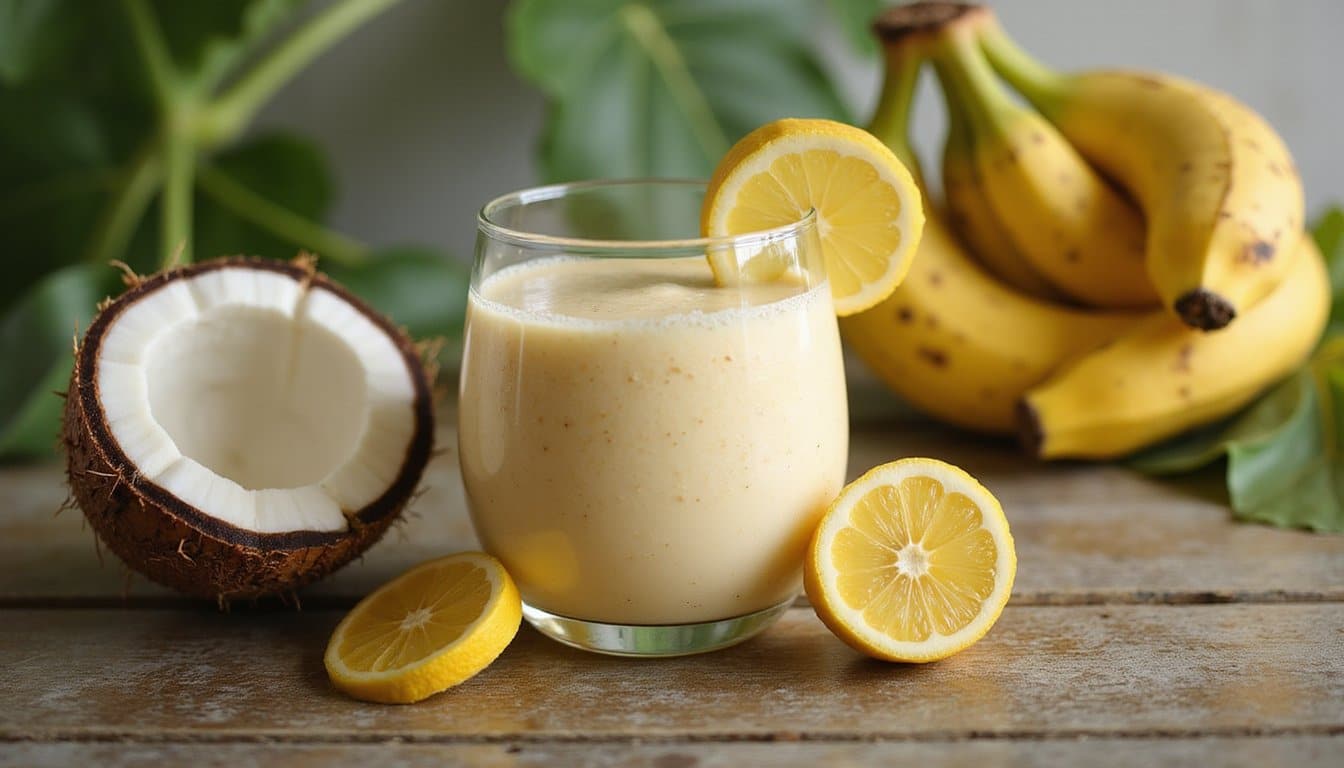
Sipping electrolyte beverage solutions containing sodium, potassium, and magnesium accelerates recovery beyond plain water alone. Coconut water’s isotonic concentration matches your blood’s composition, enhancing remedies effectiveness for muscle restoration. Eating potassium-rich foods like bananas can further help alleviate muscle aches and support your body’s recovery process.
While no proven cure exists for hangovers, you can stop pain and prevent soreness through strategic intervention. Light movement for 20 minutes improves circulation without straining recovering muscles. Warm baths reduce stiffness substantially. Prioritizing quality sleep allows your body to complete normal overnight muscle repair processes that alcohol disrupts.
For pain prevention, avoid NSAIDs on an empty stomach. Your chances of soreness decrease markedly when combining proper hydration, electrolyte restoration, and rest in a quiet environment.
How to Prevent Body Aches Before Your Next Drink
You can reduce your risk of post-drinking body aches by making strategic choices before you start consuming alcohol. Opting for clear spirits like vodka over darker liquors such as whiskey minimizes your exposure to congeners, toxic byproducts that intensify inflammation and muscle soreness. Pair this with aggressive hydration by drinking a full glass of water before your first drink and alternating water with each alcoholic beverage to counteract alcohol’s diuretic effects. Eating a nutrient-rich meal before or while drinking can help stabilize blood sugar levels and reduce fatigue and weakness the next day.
Choose Clear Spirits Wisely
Everyone who’s experienced post-drinking body aches should consider how their choice of alcohol directly impacts next-day pain severity. Clear spirits like vodka and gin contain fewer congeners, compounds that trigger inflammation and intensify hangover symptoms. Premium brands undergo multiple distillation processes, removing toxins and impurities that contribute to muscle pain and dehydration.
Evidence-based strategies for reducing alcohol-related aches:
- Select vodka or gin over dark liquors to reduce congener exposure by up to 50%
- Choose quality brands with superior alcohol purity and filtration standards
- Practice allergen avoidance by selecting potato or corn-based spirits if gluten-sensitive
- Maintain moderation by limiting intake to 1-2 units maximum
- Mix with soda water instead of sugary juices that amplify dehydration
Hydrate Before and After
Three strategic hydration windows, before, during, and after drinking, determine whether you’ll wake up with debilitating muscle pain or minimal discomfort. Pre-hydration requires consuming 16-32 ounces of water one to two hours before drinking to establish baseline fluid levels that counter alcohol’s diuretic effects on electrolyte balance.
During consumption, alternate each alcoholic beverage with equal volumes of water. Sports drinks provide simultaneous electrolyte replenishment, helping prevent muscle cramps before they develop.
Post-drinking rehydration demands 16-20 ounces of water per alcoholic drink consumed. Dehydration disrupts sodium, potassium, and magnesium levels essential for muscle recovery, so electrolyte-rich fluids accelerate restoration. Continue aggressive water intake for 24 hours afterward to reverse muscle soreness. Avoid caffeine, which compounds fluid loss. With proper rehydration protocols, acute dehydration-related aches typically resolve within one to two days.
When Hangover Body Aches Signal Something Serious
Most hangover body aches resolve within 24 hours, but certain warning signs indicate your symptoms have crossed into dangerous territory. Heavy drinking can trigger increased inflammation and body soreness that mimics typical hangover symptoms while masking serious conditions like alcoholic myopathy.
Watch for these red flags requiring immediate medical attention:
- Dark reddish-brown urine signals rhabdomyolysis and potential kidney failure
- Intense muscle swelling and weakness lasting beyond 48 hours indicates acute myopathy
- Persistent malaise with fast heartbeat and shakiness suggests severe dehydration complications
- Unexplained bruising points to elevated injury risk and impaired muscle functioning
- Slowed recovery despite rehydration within 4-6 hours warrants emergency evaluation
Sickness accompanied by prolonged body aches isn’t something you should dismiss as routine discomfort.
Frequently Asked Questions
Why Do My Old Injuries Hurt More After a Night of Drinking?
Your old injuries hurt more after drinking because alcohol triggers widespread inflammation throughout your body, releasing pro-inflammatory cytokines that heighten pain in previously damaged tissues. It also causes hyperalgesia, increased sensitivity to pain stimuli, by upregulating nociceptor ion channels. Additionally, alcohol impairs your body’s healing mechanisms, builds lactic acid, and disrupts sleep patterns essential for tissue recovery. These combined effects reactivate and amplify discomfort in areas where you’ve sustained prior injuries.
Does the Type of Alcohol Affect How Sore My Muscles Feel?
The type of alcohol you drink has minimal direct impact on muscle soreness, ethanol content and total volume matter most. However, darker liquors like whiskey and bourbon contain more congeners, which can intensify inflammation and worsen overall hangover symptoms. Clear spirits such as vodka or gin contain fewer congeners and less sugar, potentially reducing inflammatory response. Ultimately, limiting your total alcohol intake provides greater benefit than switching beverage types.
Can Drinking Alcohol Affect My Workout Recovery and Muscle Growth?
Yes, alcohol profoundly impairs your workout recovery and muscle growth. Consuming alcohol post-exercise reduces muscle protein synthesis by up to 37%, even when you’re eating adequate protein. It suppresses mTOR pathway activation, decreases testosterone levels, and elevates cortisol, creating a catabolic environment. Your human growth hormone secretion can drop by 70%, directly slowing muscle repair. While physical performance typically returns within two days, consistent drinking severely compromises long-term muscular adaptations.
Why Do My Legs Feel Restless or Numb After Drinking Alcohol?
Alcohol’s direct neurotoxic effects damage your peripheral nerve protective sheath, causing numbness and restless sensations in your legs. You’re experiencing paresthesia, that “pins-and-needles” or “wearing socks” feeling, from disrupted nerve signals. Chronic heavy drinking depletes thiamine, accelerating nerve damage. Up to 66% of individuals with alcohol use disorder develop this neuropathy. Symptoms typically begin in your lower limbs and progress symmetrically. Abstaining from alcohol halts progression, while nutritional supplementation supports nerve recovery.
How Long Do Body Aches Typically Last After Heavy Drinking?
Body aches typically last 18 to 24 hours after heavy drinking, with most symptoms resolving within 24 hours without medical intervention. Your pain intensity diminishes progressively as your body metabolizes alcohol byproducts. Several factors affect your recovery timeline, including consumption volume, hydration status, and sleep duration. If you sleep longer than 7 hours, you’ll likely experience reduced symptom severity. Extended hangovers beyond 24 hours occur but remain less common.